

Using a cream charger can be a convenient and efficient way to whip cream in seconds, but occasionally, things don’t go as planned. One common issue people experience is their cream whipper releasing an excessive amount of gas—often with little to no cream coming out. If you’ve ever found yourself puzzled by this, you’re not alone. Here’s a breakdown of the most common reasons behind this issue and how you can prevent it.
Problems Encountered and Solutions
Too Little Cream in the Canister
One of the most frequent causes of excessive gas release is simply not having enough liquid in the whipper. Whipped cream chargers work by injecting nitrous oxide into the cream. If there’s not enough cream inside, the gas won’t have anything to dissolve into—it’ll just escape when you pull the trigger.
Solution:
Always make sure your canister is filled with the recommended amount of cream, typically between 50–70% of its total volume. Underfilling can lead to waste and poor results.
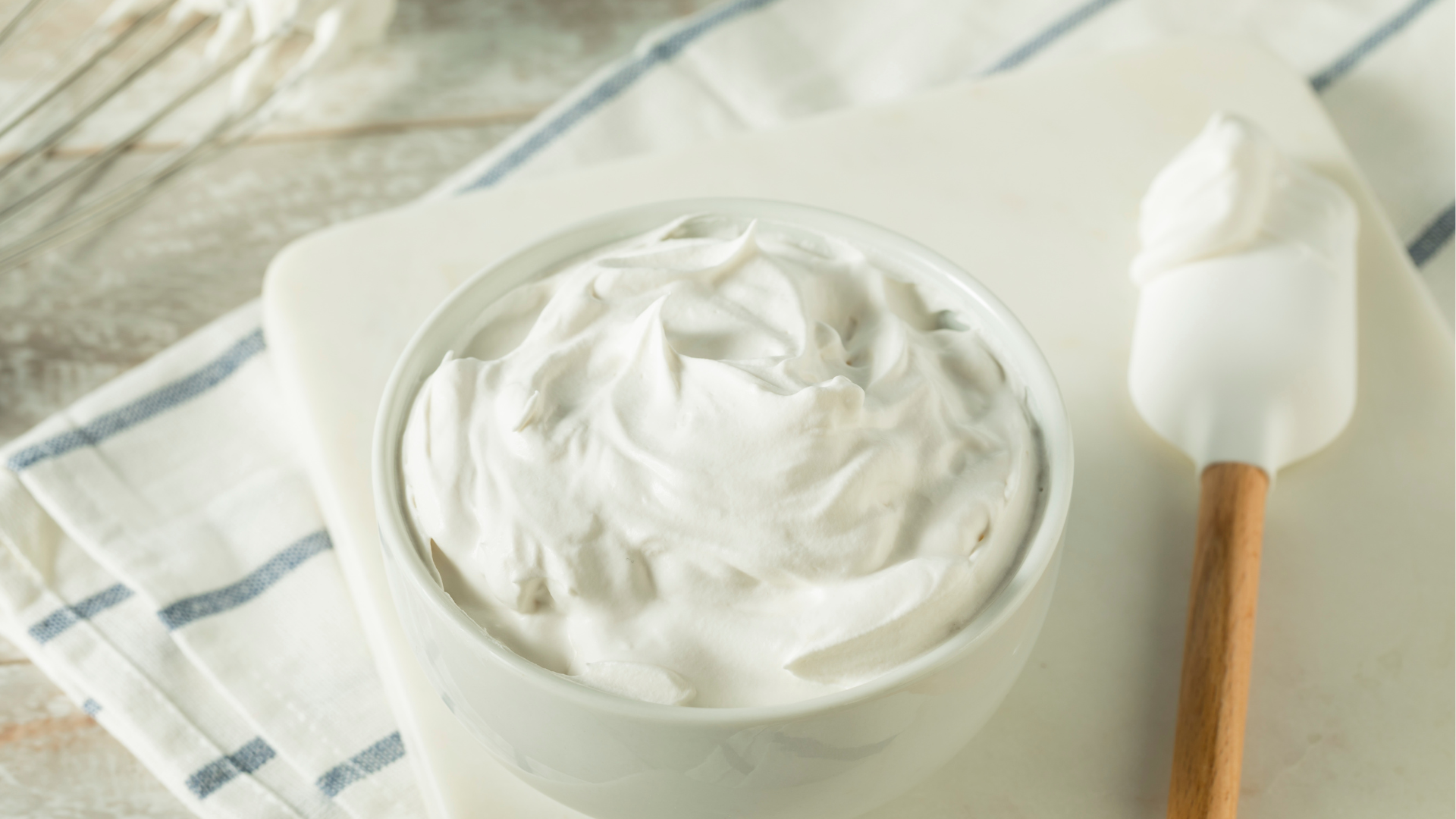
Cream Temperature Is Too High or Has Separated
If your cream is warm or has started to separate (especially if you’re using a mixture with other ingredients), it may not absorb the gas properly. This can result in either a weak foam or just gas escaping from the nozzle.
Solution:
Use well-chilled cream—ideally around 4°C (39°F). Keep both the cream and the dispenser in the fridge before use. Cold cream holds gas better and creates a more stable foam.
You Didn’t Shake the Canister Enough
After charging the canister with gas, it’s essential to shake it vigorously. This ensures the gas mixes evenly with the cream to create that perfect texture.
Solution:
Shake the dispenser forcefully for about 25-30 seconds immediately after inserting the charger. This step is crucial—if you skip it, you’re likely to end up with gas escaping and inconsistent results.
Incompatible or Poor-Quality Equipment
Sometimes the issue lies with the tools themselves. Using cheap or mismatched whipped cream chargers and dispensers can lead to poor sealing, leakage, or faulty gas release.
Solution:
Stick with trusted brands and make sure your chargers are compatible with your dispenser. Check that all rubber seals are intact and not worn out or misaligned.
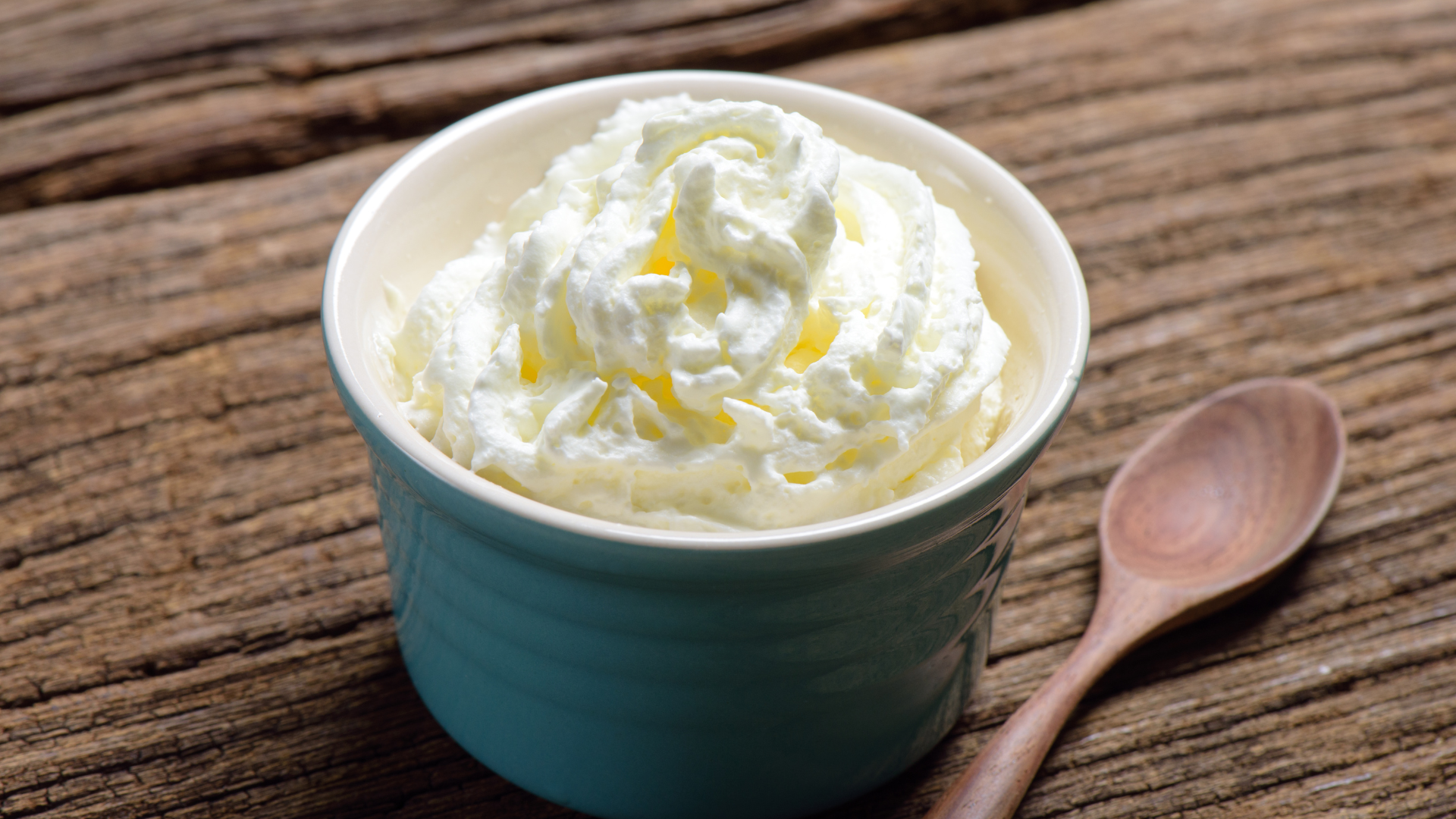
Overcharging the Canister
Using multiple chargers in quick succession without dispensing or shaking in between can cause too much pressure to build up. This may result in an abrupt release of gas or even damage to the equipment.
Solution:
Only use one charger at a time, and always shake the dispenser thoroughly before inserting another one. Overcharging doesn’t lead to better foam—it just increases the risk of malfunction.
Final Safety Tips
Never aim the nozzle toward your face or others when dispensing.
If you hear a constant hissing or leaking sound, stop and inspect the canister for leaks.
Release pressure slowly after use to avoid sudden bursts.
Understanding how your cream whipper works—and how to avoid these common mistakes—can make a big difference in your kitchen results. With a few simple adjustments, you’ll be creating smooth, fluffy whipped cream in no time.
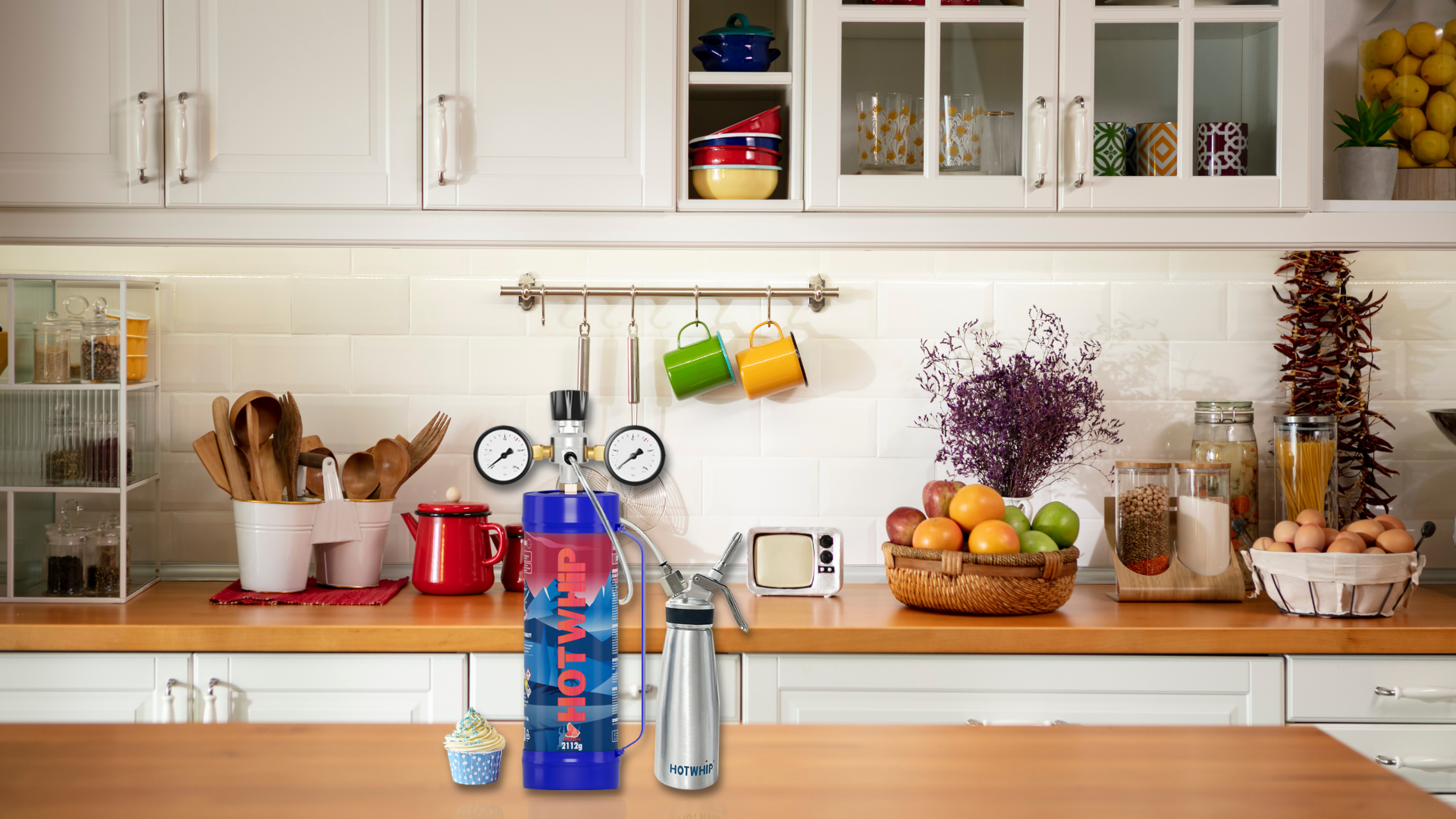
Best Practices for Perfect Whipped Cream
Use Heavy Cream with at Least 30–36% Fat
The fat content in cream is crucial. A cream with too little fat (like half-and-half or light cream) simply won’t whip properly, no matter how much gas you use.
Tip: Check the label—look for terms like “heavy cream” or “whipping cream” with a fat content of 30% or more. Avoid ultra-low-fat or plant-based alternatives unless specifically designed for whipping.
Strain Your Cream Before Filling
Clumps in the cream—whether from thick additives or separation—can clog the nozzle and ruin the flow.
Use a fine mesh strainer to pour the cream into the dispenser.
Avoid ingredients that curdle or separate (like citrus juice or unblended cocoa powder).
Add Sweeteners and Flavorings Correctly
You can flavor your whipped cream directly inside the canister, but do it carefully:
Powdered sugar dissolves better than granulated sugar.
Use flavor extracts (like vanilla, almond, or hazelnut) sparingly—too much liquid can affect texture.
For chocolate or fruit flavors, ensure everything is fully blended and smooth.
Avoid using chunks, seeds, or zest that could clog the nozzle.
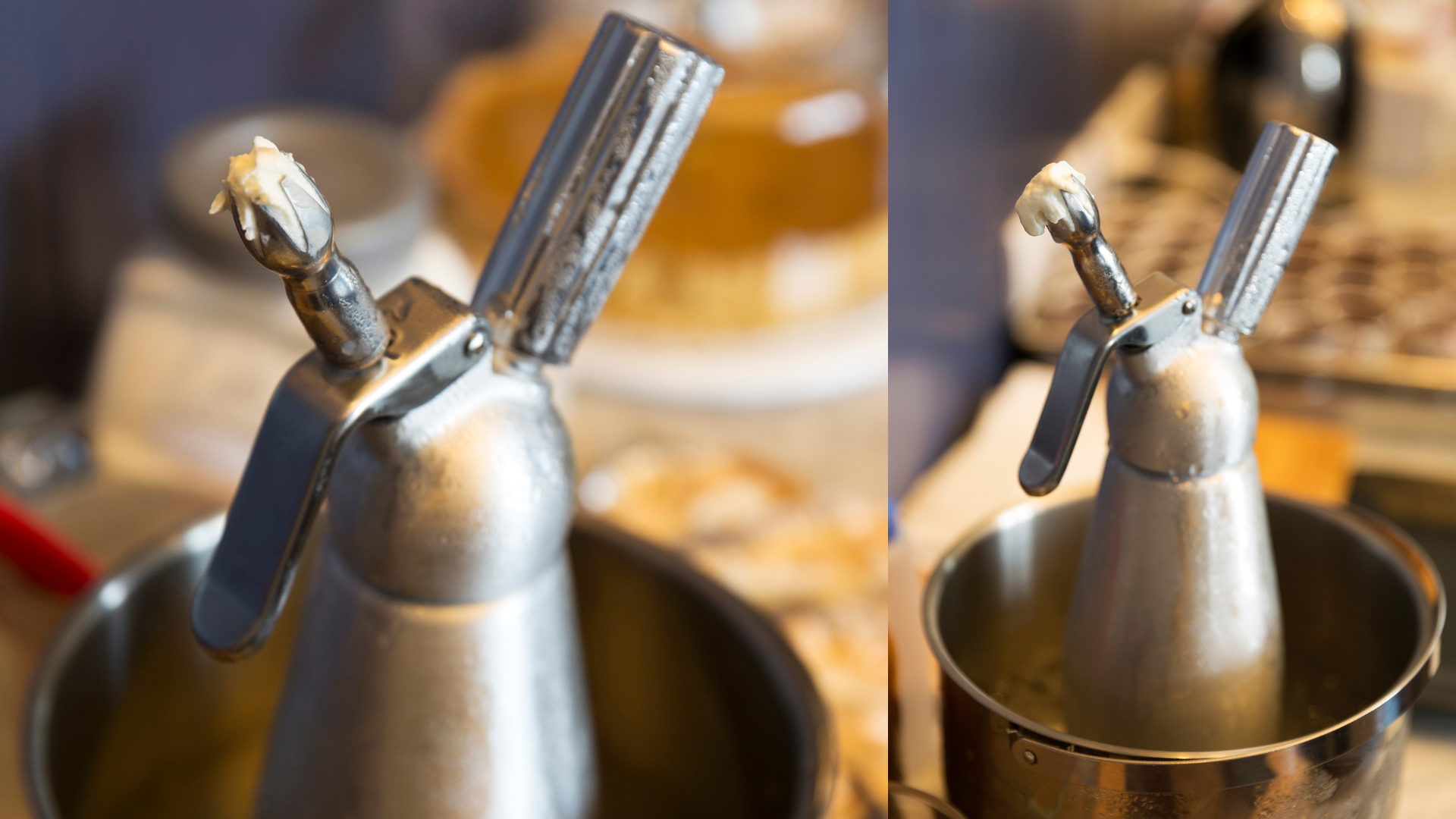
Use the Right Nozzle for the Job
Most cream whippers come with a few interchangeable nozzles (e.g., straight, star-shaped). The nozzle you choose affects not only the look, but also the speed and flow of the cream.
Star nozzle: best for cakes, pies, and decorative piping.
Straight nozzle: ideal for drinks and layered desserts.
Tulip or specialty nozzles: great for creative plating.
Serve Immediately for Best Results
Freshly dispensed whipped cream holds its shape and texture best when served right away. While it can be stored in the fridge for later use, the pressure may gradually weaken, and the texture may become runny over time.
If you're prepping ahead, keep the canister in the fridge and shake again before serving.
Clean After Every Use
Leftover cream or sweeteners inside the dispenser can harden and cause buildup, affecting performance and hygiene.
Disassemble the head, remove the nozzle and gasket, and wash all parts thoroughly.
Use the included cleaning brush for the narrow nozzle tip.
Let all parts dry completely before storing.
By following these best practices, you can transform your cream whipper from a novelty gadget into a reliable kitchen tool—perfect for everything from elegant desserts to casual coffees. Whether you're serving guests or treating yourself, mastering the basics of whipped cream goes a long way.


.png?w=800&h=800)