
Just this week, Illinois public health authorities issued an alert after a deli product was found to be contaminated with Listeria, leaving three people sick. This news is a stark reminder that harmful bacteria can hide even in everyday refrigerated foods, including cream and deli items we often take for granted. If you’ve ever wondered whether the cream in your fridge could be risky, here’s what you need to know to stay safe.
If you’ve ever wondered whether the cream in your fridge could be hiding something harmful, the short answer is: yes, it’s possible—but with the right precautions, the risk is very low. Listeria is a bacteria that can contaminate certain foods, especially those stored in the refrigerator, but understanding where it hides and how to handle food safely can protect you and your family. Here’s what you need to know.
Read More:Public health alert issued for deli item sold in Illinois due to listeria; 3 sickened
What is Listeria?
Listeria monocytogenes is a type of bacteria that can cause a serious infection called listeriosis. Unlike some bacteria that thrive only at room temperature, Listeria can grow in cold environments—yes, even in your fridge. While healthy adults may experience mild flu-like symptoms, it can be particularly dangerous for pregnant women, newborns, older adults, and people with weakened immune systems.

What Happens if You Get Listeria Infection?
Symptoms of listeriosis usually appear within a few days to a few weeks after eating contaminated food. Common signs include fever, muscle aches, nausea, and diarrhea. In severe cases, it can spread to the nervous system, causing headaches, stiff neck, confusion, or loss of balance. For pregnant women, infection may result in miscarriage, stillbirth, or infection of the newborn. Because of these serious risks, it’s important to be mindful of foods that could carry Listeria.
Foods That Can Harbor Listeria
Certain refrigerated foods are more likely to be contaminated:
Soft cheeses – Especially those made from unpasteurized milk, like brie or camembert.
Deli meats – Pre-packaged or sliced at the counter, they can be contaminated during processing.
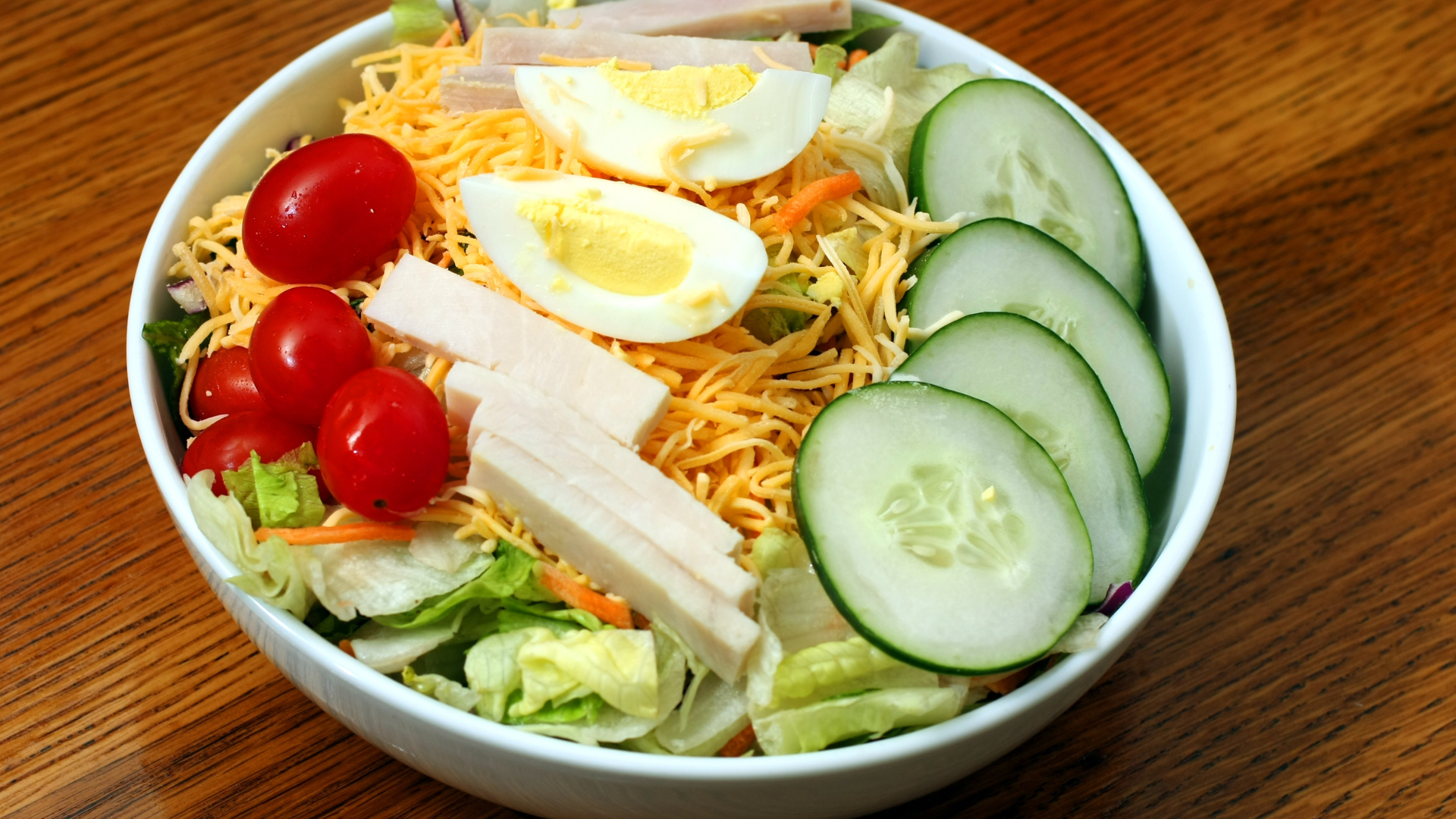
Ready-to-eat salads – Items like coleslaw or potato salad stored in the fridge can harbor bacteria.
Refrigerated cream – Heavy cream or whipped cream stored for a long time may also be at risk if not handled properly.
Listeria is sneaky because it doesn’t always change the taste, smell, or appearance of food, so careful handling is key.
Can You Get Listeria When Whipping Cream?
Manual whipping – Using a whisk or hand mixer can introduce bacteria from the air or utensils, especially if your workspace isn’t perfectly clean.
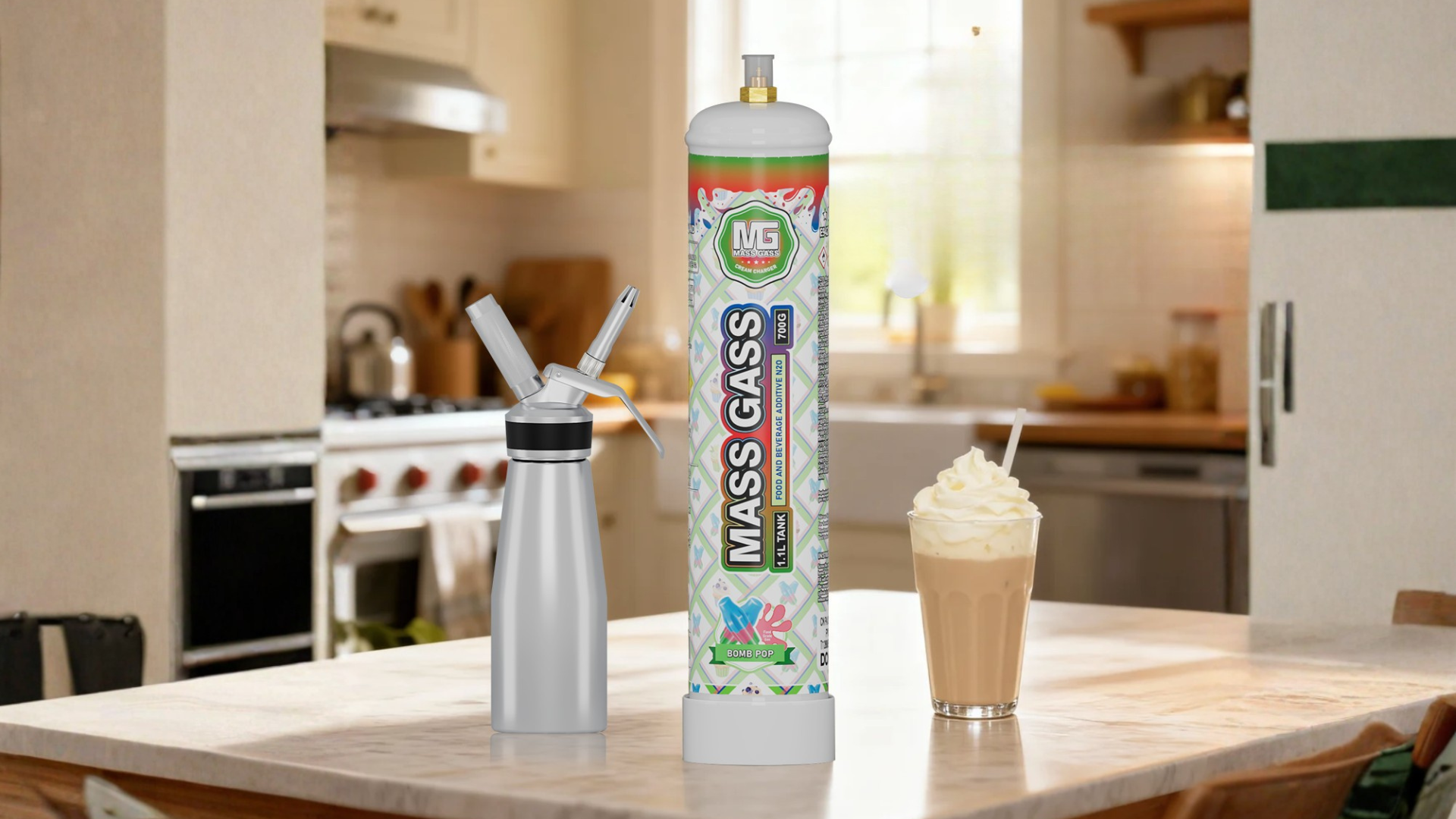
Whip cream charger tank whipping – Using a whipped cream dispenser with a nitrous oxide charger reduces exposure to air and contamination, lowering the risk. If you want to make it extra safe and convenient, you can even buy cream chargers to ensure you have a reliable supply for your dispenser. This method also shortens the time cream is handled directly, which helps keep it safer.
A cream dispenser whips cream in a completely sealed, air-free environment, protecting it from oxygen and contamination. When connect a Whip cream charger tank, the gas dissolves into the cream under pressure. As the cream is dispensed, the sudden drop in pressure causes the gas to expand, forming countless tiny bubbles. These bubbles are stabilized by the fat in the cream, creating a light, airy texture. The result is smooth, fluffy whipped cream that is not only fast and convenient to make but also stays fresh longer than cream whipped by hand.
Even so, always start with fresh cream and sanitized tools—Listeria can be persistent.
Read More:Can I Store Cream Chargers in the Fridge?
How to Prevent Listeria in Your Fridge?
Keeping Listeria out of your refrigerator isn’t complicated, but it requires consistent habits:
Seal food properly – Store dairy, deli meats, and salads in airtight containers to prevent bacteria from spreading.
Maintain cleanliness – Regularly wipe down shelves, handles, and containers to avoid cross-contamination.
Check expiration dates – Dispose of old or questionable foods promptly to reduce risk.
By following these steps, you can enjoy cream, cheese, and other refrigerated delights with peace of mind.
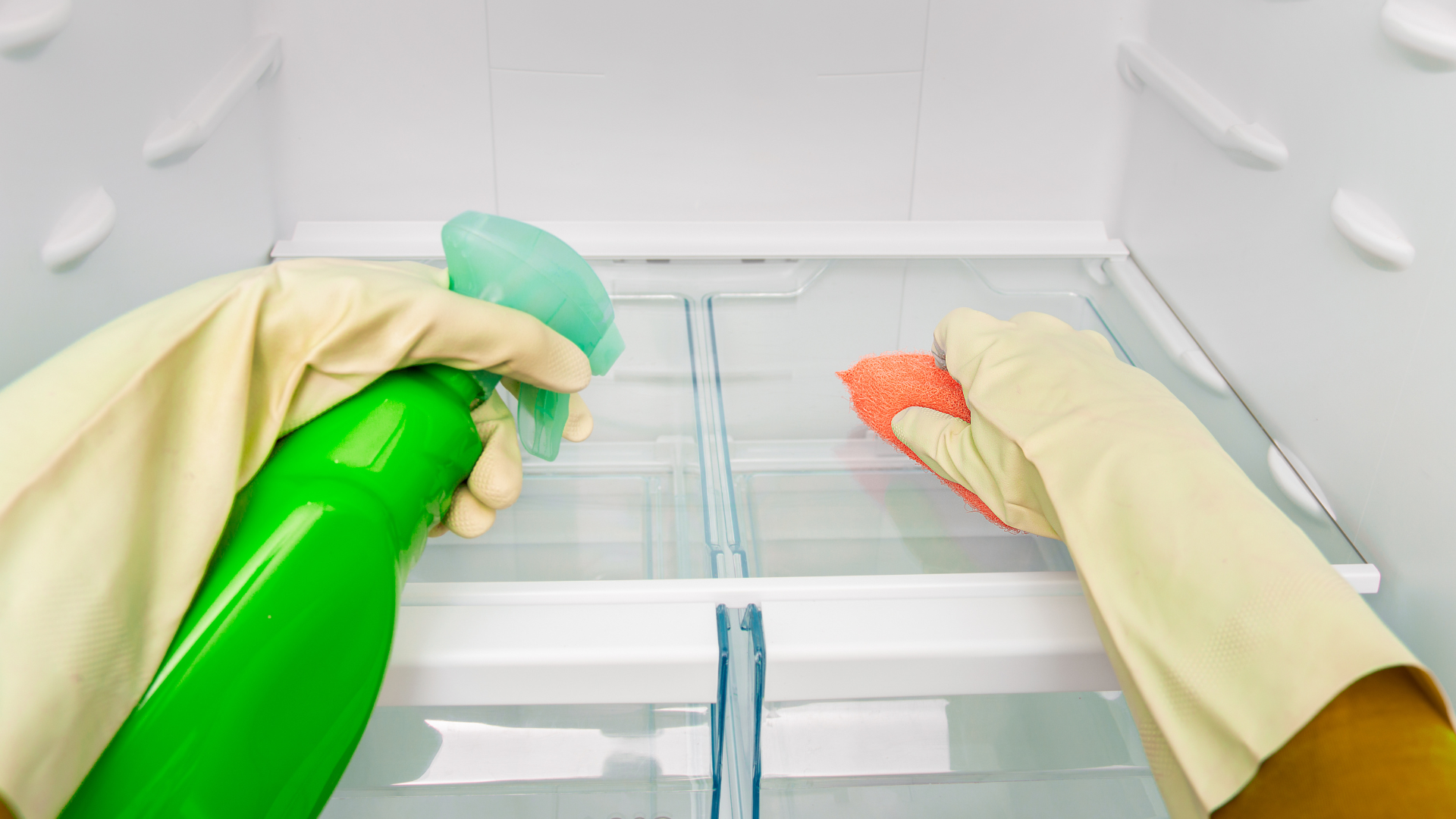
Honestly, Listeria sounds scarier than it usually is, but you don’t have to live in fear of your fridge. Just keep things clean, store your cream and deli items properly, and toss anything past its prime. I’ve learned that a little care goes a long way—you can still whip up fluffy desserts or enjoy a creamy bagel without overthinking it. Think of it like giving your fridge a tiny safety check every now and then, and you’re good to go. Cooking should be fun, not stressful, and a little awareness is all it takes to keep it that way.




.png?w=800&h=800)