
In a busy kitchen, the small habits are often the ones that make the biggest difference. Checking your cream charger tank before using it is one of those habits. It doesn’t take long, but it can save you from weak foam, uneven texture, or that annoying moment when the cream just refuses to whip properly.
It’s important to run a quick check to make sure everything is safe and working properly. Start by confirming the gas level—ideally by weighing the tank rather than shaking it, which is often unreliable. Then, take a moment to inspect the tank for any visible damage, ensure the valve and regulator are securely attached, and check for possible leaks or abnormal pressure readings. These simple steps not only help prevent accidents but also ensure consistent performance. With that in mind, let’s take a closer look at exactly how to check your cream charger tank before use.
Check the Outer Packaging and Label Information
The first check happens before the tank even leaves the box. A proper cream charger tank should arrive with clean, intact packaging and clear labeling. You want to know exactly what gas you’re working with, how much pressure it holds, and who made it.
If the label looks incomplete, poorly printed, or damaged, that’s already a sign to slow down. Reliable labeling usually reflects reliable filling, which matters more than most people realize when you’re chasing consistent whipping results.

Inspect the Tank Body for Damage
Once the tank is out, take a moment to really look at it. A smooth, solid tank body tells you it’s been handled and stored correctly. With a 3.3L nitrous tank, this matters even more because the tank is larger and holds more pressure than standard disposable chargers.
Any dents, deep scratches, or signs of impact are reasons to pause. In my kitchen, a damaged high-capacity tank never gets used. It’s not worth risking inconsistent pressure or performance when you’re aiming for smooth, stable whipped cream.
Examine the Valve and Connection Area
The valve is the heart of the tank. This is where performance issues usually start if something isn’t right. Before connecting anything, make sure the valve feels solid and clean, with no visible debris or residue.
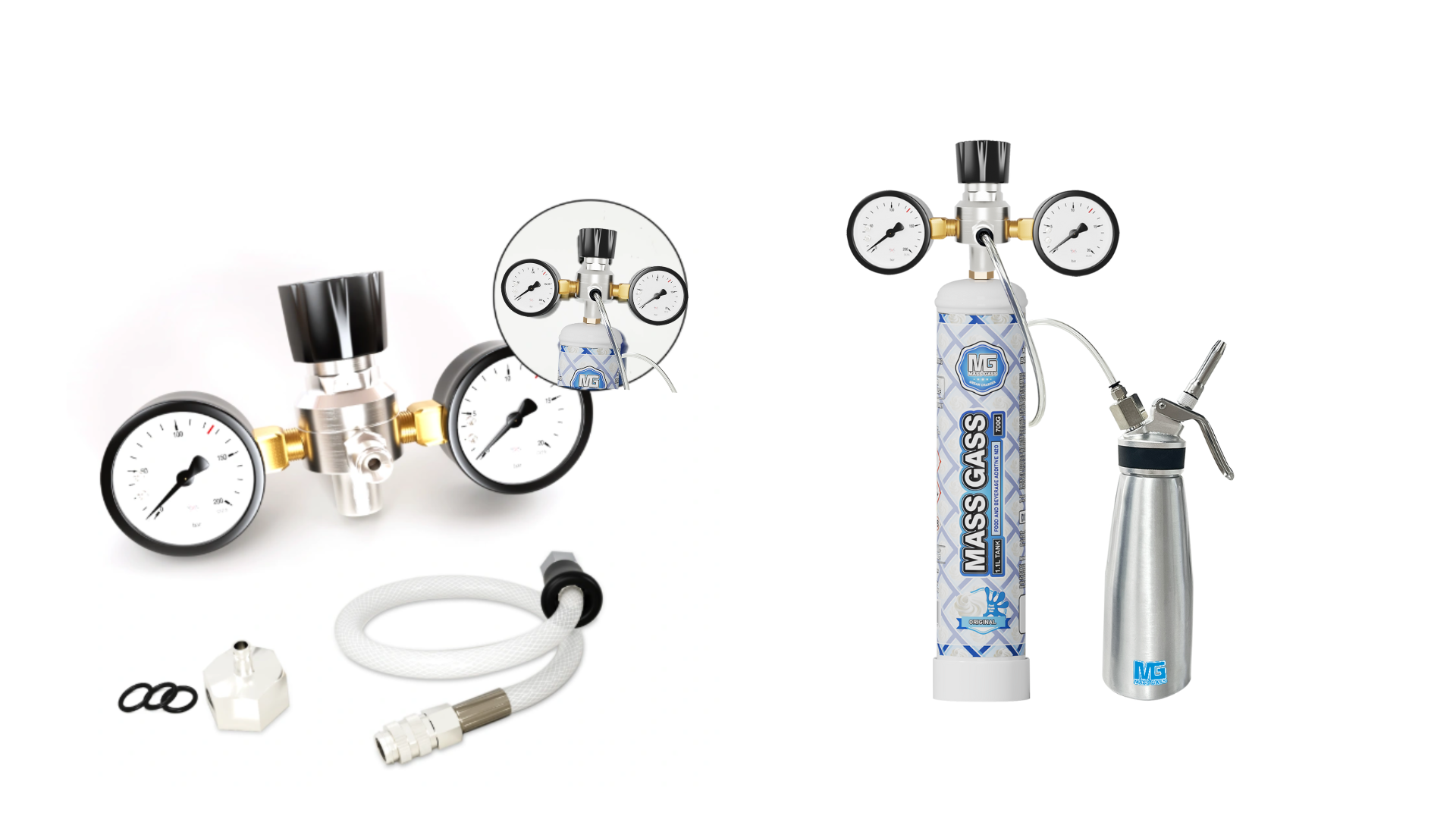
When you attach your regulator or dispenser, the connection should feel smooth and natural. If it feels forced or misaligned, stop and check again. A good connection ensures steady gas flow, which directly affects how fine and stable your whipped cream turns out.

Check the Pressure Gauge
If your tank comes with a pressure regulator, don’t ignore it. A quick glance tells you a lot. The needle should sit comfortably in the normal range, without shaking or dropping unexpectedly.
Stable pressure means predictable performance. When the pressure is right, your cream aerates evenly, giving you that light, silky texture chefs aim for every time.
Perform a Simple Leak Test
This step takes less than a minute and is absolutely worth it. After the tank is connected, listen closely. Any faint hissing sound is a warning sign. In professional kitchens, we often use a little soapy water around the valve to double-check—no bubbles means you’re good to go.
Even a minor leak can waste gas and weaken your whipping power, especially during longer prep sessions.
Confirm Compatibility with Your Equipment
Not every cream charger tank works perfectly with every setup. Before using a new tank, make sure it matches your regulator, dispenser, and pressure requirements.
Using compatible equipment isn’t just about safety—it’s about performance. When everything fits the way it should, the gas flows smoothly, and your cream responds exactly the way you expect it to.
Read More:How to use a cream charger?
Great whipped cream doesn’t start when you pull the trigger—it starts with preparation. Spending a few minutes checking your cream charger tank helps you avoid surprises and gives you more control over texture, volume, and consistency.
Before using a cream charger tank, it’s important to follow basic compressed gas safety standards. According to Occupational Safety and Health Administration (OSHA), cylinders should always be visually inspected to ensure they are in safe condition before use. These inspections typically include checking for physical damage, valve integrity, and potential leaks.
Read More:Compressed Gas Cylinder Inspection Checklist
In my experience, the best kitchens aren’t rushed—they’re prepared. And a quick tank check is one of the easiest ways to make sure your whipped cream comes out right, every single time.
FAQ
Can I use any regulator with my cream charger tank?
No, you should only use a regulator that is compatible with your specific tank type. Using the wrong regulator can cause improper pressure control and increase safety risks.
Why is shaking the tank not a reliable method?
Unlike liquid-filled containers, cream charger tanks contain compressed gas, which doesn’t slosh around noticeably. This makes shaking an inaccurate way to estimate how much gas is left.
What should I do if the pressure seems too low?
First, check if the tank is nearly empty by weighing it. If the tank still has gas, inspect the regulator and connections for leaks or blockages that could affect pressure.



.png?w=800&h=800)