
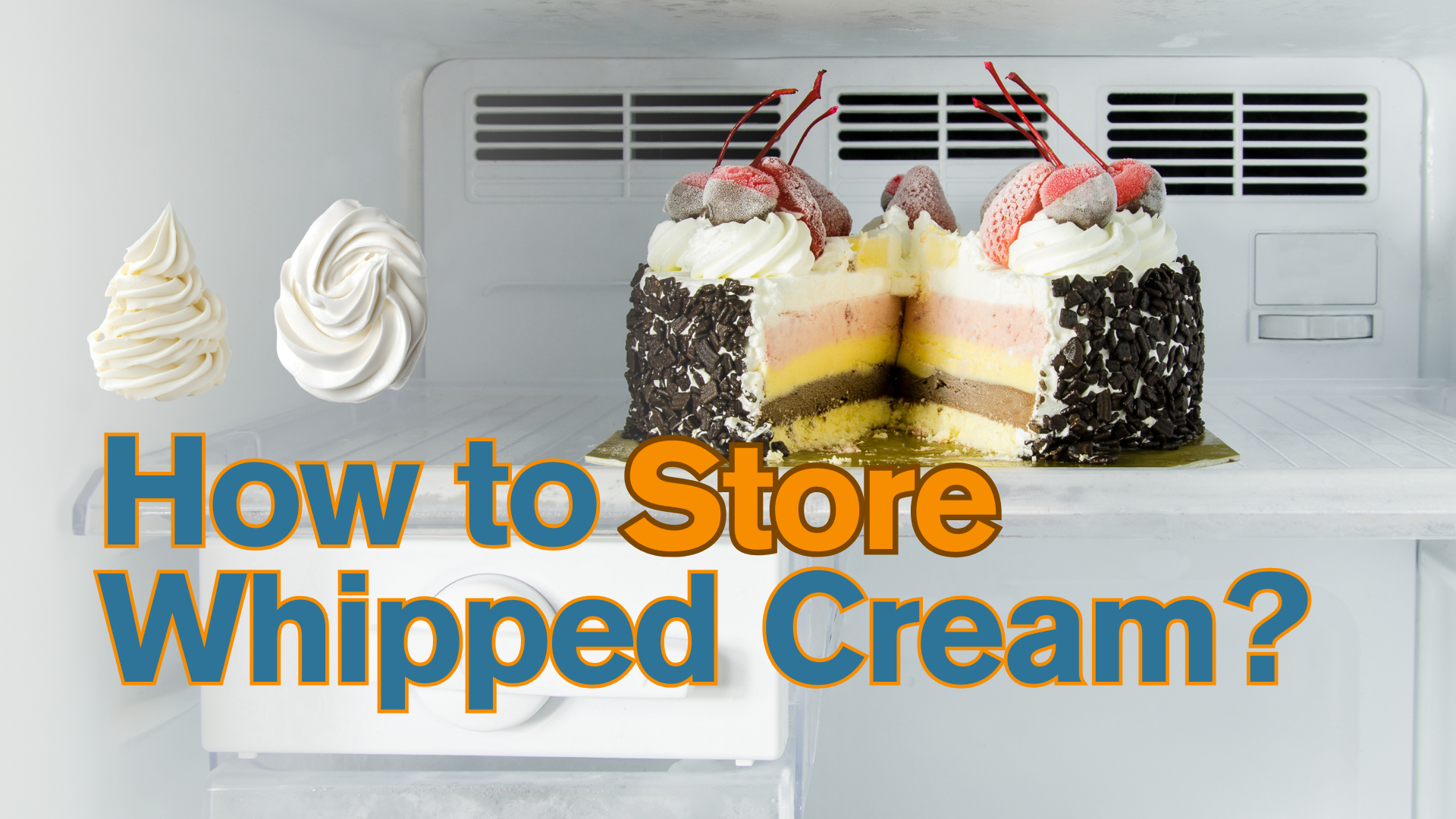
Achieving a perfect bowl of smooth, fluffy whipped cream always feels satisfying, but the real challenge comes afterward—how do you keep it in that ideal state? Many people face the same issue: freshly whipped cream looks as light as a cloud, but after a while it begins to weep, collapse, or even separate. Don’t worry—if you master a few techniques, whipped cream can stay stable and beautiful for much longer.
What Is Whipped Cream?
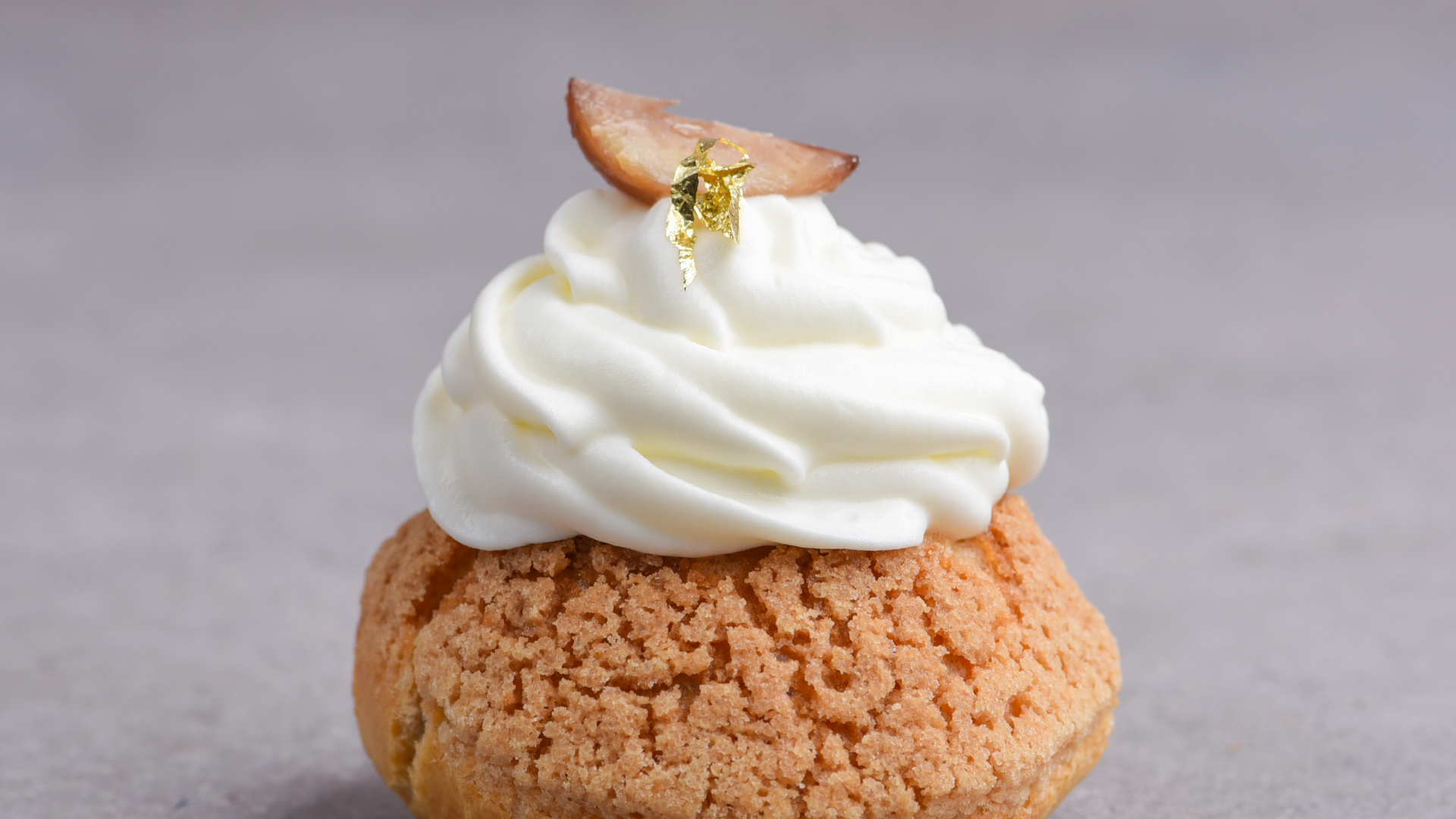
Whipped cream is made by incorporating air into heavy cream with a high fat content, creating smooth, airy foam. After whipping, the texture becomes light and fluffy, making it perfect for decorating cakes, topping coffee, filling pastries, or enhancing chilled desserts. The key is that the fat in the cream traps air bubbles, forming a stable foam structure—but this structure is easily affected by temperature, time, and handling. That’s why proper storage is essential.
How to Make Whipped Cream?
Regardless of the method, the key preparation steps are the same:
Use well-chilled heavy cream (the higher the fat, the better, at least 30%), and keep all tools (bowls, whisks, beaters) as cold as possible. Cooler temperatures help the fat stabilize quickly and create a firmer structure.
- Whipping by Hand
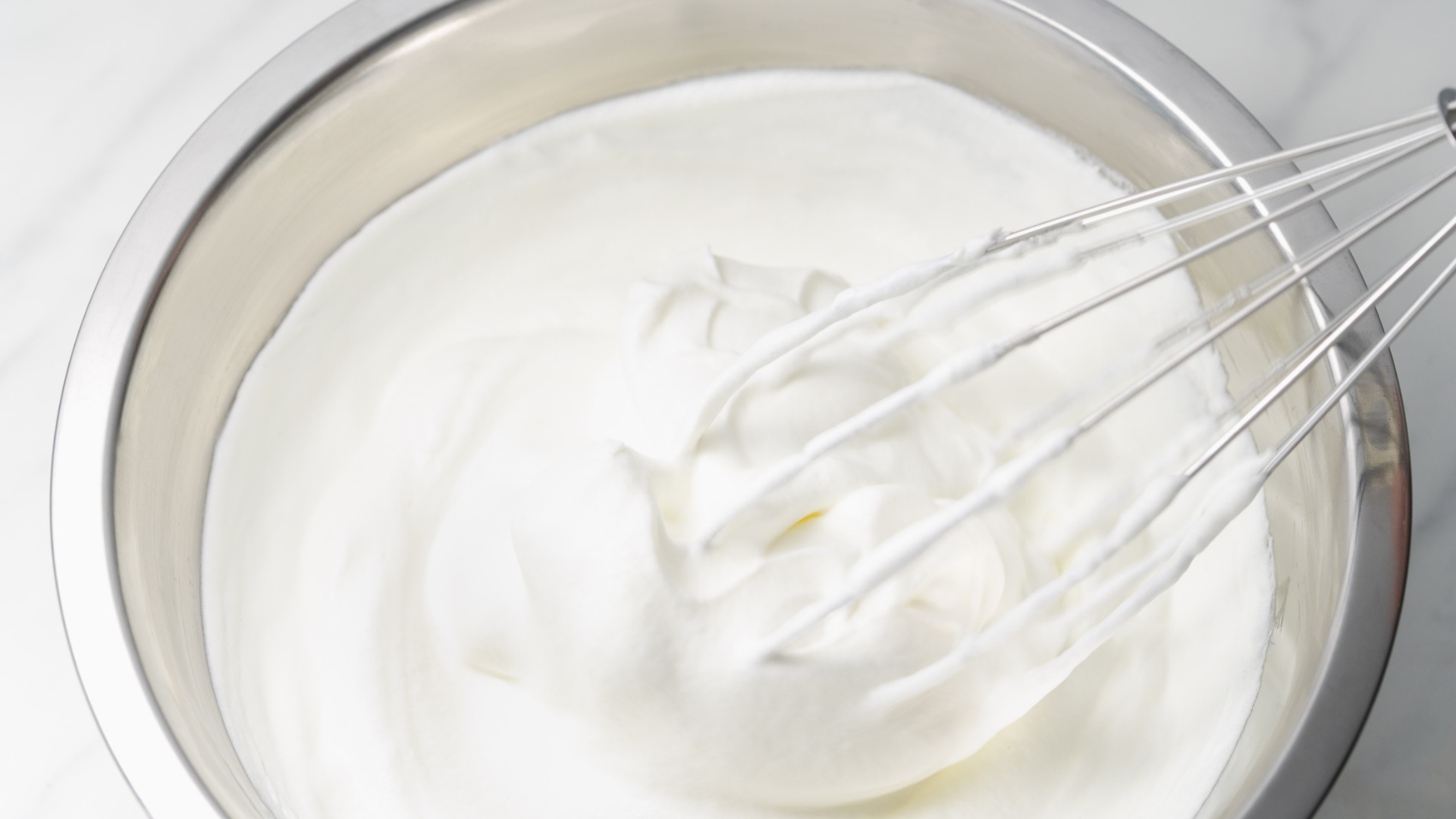
Hand whipping is ideal for small batches or when you don’t need very stiff peaks.
Chill the cream in a deep bowl in the refrigerator for at least 30 minutes, or chill the bowl and whisk in the fridge or freezer for 10 minutes. Pour in the cream and add 1–2 tablespoons of powdered sugar—or adjust sweetness to taste. Powdered sugar stabilizes better than granulated sugar.
Start whisking at medium speed for about 3–6 minutes. First, it will reach soft peaks (the cream forms a peak that slightly droops). Continue whisking until it reaches stiff peaks that stand upright.
Be careful not to overwhip. Overwhipped cream becomes grainy, then separates into butter and whey.
- Whipping with an Electric Mixer
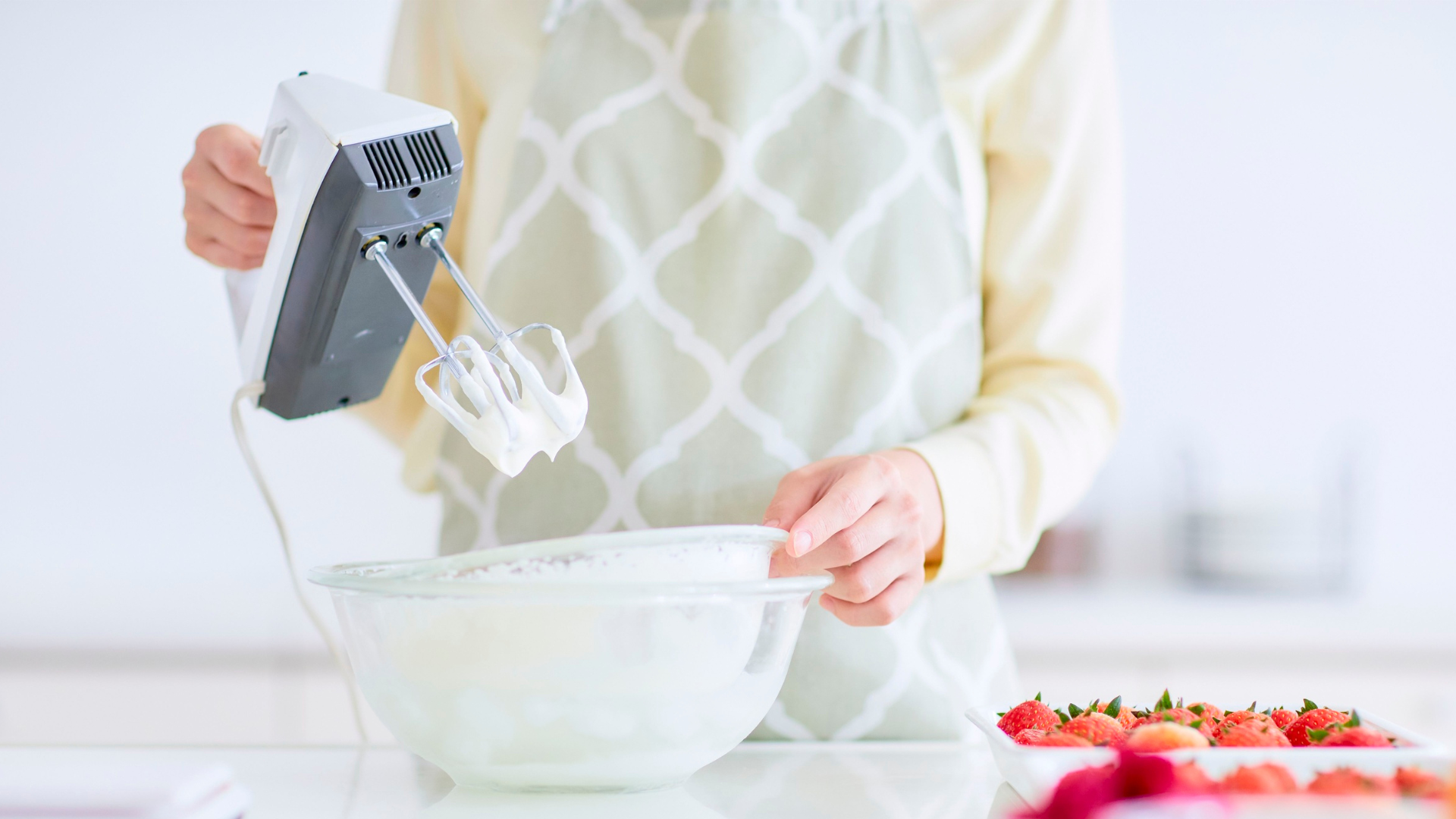
This method is faster and great for home use or small-scale baking.
As always, start with chilled cream and cold equipment. Begin on low speed to prevent splashing, then increase to medium-high once the cream thickens. The cream will move from soft to medium to stiff peaks. For piping or firm decoration, whip to stiff peaks; for filling or lighter uses, medium peaks are enough.
Add powdered sugar, vanilla, or other flavorings when the cream reaches soft peaks.
Electric mixers usually require only 2–5 minutes. Avoid leaving the mixer unattended—overwhipping can quickly turn the cream into butter.
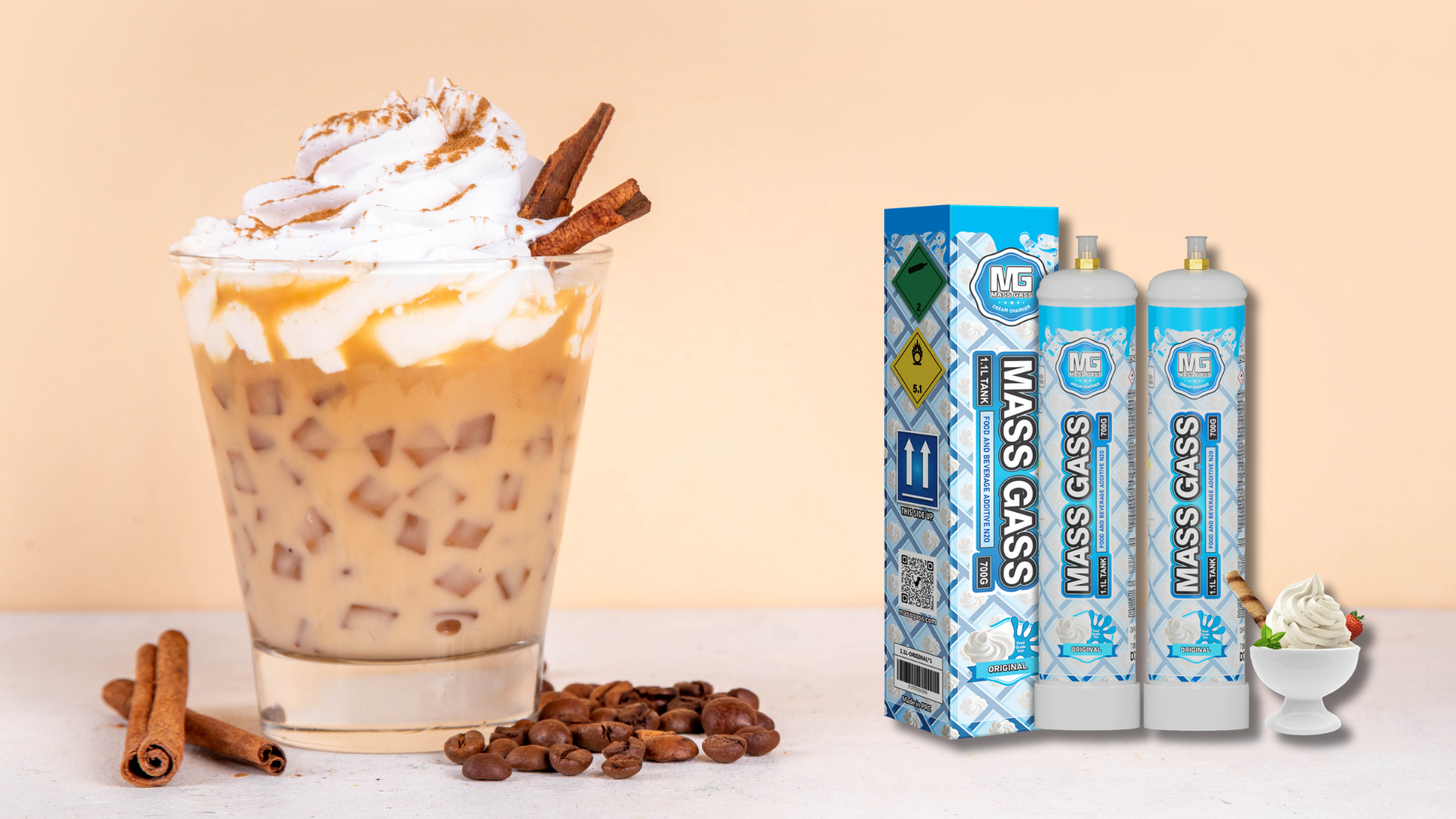
- Using a Cream Charger and Whipper
This is the easiest and most consistent method, ideal for anyone who wants fresh whipped cream anytime or needs larger quantities.
Steps:
Pour chilled heavy cream and optional powdered sugar or vanilla into the cream whipper (usually 0.25–1 L).
Close the lid and attach the pressure regulator and whipped cream charger tank as instructed.
Shake evenly and press the nozzle to dispense whipped cream.
Benefits:
Fast, simple, and produces fine, stable cream. When stored in a sealed whipper, whipped cream lasts longer than pre-whipped, exposed cream. Great for quick dispensing and reducing waste.
Safety Reminder:
Always follow equipment instructions, comply with local regulations, and dispose of empty chargers responsibly.
Can Whipped Cream Be Stored?
Yes, whipped cream can be stored—but storage time depends on factors such as stabilizers, container type, temperature, and freshness of the cream. Whipped cream without stabilizers is fragile and should be consumed within 8–24 hours even when refrigerated. If stabilizers are added, or if it is stored inside a cream whipper, it can stay stable for 2–4 days or longer depending on freshness and conditions.
Proper storage greatly slows down deflating and weeping, helping whipped cream maintain ideal texture and flavor.
Best Ways to Store Whipped Cream
- Refrigerate in an Airtight Container
Transfer whipped cream into a clean airtight container. Press plastic wrap directly against the surface of the cream to minimize exposure to air, then seal the container and refrigerate.
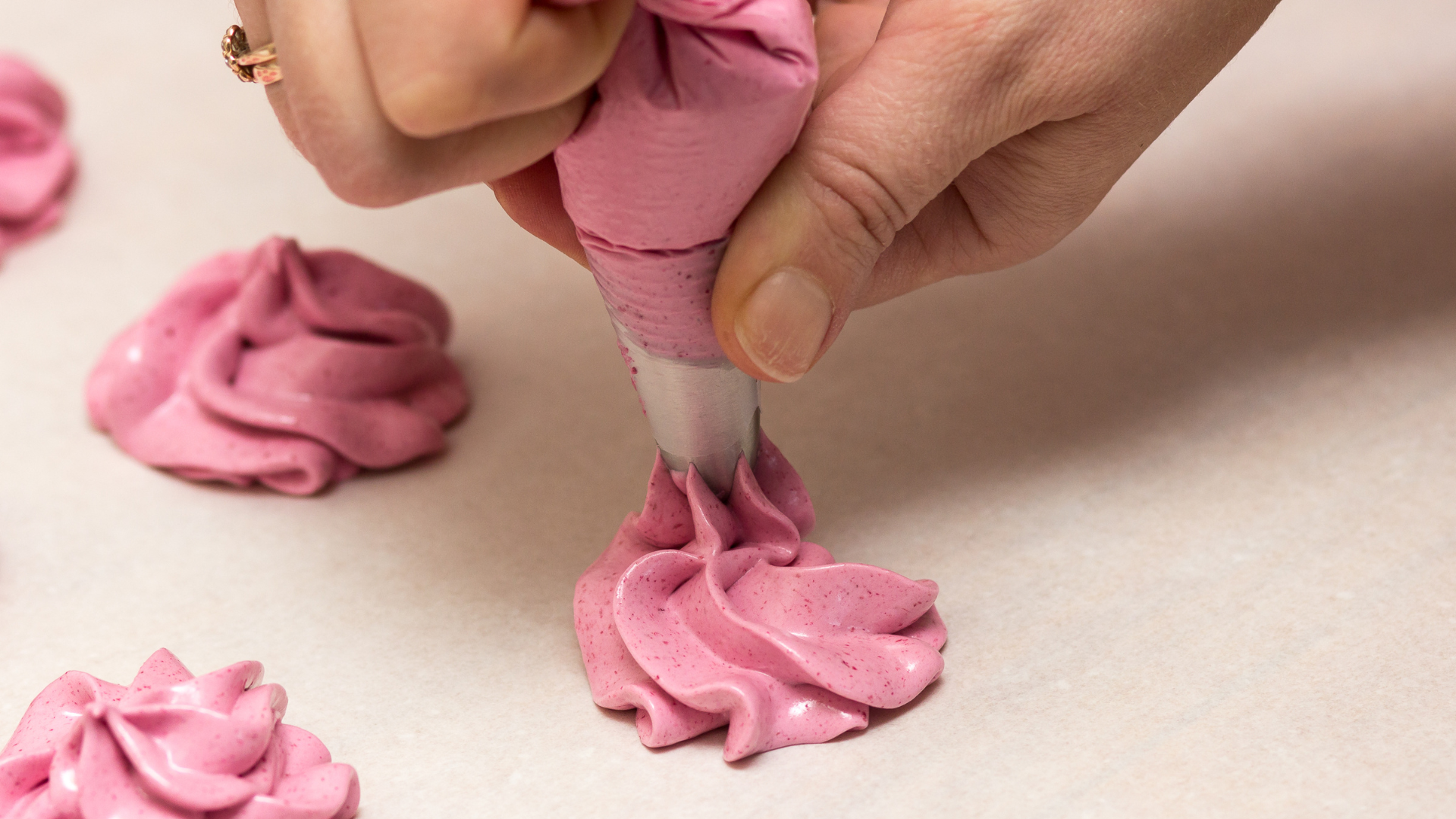
- Piping Bag Storage
Spoon the whipped cream into a piping bag, twist the end tightly, and seal with plastic wrap or a clip. Store flat in the refrigerator drawer.
Benefit: Ready to pipe immediately and ideal for decorative use.
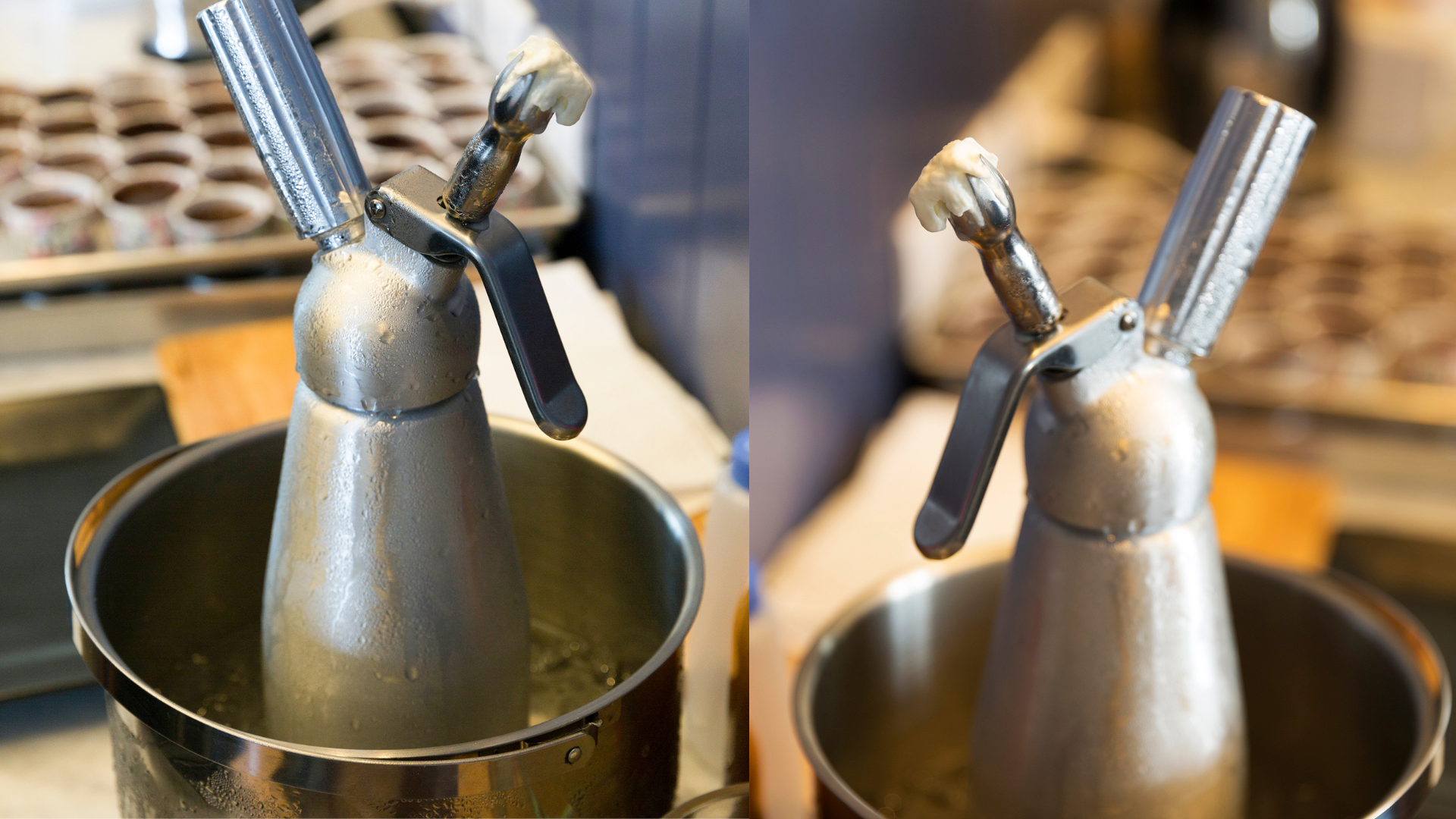
- Storing in a Cream Dispenser
Using a whipper is the most long-lasting and convenient method. Store the whipped cream sealed and pressurized inside the dispenser, then refrigerate. This pressurized environment keeps the cream more stable than exposed storage.
Typically lasts several days to about a week.
Perfect for: Cafes, restaurants, or home users who want fresh whipped cream anytime.
- Freezing Whipped Cream
Pipe small portions onto parchment paper and freeze. Once solid, transfer them to an airtight bag. Use by placing frozen whipped cream on hot drinks or thawing gently.

Not suitable for delicate cake decorating, as freezing affects texture.
Best for: Hot drinks like coffee or hot chocolate.
How Long Does Whipped Cream Last?
At room temperature (no stabilizers): Best within a few hours; shorter in summer.
Refrigerated (no stabilizers): 8–24 hours is best; after that, texture may loosen or weep.
Refrigerated (with stabilizers): 24–72 hours; some strong stabilizers or cream cheese blends last even longer.
In a whipper (charged and refrigerated): 3–7 days commonly; sometimes up to a week with very fresh cream.
Frozen: About 1 month (best for drinks or instant-melting purposes).
Actual storage time depends on cream freshness, refrigerator temperature (recommended 2–4°C), and any stabilizers used.
How to Keep Whipped Cream Stable for Longer?
To maintain whipped cream’s fluffiness and prevent collapse, pay attention to the formula, temperature, fat content, and whipping method.
- Add Stabilizers
The most direct method is to add stabilizers. Common options include:
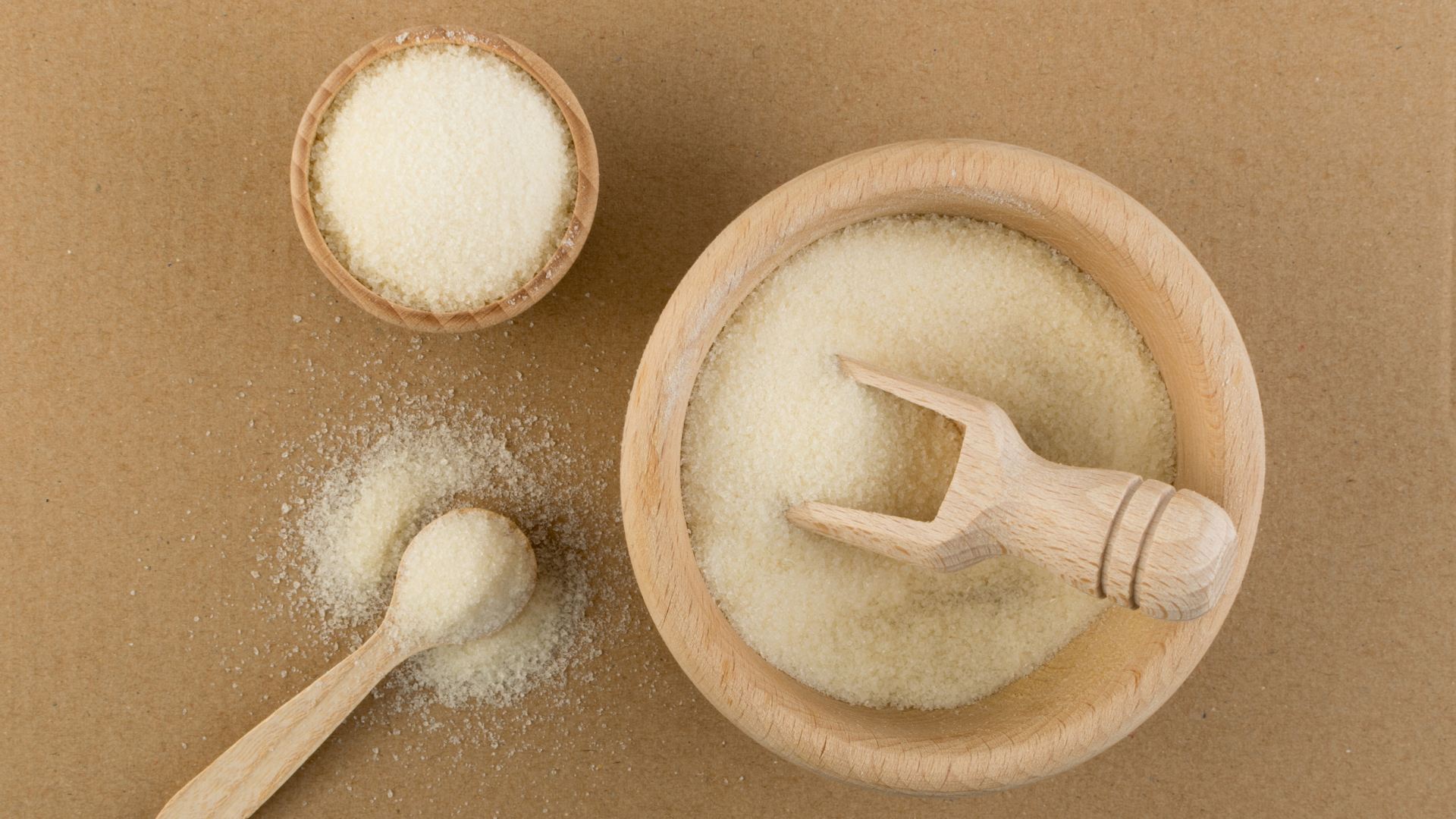
Gelatin (bloom in cold water, dissolve with heat, and add slowly at soft peaks)
Cream cheese (softened at room temperature to thicken and stabilize)
Powdered sugar with starch or corn starch
- Control Temperature
Keep everything cold: the cream, the bowl, and the whisk or beaters. Refrigerate the whipped cream immediately after whipping. Avoid letting it sit in warm environments. High-fat cream (36–40%) works best for stability.
- Control the Whipping Stage
Whipping stage affects how long it holds. Soft peaks work for light uses, while stiff peaks are better for decoration. Avoid overwhipping—once it separates, it cannot be fixed.
For large batches, whip in smaller portions for more consistent stability. If cream slightly loses volume after sitting, a few seconds of slow whisking can restore texture—only if separation has not begun.
Depending on your purpose, you can choose the best storage method. For same-day or next-day use, simple refrigeration is enough. For cake decorating in advance, stabilizers like gelatin or cream cheese help maintain shape. For ultimate convenience and freshness, a cream whipper with a cream charger allows you to chill the mixture and dispense as needed.
Proper storage not only prolongs whipped cream’s texture and flavor but also keeps your drinks, desserts, and breakfasts consistently delicious. With the right techniques—from airtight containers to temperature control—you can maintain its best condition. We hope these tips help you create professional-quality treats at home, and feel free to share your own tips so we can enjoy perfectly silky whipped cream together!




.png?w=800&h=800)