Calories in Busch Light Apple
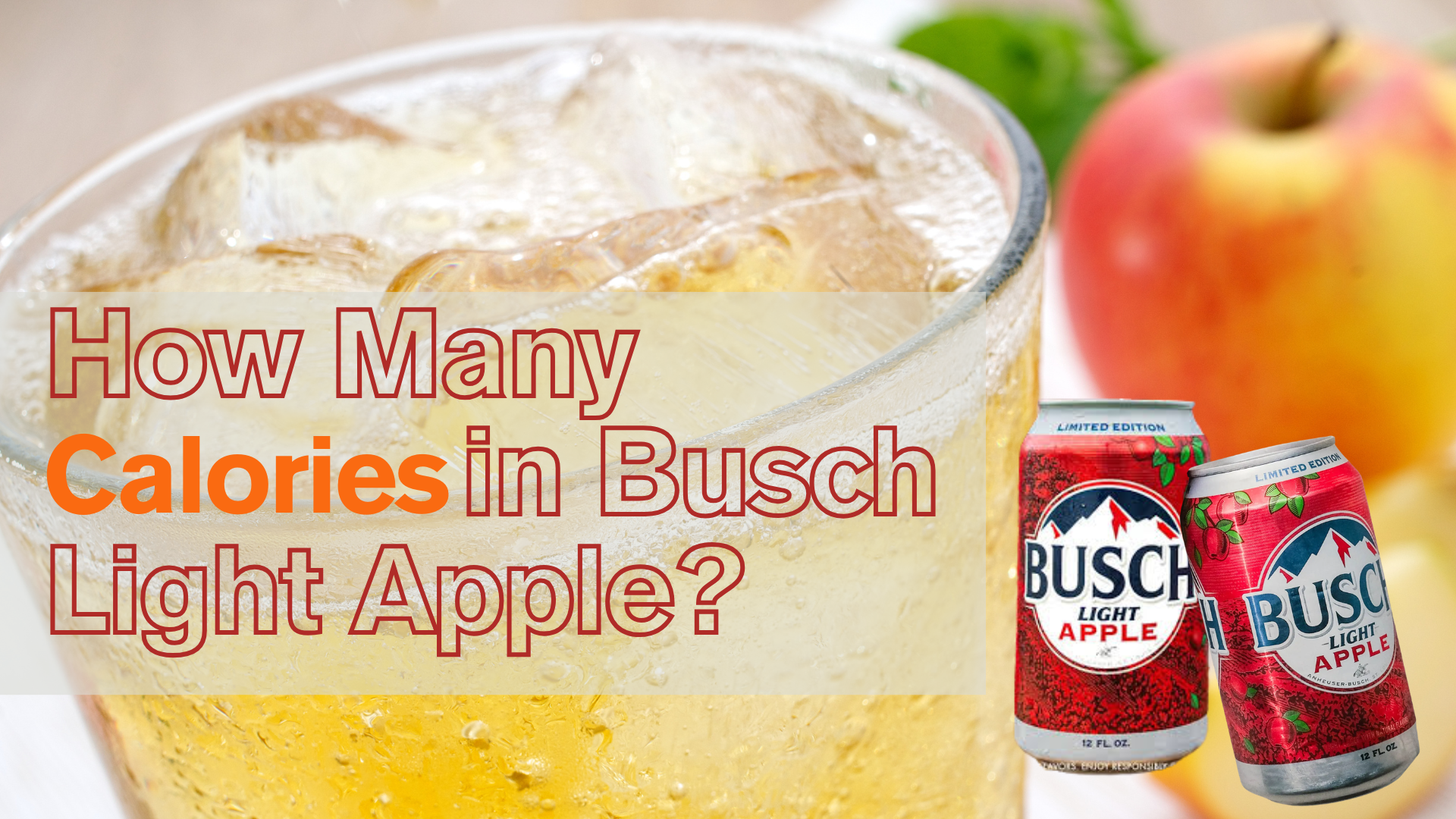
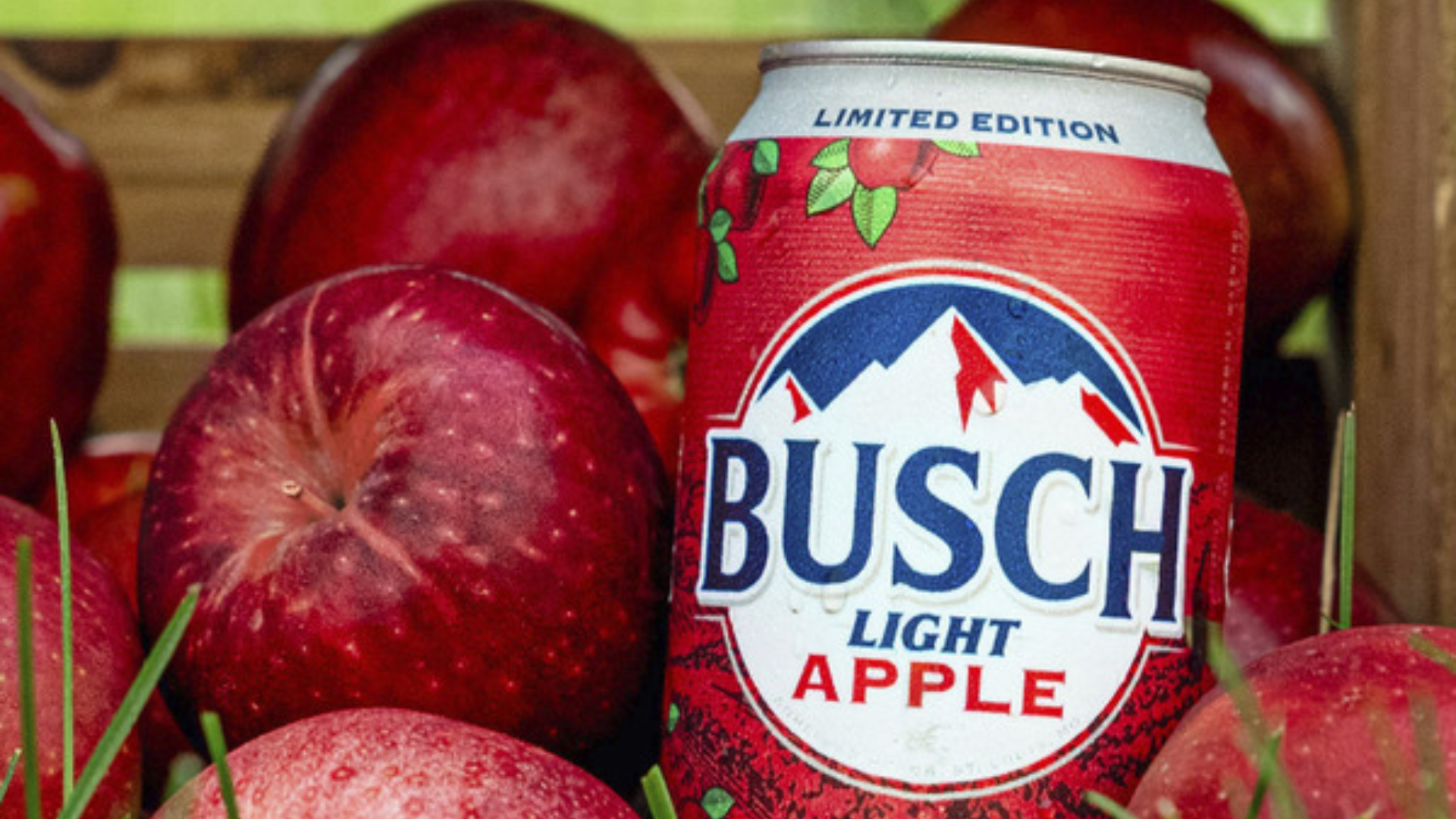
A standard 12 oz can of Busch Light Apple contains about 130 calories. This makes it slightly higher in calories than a typical light beer, which usually falls between 90 and 110 calories, but still lower than many flavored alcoholic drinks such as hard cider.
The difference mainly comes from its apple flavor profile, which introduces additional sugars and contributes to a smoother, slightly sweeter taste. This balance—light but flavorful—is one of the reasons it appeals to a wide range of consumers.
Why Busch Light Apple Is So Popular in the U.S.?
The success of Busch Light Apple reflects more than just a single product trend. It highlights how American consumers respond to novelty, accessibility, and seasonal marketing. Limited releases create urgency, encouraging people to try the product before it disappears.
At the same time, social media plays a significant role in amplifying its visibility. Seasonal drinks often gain traction online, especially when they tap into familiar flavors like apple. Compared to traditional beer, fruit-flavored options are easier to drink and more approachable, which broadens their appeal beyond regular beer drinkers.
Read More:Busch brings back apple light beer, but for how long this time?
Why Flavored Drinks Are Growing So Fast?
The rise of flavored drinks in the U.S. is closely tied to broader shifts in consumer behavior. According to industry insights from Emergen Research, demand is being driven by evolving preferences around taste, convenience, and experience.
Social media amplification
Social platforms have changed how beverages gain popularity. Visually appealing drinks—colorful, layered, or topped with foam and cream—are more likely to be shared and go viral. This exposure accelerates trends and turns seasonal or niche products into mainstream hits.
Alignment with American taste preferences
Flavored drinks often lean toward sweet, bold, and fruit-forward profiles, which match long-standing American flavor preferences. Compared to traditional beverages, they are generally easier to drink and appeal to a broader audience.
Limited editions and novelty appeal
Seasonal releases and limited-time flavors create a sense of urgency and excitement. Consumers are more willing to try new products when they feel exclusive or temporary, which helps drive rapid spikes in demand.
Convenience and RTD culture
Ready-to-drink (RTD) formats fit seamlessly into modern, fast-paced lifestyles. Consumers value beverages that are easy to purchase, carry, and consume on the go, making flavored RTD drinks a natural choice for everyday consumption.
Read More:RTD Beverages Market
A Bigger Shift: The “Dessertification” of Beverages
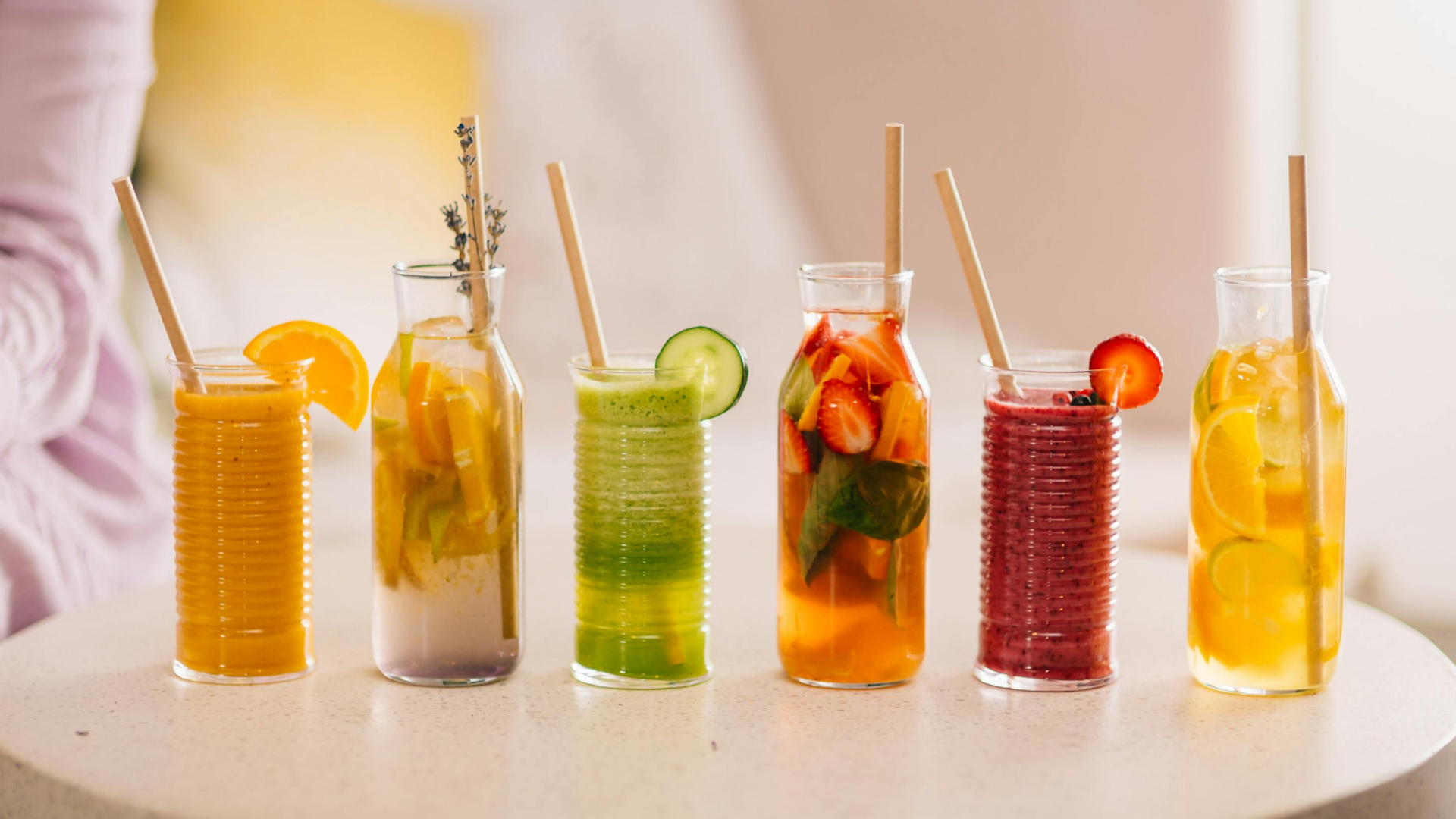
Looking beyond individual products, a more significant transformation is taking place across the beverage industry. Drinks are no longer designed purely for refreshment—they are increasingly influenced by dessert concepts and richer flavor formulations.
Dessert-inspired beverage trend
Beverages are becoming more like desserts in both flavor and presentation. From coffee drinks to sodas and even alcoholic beverages, there is a clear move toward indulgent, multi-layered experiences that go beyond simple thirst-quenching.
Flavor intensification: cream, syrups, and richer profiles
At the same time, drinks are becoming more flavor-dense. The use of whipped cream, flavored syrups, and sweet additions is becoming standard, especially in café-style beverages. This shift toward richer, more complex taste profiles reflects growing consumer demand for indulgent and sensory-driven drinks.
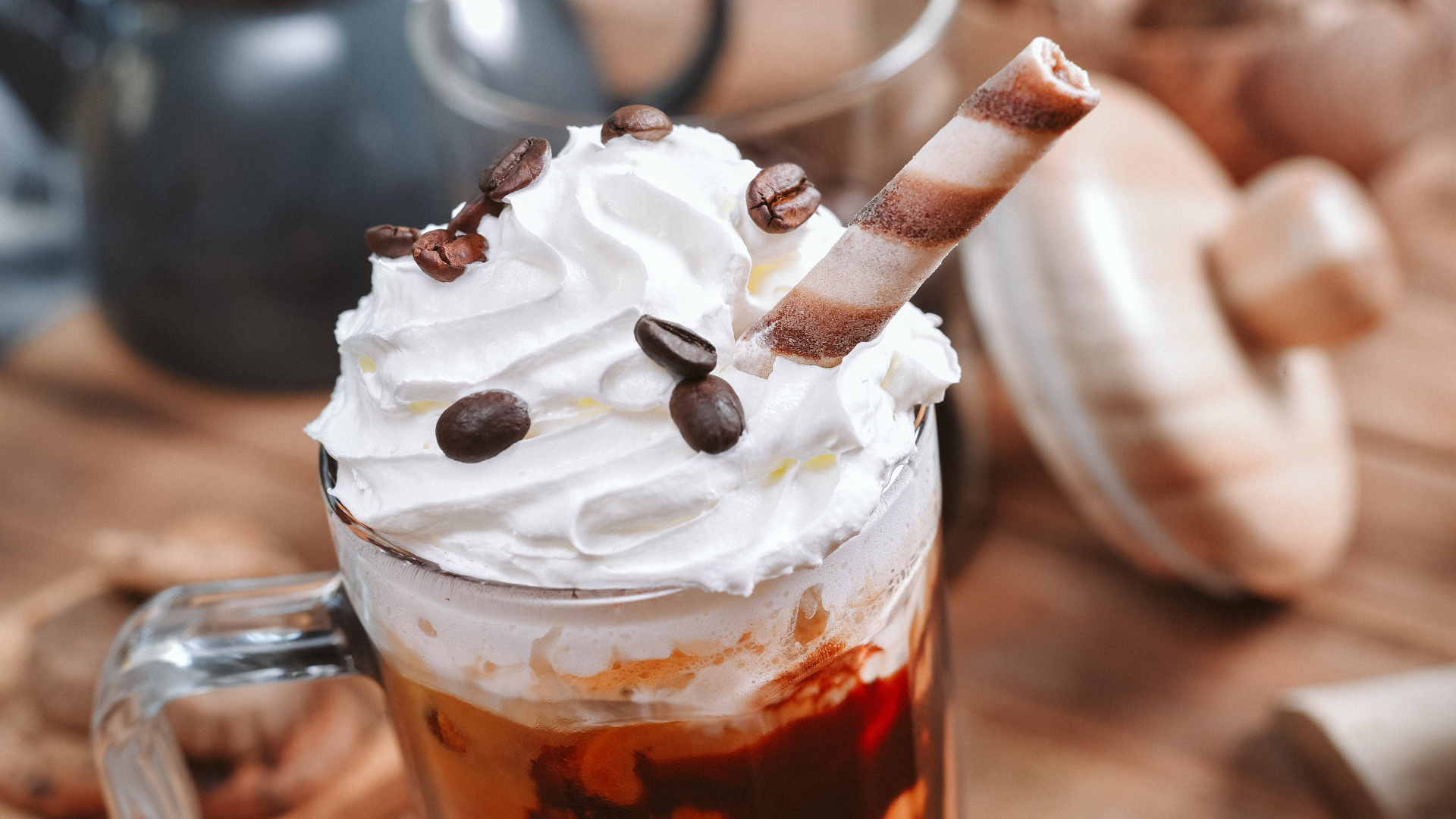
The Rising Role of Whipped Cream in Drinks
As beverages become more indulgent, whipped cream has become a defining element rather than an occasional addition. In many cafes, it is now expected on drinks such as frappuccinos, mochas, and milkshakes.
Its role goes beyond taste. Whipped cream adds texture, enhances visual appeal, and contributes to the perception of a premium product. In a market influenced by social media, presentation matters just as much as flavor, and creamy toppings help drinks stand out.
Why Cream Chargers Tank Are Used in the Beverage Industry?
To address these challenges, many cafes turn to cream chargers as part of their daily operations. These tools allow staff to produce fresh whipped cream almost instantly, reducing preparation time and ensuring a consistent texture across servings.
Beyond speed, they also improve the overall appearance of the final product. The whipped cream produced is smoother, more stable, and better suited for visually driven drinks. In an industry where both efficiency and presentation are critical, this makes them a practical solution rather than just an optional tool.
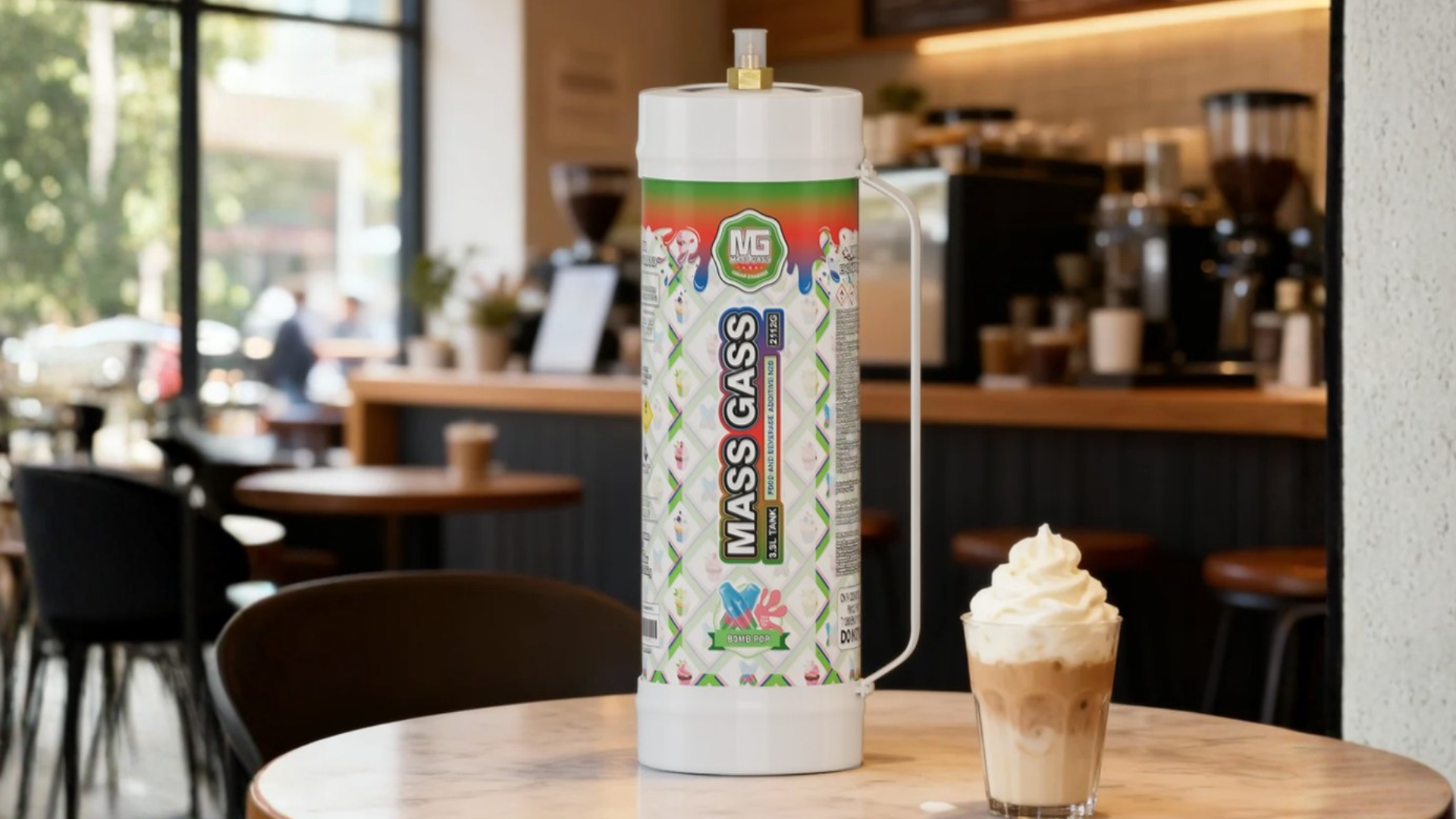
What begins as a simple question about calories ultimately points to a broader shift in the U.S. beverage landscape. Flavored drinks are gaining popularity, beverages are becoming more indulgent, and creamy textures are playing a larger role in how drinks are experienced.
At the same time, these changes are reshaping how beverages are prepared behind the scenes. As expectations for speed, consistency, and presentation continue to rise, tools like 3.3l nitrous oxide are becoming part of the standard workflow in modern cafés and beverage businesses.



.png?w=800&h=800)