
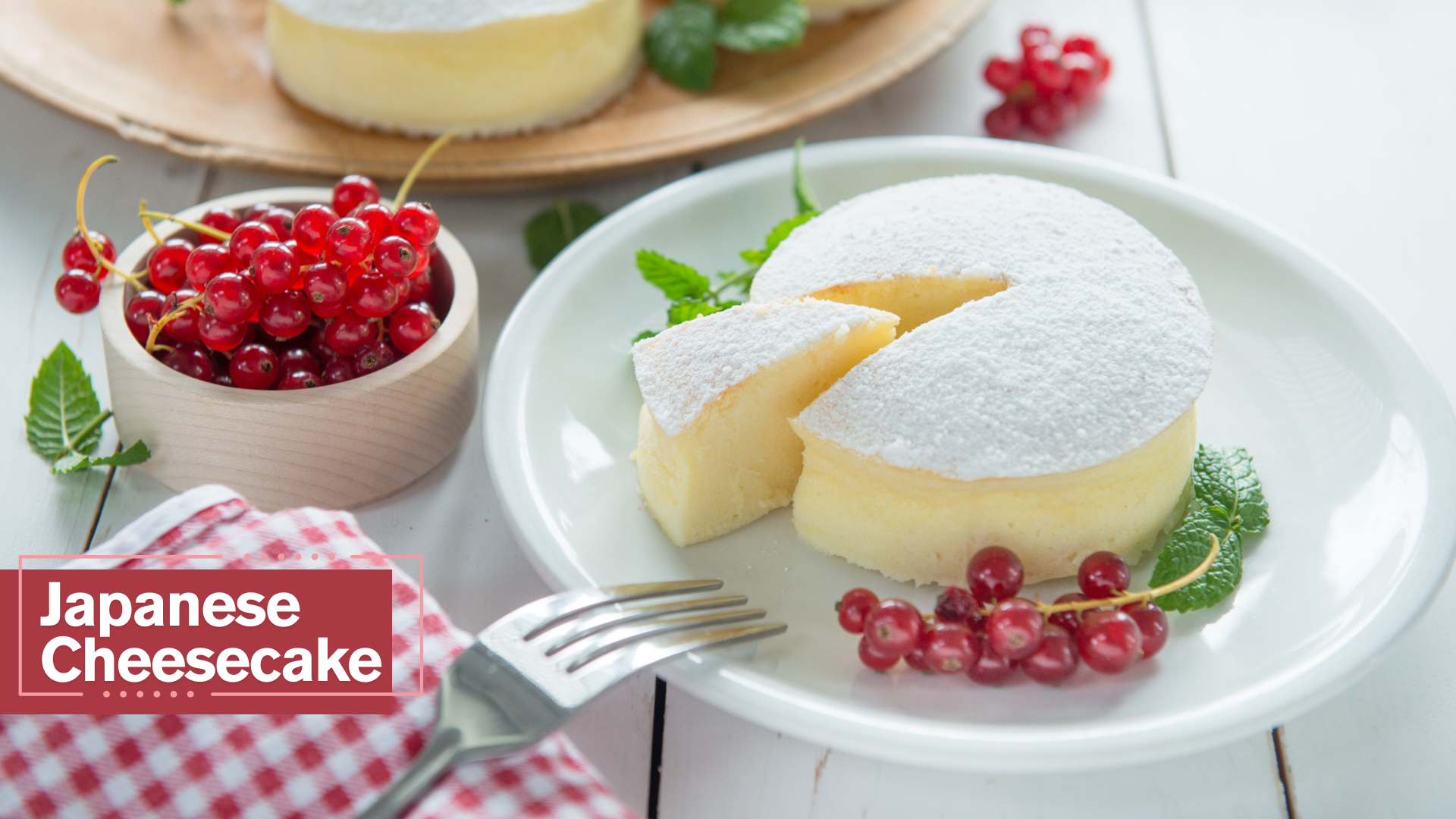
Light as a cloud, rich as a dream—the Japanese cheesecake has long been admired for its delicate balance. But with the subtle help of a whipped cream charger, this iconic dessert takes on an even more ethereal form, where air itself becomes an ingredient worth savoring.
The origin of Japanese cheesecake
Among the many wonders of the pastry world, few desserts capture the delicate interplay between richness and lightness as gracefully as the Japanese cheesecake. Born from the influence of European cheesecakes brought to Japan in the 20th century, this confection has since become an icon of Japanese patisserie—an ethereal hybrid of Western indulgence and Eastern restraint. Where New York cheesecake is dense and unapologetically heavy, its Japanese cousin is almost weightless, a tender cloud that trembles at the touch of a fork, dissolving into creamy whispers on the tongue.
The texture of Japanese cheesecake
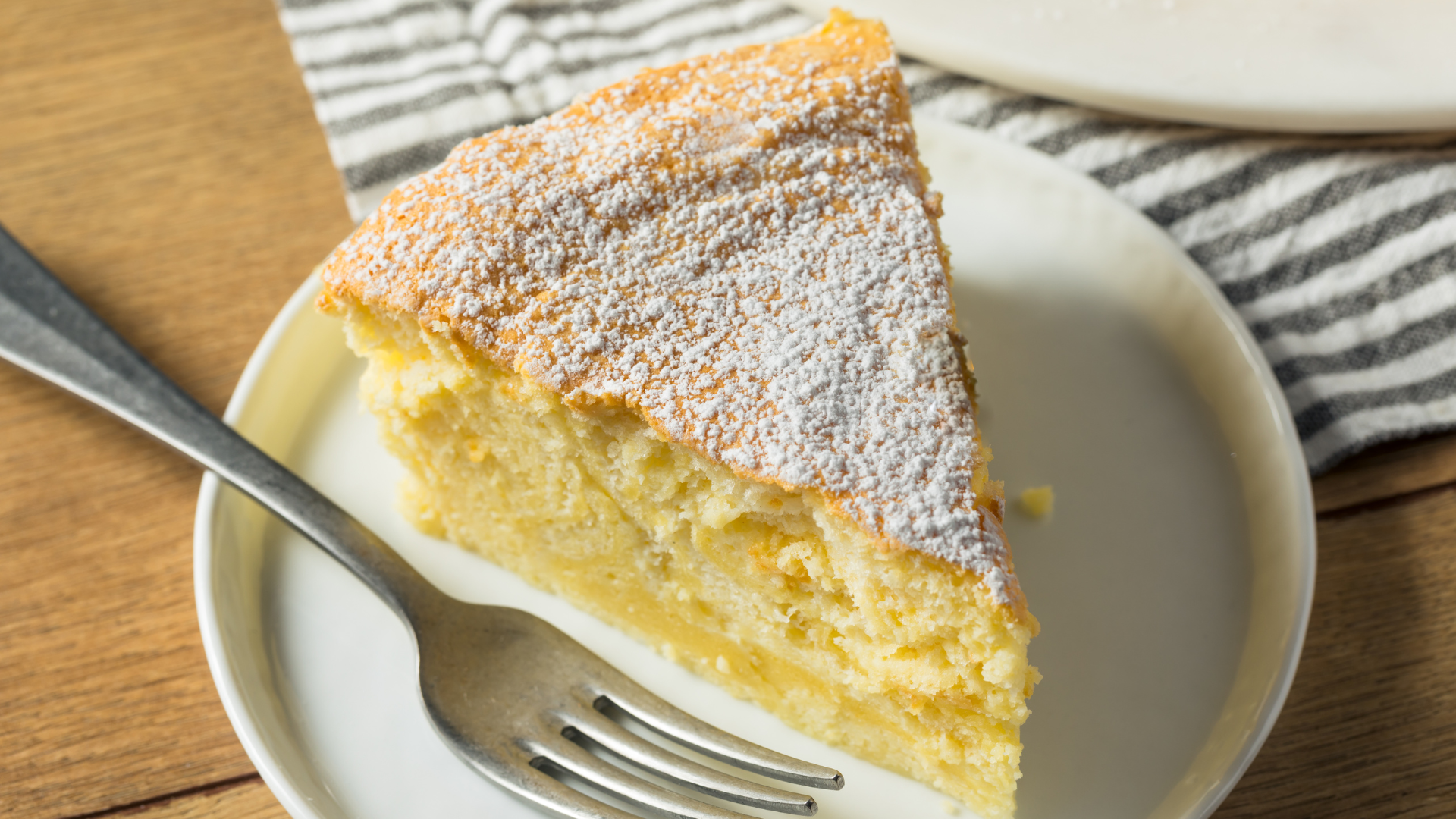
Traditionally, the magic of this cheesecake lies in the beaten egg whites—meringue carefully folded into a custard-like base of cream cheese, eggs, and milk. Yet, when we invite a cream charger into the process, something remarkable happens. The whipped cream that emerges from this ingenious little device is unlike the cream you laboriously whisk by hand or mixer. Infused with nitrous oxide, it becomes impossibly fine and airy, a billowing structure of tiny bubbles that lend not only lightness but a unique silkiness to the batter. The difference is subtle yet transformative: the body of the cheesecake gains a supple bounce, the crumb becomes more feathered, and the mouthfeel more akin to a souffle than a sponge.
📌The Essentials
(for one 8-inch cheesecake)
|
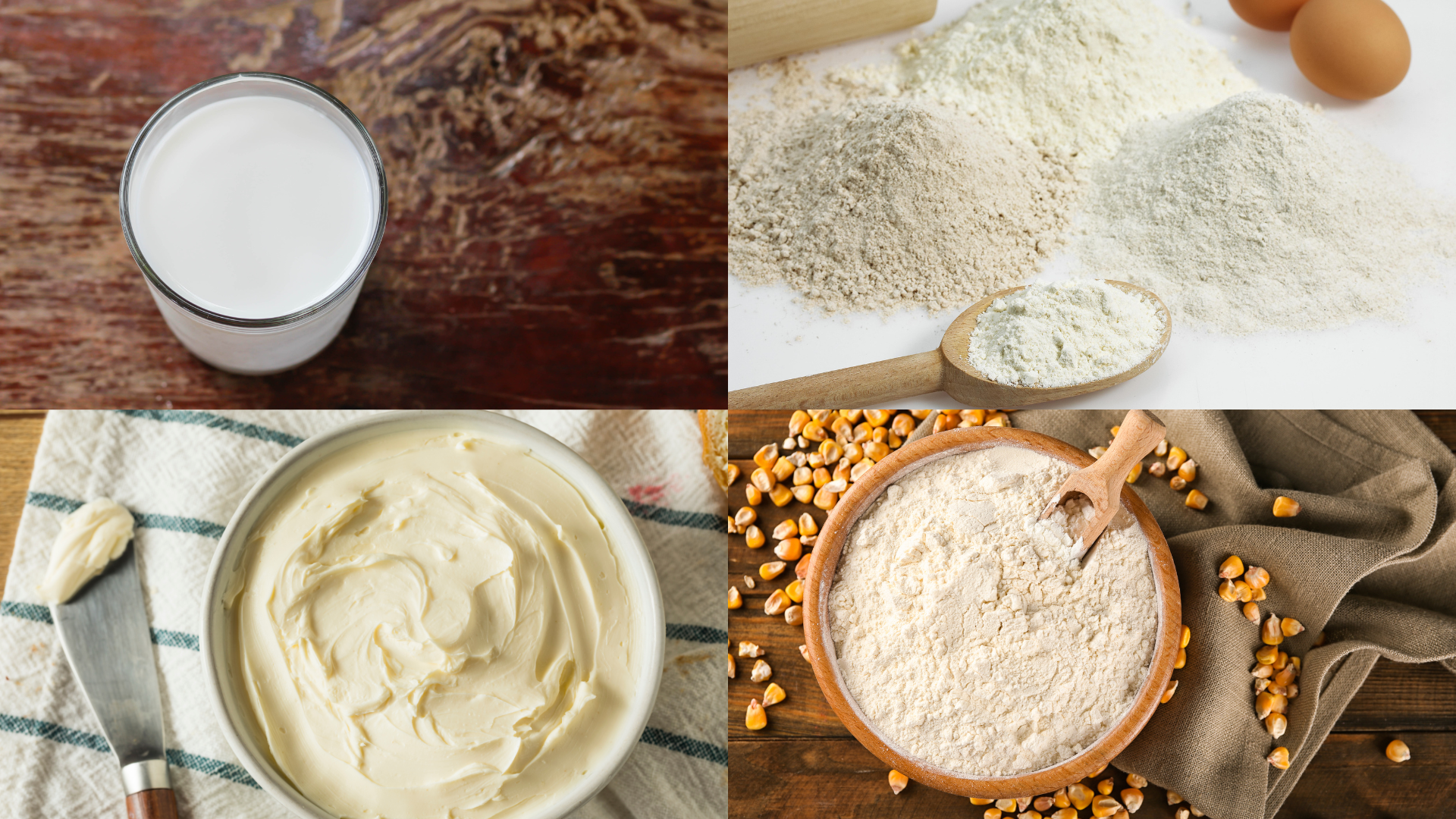
Cream cheese – 250 g, softened Eggs – 4, separated Lemon zest – optional, for brightness |
Heavy cream – 120 ml Cake flour – 60 g, sifted |
|
Sugar – 100 g Whole milk – 100 ml |
Cornstarch – 20 g Vanilla extract – a few drops |
How to make Japanese Cheesecake?
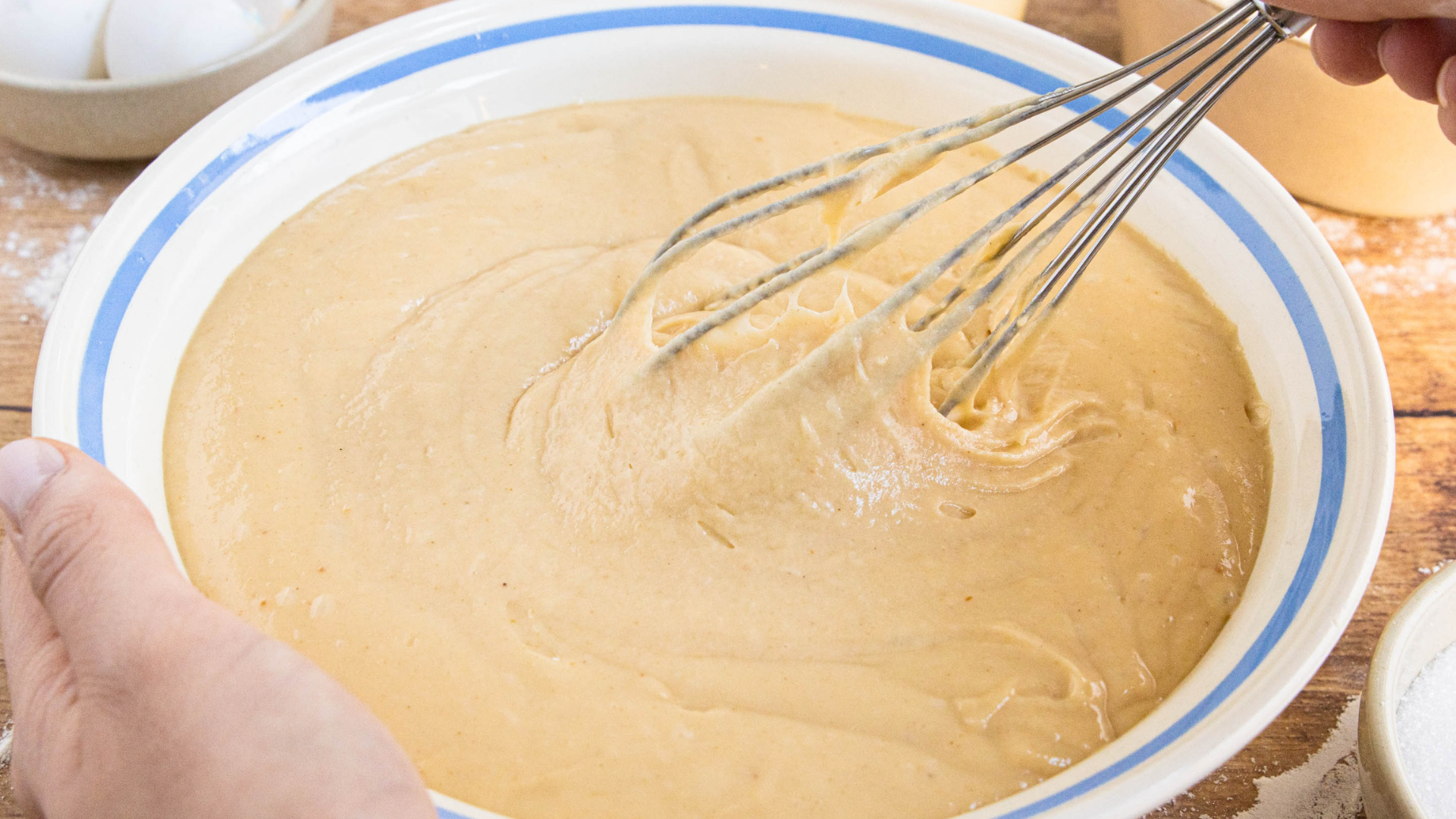
Let’s start with the base. Warm the cream cheese over low heat just until it loosens up—soft, smooth, easy to work with. Add the egg yolks, sugar, and a splash of vanilla, whisking as you go so everything melts together nicely. Now drizzle in the milk a little at a time. No rushing here; slow and steady gives you that silky, custard-like texture. Sift in the cake flour and cornstarch, then mix until the batter looks completely smooth.
Now it’s time for the n2o cream charger to shine. Pour well-chilled heavy cream into your dispenser, connecting with a pressure regulator, and give it a release. What you get is a cloud of perfectly whipped cream—light, velvety, and wonderfully stable. Gently fold this airy cream into the cheese mixture, and you’ll feel the texture change immediately. It becomes softer, silkier, and way more delicate than anything you’d get from regular hand-whipped cream.
In another bowl, whip up the egg whites until they’re glossy and holding those nice shiny peaks. Then gently fold them into your cheese-and-cream mixture—think light scoops, not stirring. Take your time. You’ll see the batter turn pale and fluffy, almost like you’re lifting clouds.
Pour this airy mixture into your lined cake tin. Set the tin inside a larger tray and pour in some hot water around it—just enough for a cozy water bath. This gentle heat keeps the cake from cracking and helps it bake evenly. Let it go low and slow in the oven until the top is lightly golden and the middle still has that soft little wobble when you nudge it.
Let the cake cool right in the tin before you take it out. Once it’s set, slice it with a bit of care. The center should have a gentle tremble—proof that all that air and cream came together to make something incredibly delicate.
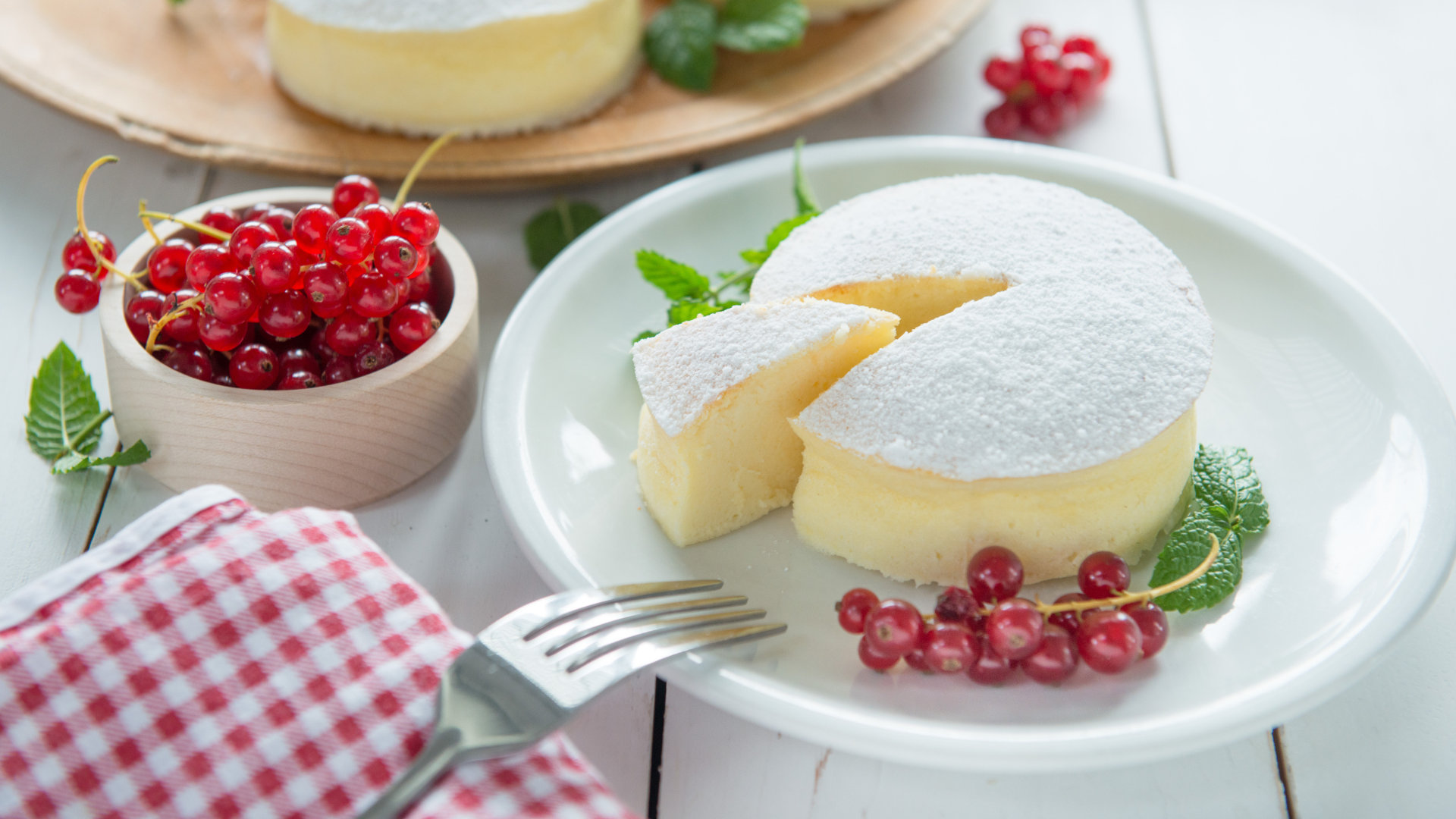
Eating a Japanese cheesecake prepared this way is not merely about satisfying a sweet craving; it feels like experiencing a new texture altogether. It’s lighter than tradition, yet somehow more present—proof that even the most beloved classics still hold room for reinvention. And perhaps that is the true spirit of Japanese cheesecake itself: a dessert born from cultural exchange, still evolving, still surprising us with its quiet poetry.




.png?w=800&h=800)