
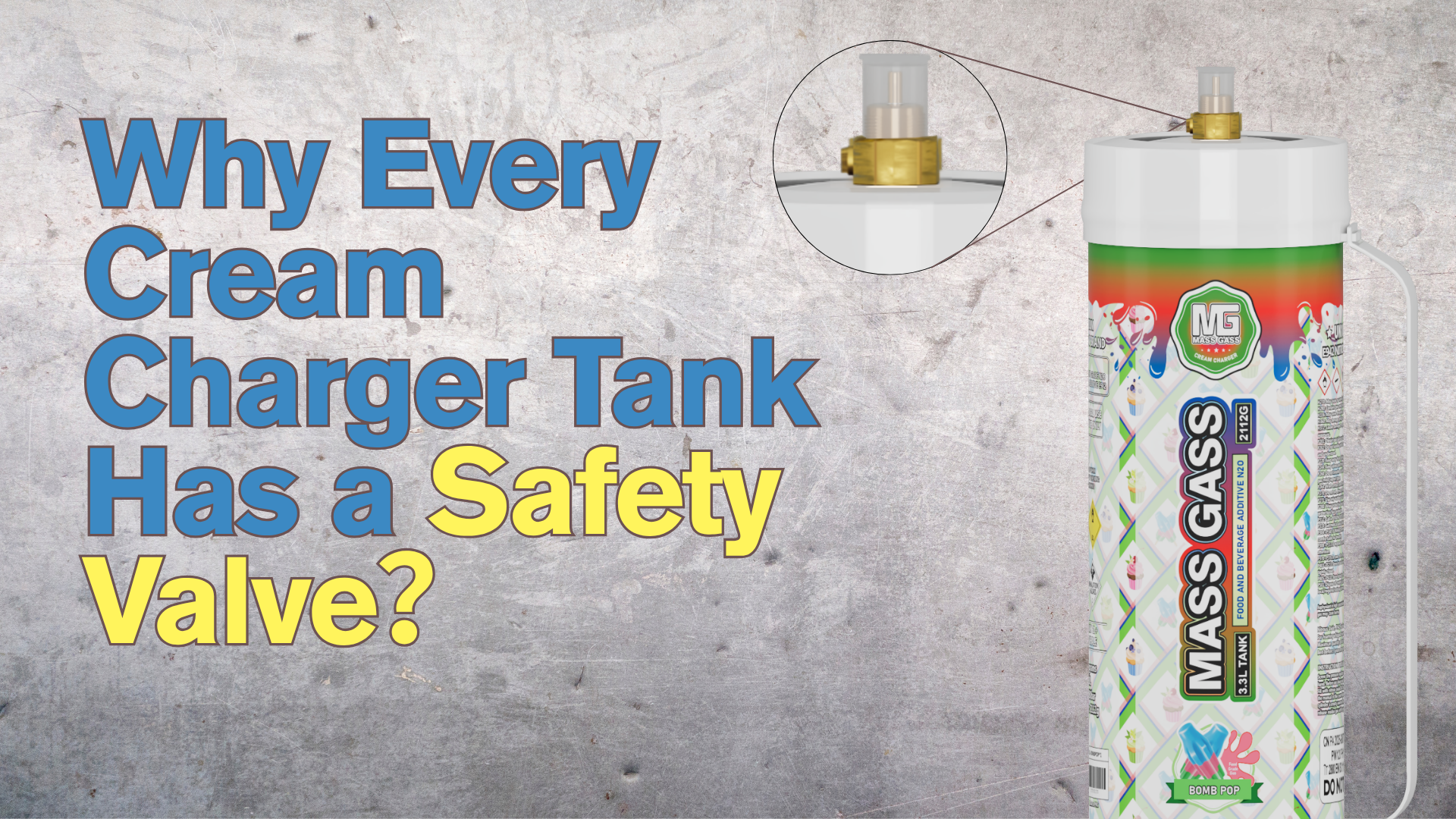
If you've ever used a cream charger tank, you may have noticed a small safety valve built into the cylinder. This component plays a critical role in protecting both the tank and the user. In short, the safety valve is designed to regulate pressure, release excess gas when necessary, and reduce the risk of leaks, equipment failure, or accidents caused by overheating or misuse. Understanding how this safety feature works can help you use your cream charger more safely and extend the life of your equipment.
What Is a Safety Valve?
A safety valve is a built-in pressure protection device installed on many cream charger tanks. Since cream chargers contain compressed nitrous oxide (N2O) under high pressure, manufacturers include safety mechanisms to prevent dangerous pressure buildup inside the tank.
Under normal operating conditions, the valve remains closed and does not interfere with gas flow. However, if internal pressure rises beyond a safe limit, the valve activates automatically and releases a controlled amount of gas. This helps prevent excessive stress on the tank and reduces the risk of damage.
Although users rarely notice the valve during everyday operation, it is one of the most important safety features in any cream charger system.
What Does a Safety Valve Look Like?
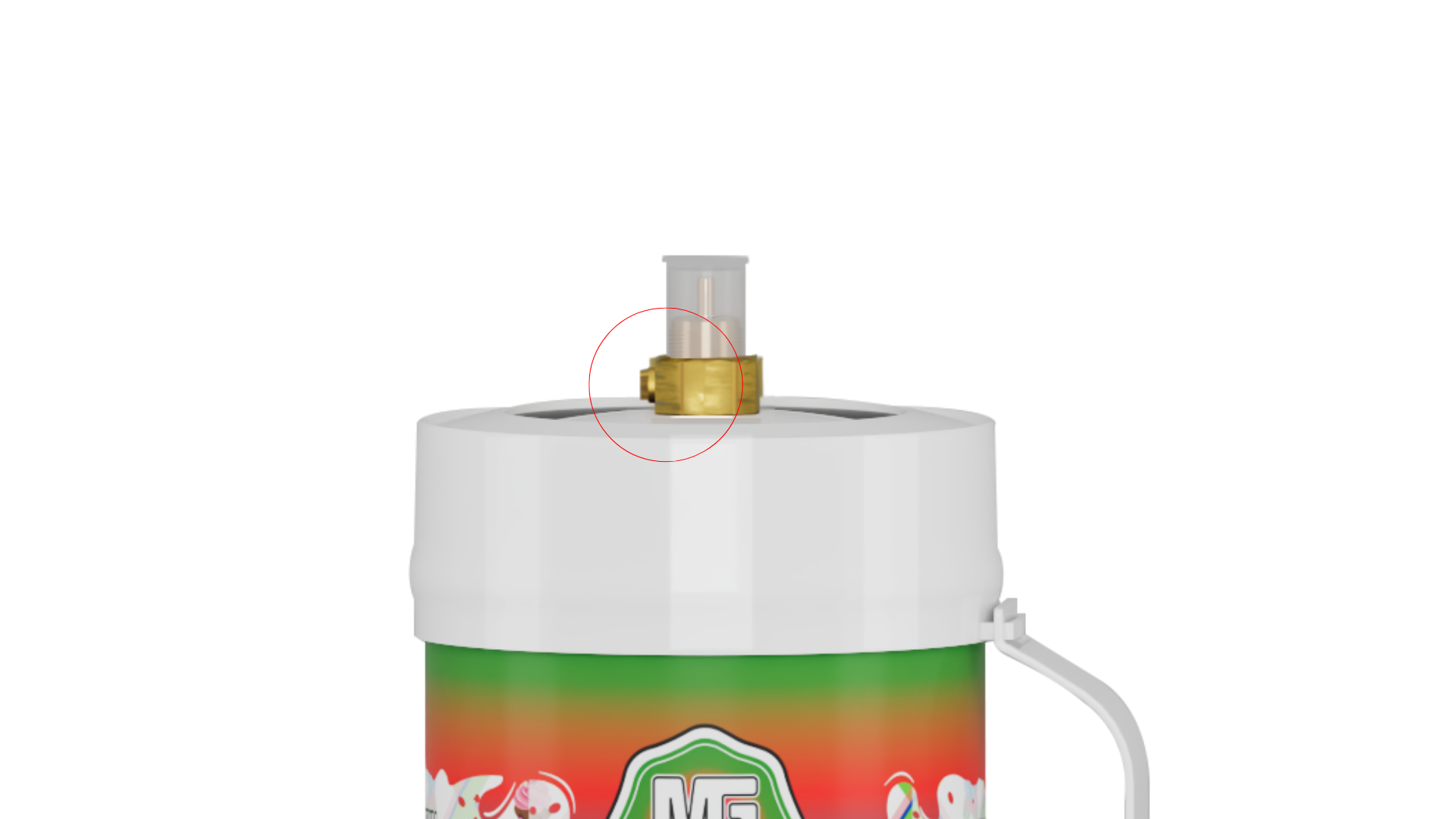
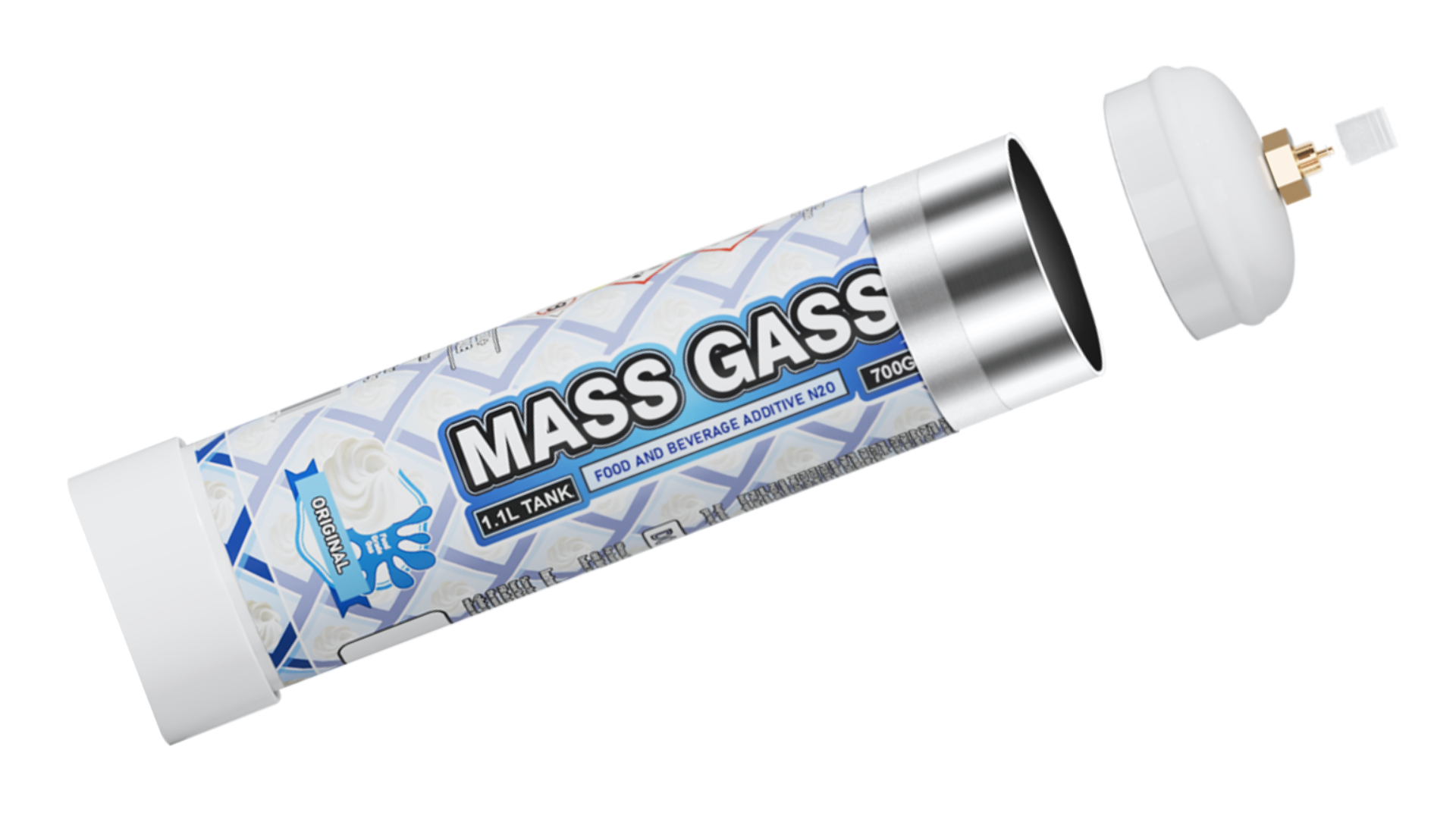
The appearance of a safety valve varies depending on the manufacturer and tank design. On a whipped cream charger tank, the valve is integrated into the main valve assembly near the tank neck or regulator connection point.
It may appear as a small metal plug, pressure-relief disc, or a specially designed component incorporated into the tank valve. Because safety valves are engineered for reliability rather than visibility, many users do not realize they are present until they read the product specifications.
Regardless of its appearance, the purpose remains the same: protecting the tank from unsafe pressure conditions.
What Is the Function of a Safety Valve?
Maintaining Pressure Within a Safe Range
One of the primary functions of a safety valve is pressure regulation. Nitrous oxide expands when exposed to heat, which can increase pressure inside the tank. If the pressure exceeds the tank's design limits, the safety valve acts as a safeguard.
By releasing excess gas before pressure reaches a dangerous level, the valve helps maintain safe operating conditions. This protection is especially important during hot weather or when tanks are stored in areas with fluctuating temperatures.
Acting as a Pressure Relief Safety System
The safety valve serves as the tank's last line of defense against excessive internal pressure. While proper storage and handling help prevent problems, unexpected situations can still occur.
For example, if a tank is accidentally left inside a hot vehicle, placed near a heat source, or exposed to direct sunlight for an extended period, internal pressure can rise significantly. In these cases, the pressure relief mechanism helps prevent structural failure by venting gas in a controlled manner.
This system is designed to activate only under abnormal conditions, which means a properly functioning safety valve should rarely be triggered during normal use.
Preventing Leaks and Potential Explosions
Although cream charger tanks are manufactured to strict safety standards, accidents can happen when equipment is damaged, overheated, or improperly handled.
The safety valve helps reduce risks associated with:
- Physical impacts or drops
- Exposure to high temperatures
- Improper storage conditions
- Overfilling or manufacturing defects
- Incorrect regulator installation
By relieving excessive pressure before it reaches dangerous levels, the valve helps protect users, surrounding equipment, and the tank itself.
What Can Damage or Compromise a Safety Valve?
A safety valve is designed to be durable, but certain behaviors can interfere with its performance.
Attempting to modify, remove, or tamper with the valve is one of the most common causes of safety system failure. Some users mistakenly believe altering the valve will improve gas flow or increase performance, but doing so can eliminate critical safety protections.
Poor storage practices can also create problems. Leaving tanks in direct sunlight, near ovens, heaters, or inside hot vehicles can place excessive strain on pressure-relief components over time.
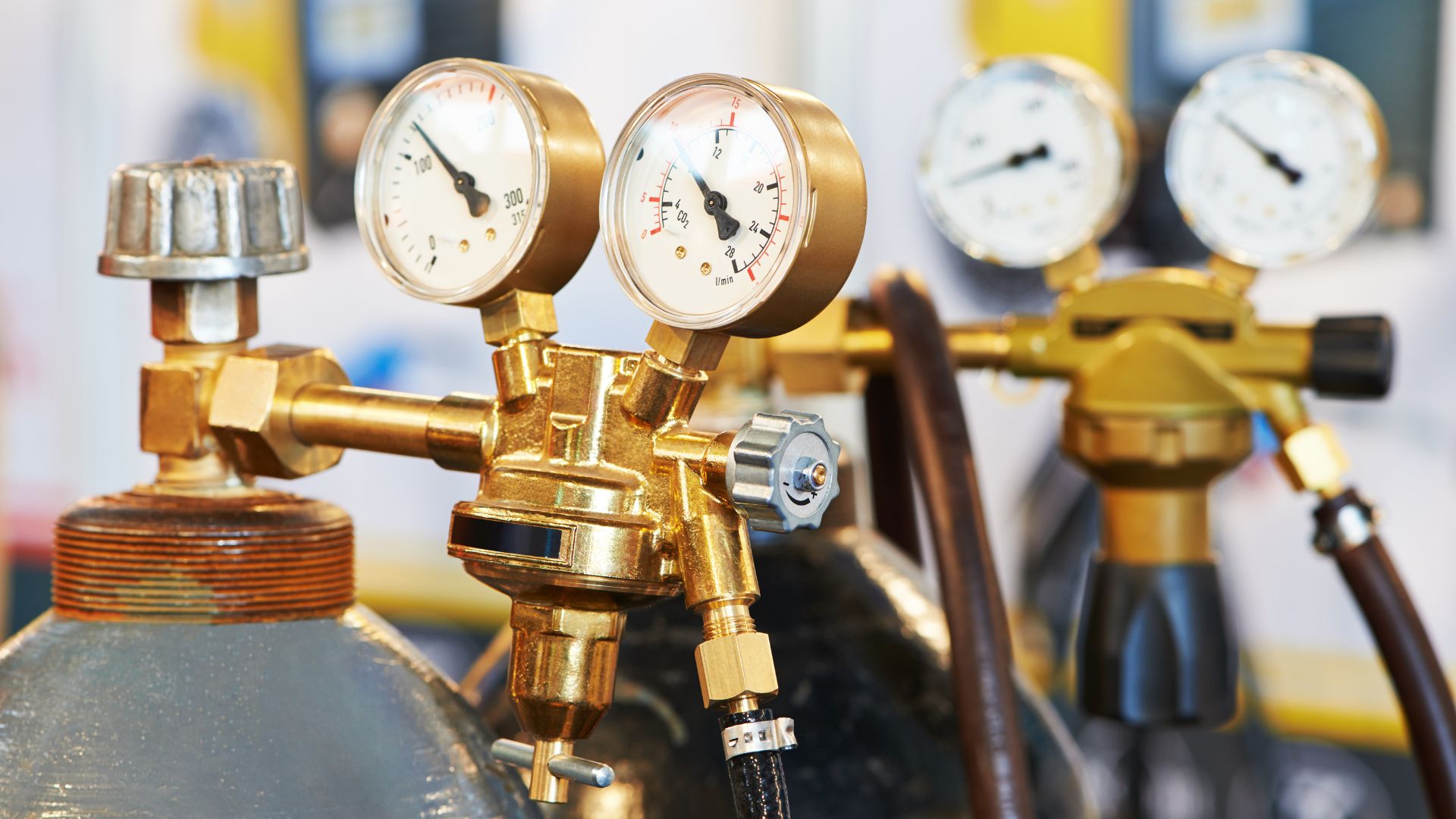
Using incompatible regulators or forcing connections during installation may damage valve assemblies as well. In addition, corrosion, contamination, or physical impacts can affect the valve's ability to function correctly.
For these reasons, tanks should always be inspected regularly and used according to the manufacturer's instructions.
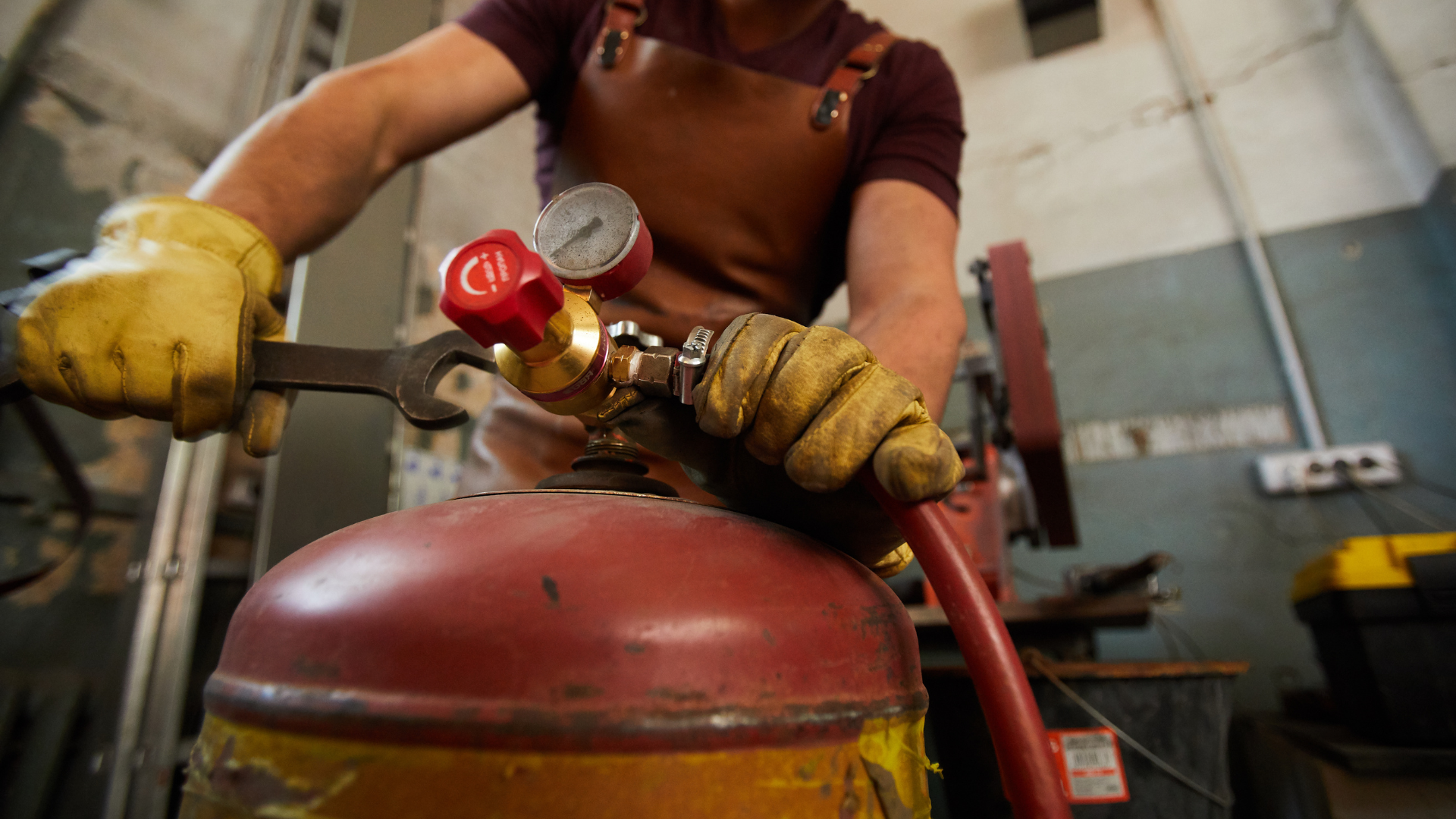
What Should You Do If a Cream Charger Tank Starts Leaking?
A leaking cream charger tank should always be treated seriously.
If you hear a hissing sound, smell unusual odors from nearby equipment, or notice gas escaping from the valve area, stop using the tank immediately. Move the tank to a well-ventilated area away from open flames, sparks, and sources of heat.
Do not attempt to repair the valve yourself. Avoid tightening components excessively or using makeshift sealing materials, as these actions can worsen the problem.
If the leak is minor and appears to originate from a regulator connection, carefully disconnect the equipment following the manufacturer's instructions. If the leak continues or the source cannot be identified, contact the supplier or manufacturer for guidance.
Damaged or leaking tanks should never be reused until they have been properly inspected.
How to Use a Cream Charger Correctly?
Safe operation begins long before the charger is connected to your dispenser.
Always store cream charger tanks in a cool, dry location away from direct sunlight and heat sources. Before use, inspect the tank, valve, and regulator for signs of damage, corrosion, or wear.
When installing a regulator, ensure all connections are compatible and properly secured. Avoid overtightening fittings, which can damage seals and valve components.
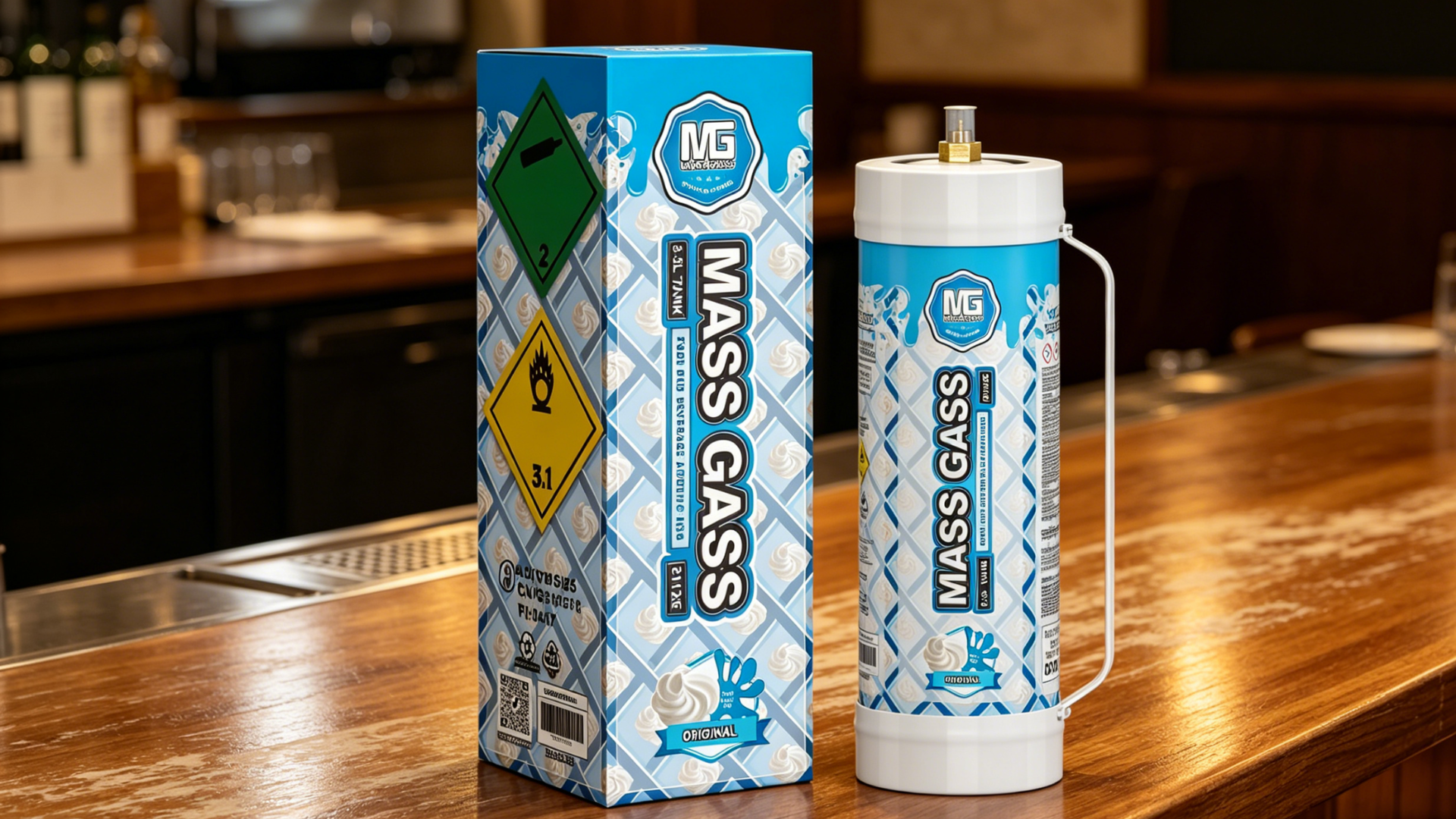
During operation, keep the tank upright whenever possible and follow the recommended pressure settings provided by the manufacturer. Never attempt to modify the tank, bypass safety devices, or use damaged equipment.
After use, close the valve securely and store the tank according to the manufacturer's guidelines. Regular maintenance and proper handling will help ensure both safety and consistent performance.
The safety valve on a cream charger tank is a small component with a very important job. It helps regulate pressure, provides emergency pressure relief, and reduces the risk of leaks, equipment damage, and accidents caused by overheating or misuse. While most users never need to interact with the safety valve directly, understanding its purpose can help you use your cream charger system more safely and confidently. By following proper storage, handling, and maintenance practices, you can maximize both the safety and lifespan of your equipment.



.png?w=800&h=800)