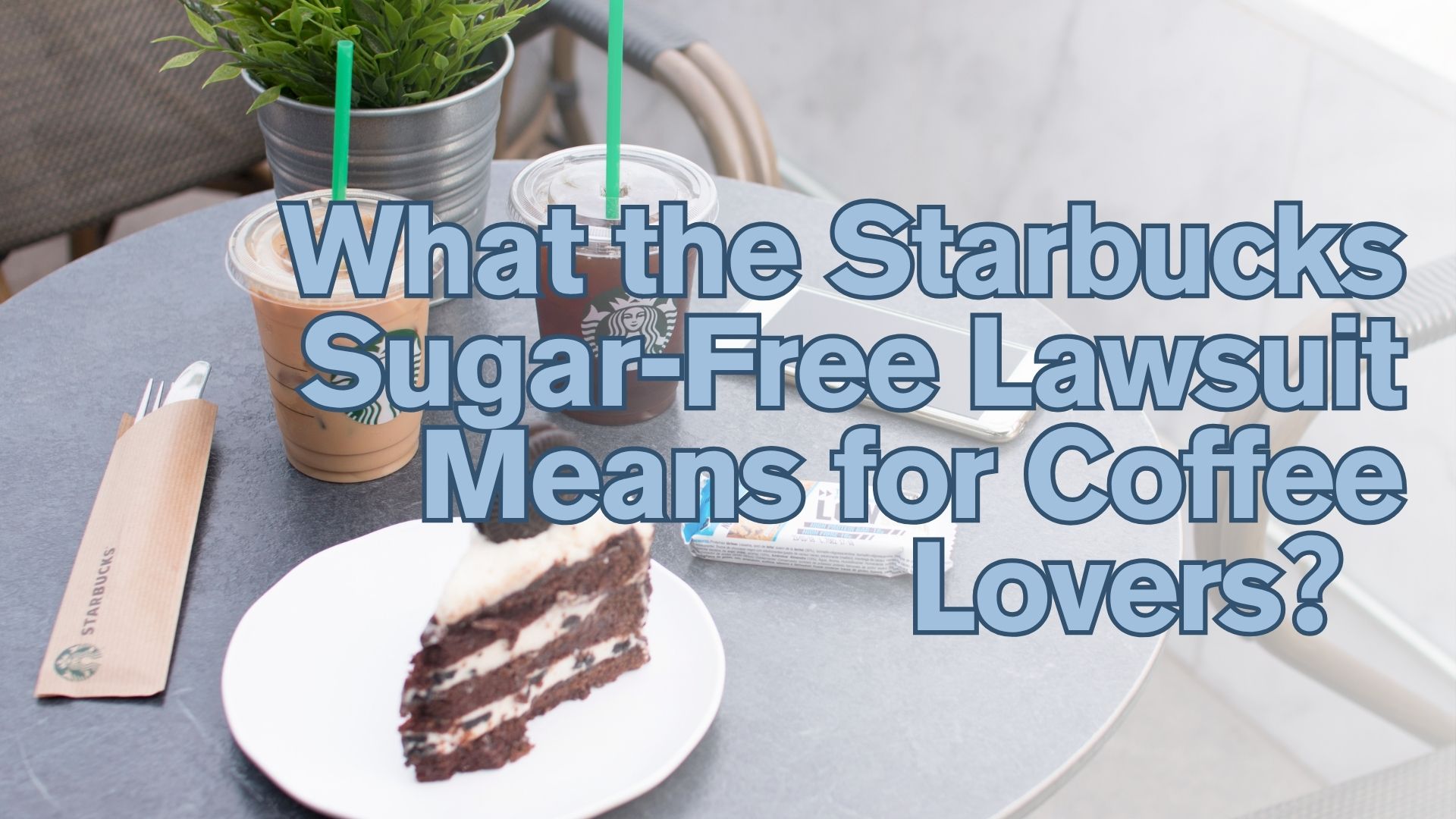
The Starbucks sugar-free lawsuit is a reminder that a drink’s name does not always tell the whole story. Filed in October 2026, the case challenges the way certain Starbucks protein beverages are marketed, raising questions about naturally occurring sugar, ingredient transparency, and what customers expect when they order a sugar-free drink. For coffee lovers, it is also a good reason to look beyond sweetness alone and pay more attention to ingredients, texture, and the little details that make a great coffee or dessert.
What Is the Starbucks Sugar-Free Lawsuit About?
The main issue is the source of that sugar. The plaintiffs argue that the beverages contain lactose, a naturally occurring sugar found in milk, and that calling the finished drinks “sugar-free” could mislead customers. The drinks named in the complaint include vanilla and caramel protein lattes and matcha beverages, in both hot and iced versions. The plaintiffs are seeking damages and changes to how the products are marketed.
Starbucks disputes the allegations. The company says it does not add sugar to these beverages, uses sugar-free syrups, and provides nutritional information through its menus and digital platforms. It also says the sugar comes from the protein-enhanced milk used in the drinks.

As of October 2026, the case remains a legal dispute, not a final finding that Starbucks violated labeling rules. Still, it has sparked a conversation that goes beyond one coffee chain: what should customers reasonably expect when they see the words “sugar-free” on a menu?
For anyone who regularly orders customized coffee, that is a fair question. A drink can sound simple on the menu while containing several ingredients that affect its overall nutritional profile. Understanding what goes into the cup matters just as much as choosing a flavor.
Sugar-Free vs. No Added Sugar: Why the Difference Matters
One thing I have learned from looking more closely at coffee menus is that a few words can make a big difference. “Sugar-free” and “no added sugar” might sound almost identical in everyday conversation, but they do not necessarily mean the same thing.
A sugar-free claim generally means that a product meets a specific nutritional standard. Under U.S. FDA rules, a food or beverage labeled sugar-free generally must contain less than 0.5 grams of sugars per reference amount and per labeled serving, subject to the applicable requirements. A drink containing naturally occurring sugar may therefore present a labeling issue even if the manufacturer has not added conventional sugar.
“No added sugar,” on the other hand, refers to whether sugars have been added during processing or preparation, according to the relevant labeling rules. Milk naturally contains lactose, so a drink made with milk can contain sugar even when the recipe does not include table sugar or a sweetened syrup.
This distinction helps explain why the Starbucks case is more complicated than it might first appear. The plaintiffs argue that the product names create an expectation that the finished beverages contain virtually no sugar. Starbucks maintains that it uses sugar-free flavor syrups and does not add sugar to the drinks. The court will have to address the legal claims rather than simply assume that either interpretation settles the dispute.
For customers, the practical lesson is straightforward: read the nutritional information for the complete drink, not just the description of one ingredient. Milk, protein blends, flavored sauces, toppings, and serving size can all affect the final numbers.
It is also worth remembering that sugar content and total calories are two different things. A beverage with little or no sugar is not automatically low in calories, and a drink containing naturally occurring sugar is not necessarily nutritionally equivalent to one sweetened with large amounts of added sugar. The full ingredient list and nutrition panel provide a more useful picture than a single label.
Consumers Want More Transparency and More Choices
Coffee has become much more personal than it used to be. Some customers want an extra shot of espresso, others prefer plant-based milk, and plenty of people have a favorite combination of syrup, cold foam, and toppings. With so many ways to customize a drink, it makes sense that customers also want to understand what they are ordering.
The Starbucks lawsuit highlights the gap that can sometimes exist between a product's name and a customer's expectations. When someone sees “sugar-free” on a menu, they may assume that the entire beverage contains virtually no sugar. Another customer might interpret the same wording as a reference to the syrup or flavoring. That difference in understanding can become a real problem when nutritional information is important to the person placing the order.
I think coffee shops can learn something from this situation without waiting for a court to resolve the case. Clear descriptions and easy-to-find nutrition information make ordering less confusing. If a drink contains naturally occurring sugar from milk, explaining that distinction can help customers make a more informed choice.
Customization also gives cafes an opportunity to serve different preferences without making every drink taste the same. A customer who wants less sweetness might prefer a stronger coffee flavor, a less-sweet topping, or a different milk option. Someone else might be more interested in a rich, dessert-like drink and have no reason to avoid a sweeter recipe.

The important point is that these options should be described accurately. A vanilla cream topping, for example, should not be presented as sugar-free unless its ingredients and final nutritional profile meet the relevant requirements. Likewise, using a sugar-free syrup does not automatically make the entire drink sugar-free.
For cafes, transparency is not just about avoiding misunderstandings. It can also build trust. Customers are more likely to feel comfortable experimenting with new drinks when they can understand the ingredients and choose the combination that suits them.
How Texture Can Make a Coffee Drink More Interesting?
When people talk about making coffee better, sweetness often gets most of the attention. But flavor is only one part of the experience. Texture, aroma, temperature, and presentation can change how a drink feels and tastes, sometimes without adding another pump of syrup.
Think about the difference between a regular iced latte and one finished with a smooth layer of whipped cream. The coffee itself may be exactly the same, but the creamy topping creates a different contrast with the cold drink underneath. A light vanilla cream can bring a soft aroma, while a cocoa or cinnamon topping can make a familiar coffee feel more like a dessert.
This is one reason I find cream-based toppings so interesting in cafe drinks. They offer another way to build flavor and texture instead of relying entirely on sweetness. A well-made whipped cream should feel light and smooth rather than heavy or grainy, and it can add a pleasing contrast to espresso, cold brew, hot chocolate, or a dessert served alongside coffee.
There is plenty of room to experiment, too. A cafe might serve a cinnamon cream topping with an iced latte, a cocoa-flavored cream with a mocha, or a lightly sweetened vanilla cream alongside a slice of chocolate cake. Seasonal flavors can make these combinations even more appealing, especially during autumn and winter, when customers often gravitate toward warmer, richer flavor profiles.
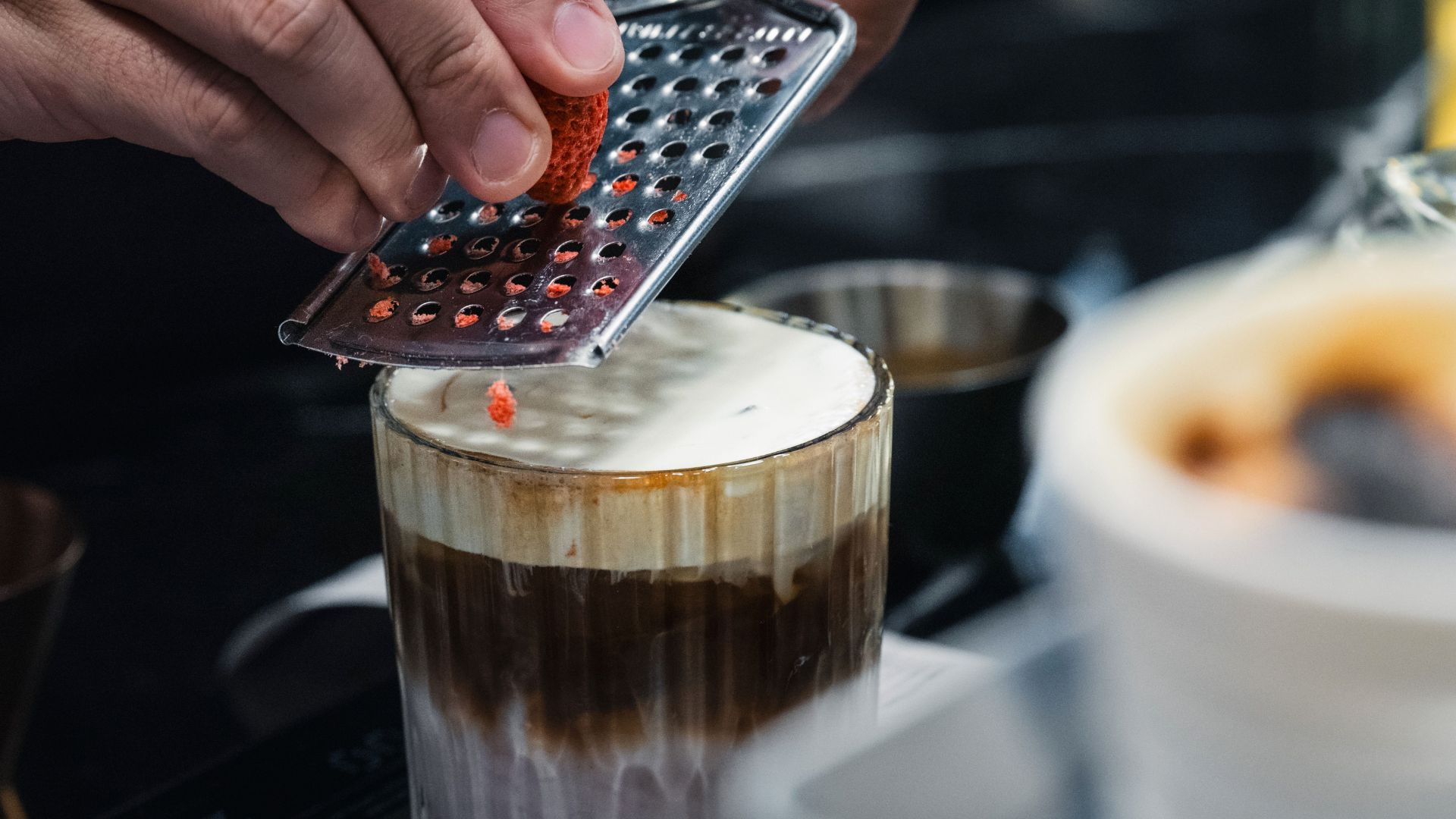
Of course, a creamy topping is not automatically a lower-sugar option. Traditional cream contains fat and calories, while sweeteners and flavoring ingredients can add sugar. Anyone developing a reduced-sugar menu needs to consider the complete recipe rather than assume that changing the topping solves everything.
The more useful takeaway is that sweetness is only one tool in beverage development. Coffee shops can create a more memorable drink by balancing bitterness, aroma, creaminess, and temperature, then using sweeteners thoughtfully rather than treating them as the main source of flavor.
Where Cream Chargers Fit Into Modern Coffee Preparation?
For cafes that serve whipped cream regularly, consistency matters. A topping that looks great on the first drink but collapses on the next few orders makes service harder, especially during a busy morning or afternoon rush. This is where a cream charger can be useful.
A nitrous oxide canister is a pressurized container of food-grade nitrous oxide designed for use with a compatible whipped cream dispenser. When the dispenser is used according to its instructions, the gas helps aerate the cream, producing a light, smooth texture that can be piped or dispensed onto drinks and desserts.
In a cafe setting, this can make it easier to prepare fresh whipped cream for iced lattes, mochas, hot chocolate, milkshakes, and dessert plates. Instead of treating whipped cream as an occasional decoration, a barista can use it as part of a more considered menu, with different flavor combinations suited to different drinks.
For example, a cafe could develop a cinnamon cream topping for an autumn latte, a cocoa cream for a chocolate drink, or a vanilla cream to serve with brownies and cheesecakes. The same basic preparation technique can support several menu items, while the ingredients and flavor profile can be adjusted for each recipe.
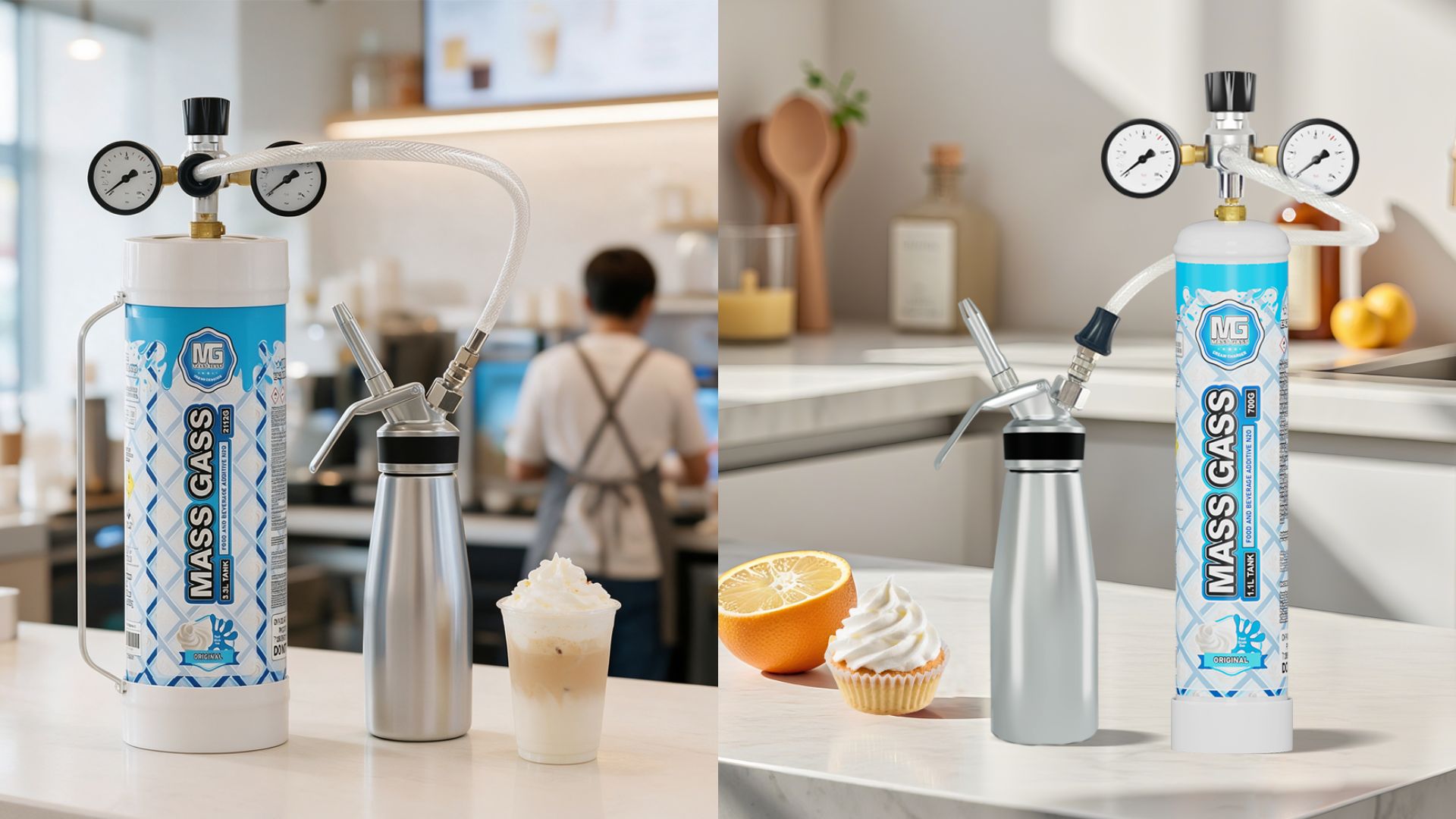
For home cooks, the same idea applies on a smaller scale. If you enjoy making coffee at home, a compatible whipped cream dispenser can help you prepare fresh toppings for weekend lattes, homemade frappes, or desserts for friends and family. It offers a way to explore cafe-style presentation without needing a professional espresso bar.
There is an important distinction here, though: a whip cream charger tank is a preparation tool, not a sugar-reduction product. It does not remove sugar from cream or make a recipe healthier by itself. The final nutritional profile depends on the ingredients you use, including the cream, sweeteners, and flavorings.
Anyone using a cream charger should follow the manufacturer's instructions and use only compatible equipment and food-grade chargers intended for that purpose. Pressurized chargers should never be inhaled or used with equipment that is not designed for them.
A Better Approach to Coffee Customization
For customers, the answer begins with looking beyond a product name. Checking the nutrition panel, understanding the difference between naturally occurring and added sugars, and considering the complete recipe can help avoid surprises. It is also worth remembering that sugar, calories, and overall nutritional value are related but distinct considerations.
For coffee shops, the opportunity is to make menu choices clearer while continuing to develop drinks that people genuinely enjoy. Accurate descriptions, accessible ingredient information, and thoughtful customization can coexist with creativity. A drink does not need to be overloaded with syrup to feel special, and a carefully prepared cream topping can add texture and presentation to a well-balanced recipe.
That is where tools such as cream chargers have a place in modern coffee preparation. They help cafes and home cooks create fresh whipped cream for drinks and desserts, opening up possibilities for new flavors and more consistent presentation. The key is to describe those creations honestly and make sure that the ingredients match any nutritional claims made about them.
Ultimately, the Starbucks case is about more than a single menu label. It is a reminder that customers deserve to understand what they are buying, while coffee shops have plenty of ways to make their drinks distinctive through flavor, texture, and preparation. Whether you prefer a simple black coffee, a customized protein latte, or an iced mocha topped with fresh whipped cream, knowing what goes into your cup makes the experience better.


.png?w=800&h=800)