

A recent butter recall in the United States is a reminder that food safety starts long before a meal reaches the table. From checking ingredients and storing dairy products properly to keeping kitchen equipment clean, small habits can make a real difference when preparing food at home. If you enjoy making whipped cream for coffee, cakes, or desserts, understanding these basics can help you build a safer and more reliable kitchen routine.
1. What Happened in the Recent Butter Recall?
Why Was the Product Recalled?
In October 2026, the U.S. Food and Drug Administration (FDA) classified a recall involving Miyoko’s Creamery European Style Salted Plant Milk Butter after concerns about potential contamination with yeast, mold, and E. coli. The recall, initiated by Prosperity Organic Foods, affected more than 1,300 cases of the product distributed across 10 states, including Florida, Georgia, Illinois, New Jersey, and Wisconsin.
The incident highlights an important point: even products that look normal may not always be safe to eat. Yeast and mold can cause spoilage, while certain strains of E. coli can cause foodborne illness. Appearance and smell alone are not reliable ways to determine whether a food is safe.
2. Why Proper Food Storage and Clean Equipment Matter
Start With Fresh Ingredients
Whether you're making whipped cream for a birthday cake or adding a topping to your morning coffee, ingredient quality matters. For dairy-based whipped cream, choose a product intended for whipping, check the packaging, and keep it refrigerated according to the label. Once opened, follow the manufacturer's storage guidance and use the cream within the recommended period.
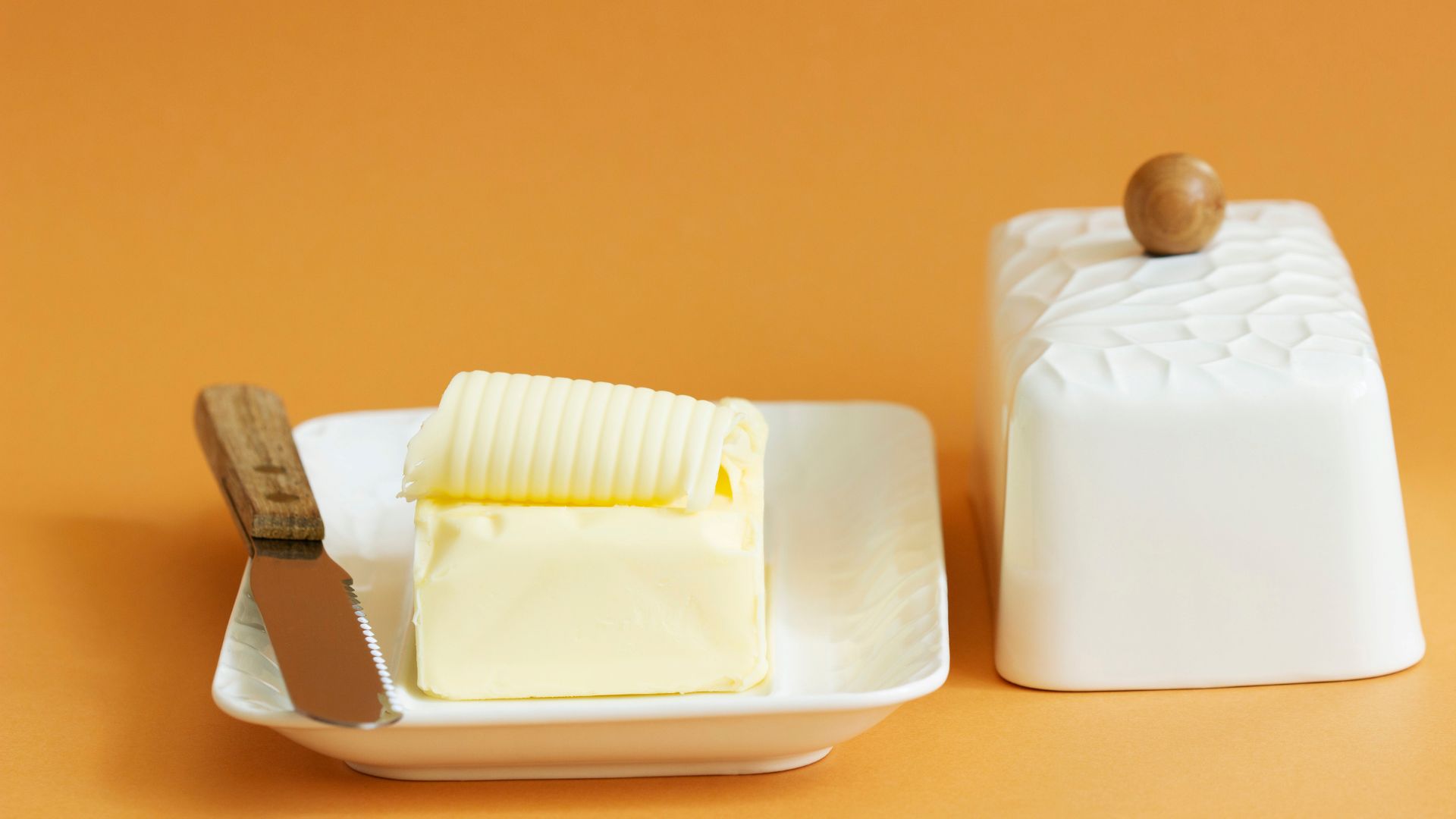
Plant-based alternatives also deserve the same care. Different products have different ingredients and storage requirements, so don't assume that a longer shelf life or a different ingredient list means a product is automatically safer. Always follow the instructions on the package.
Temperature is particularly important for perishable foods. Leaving cream on the counter for an extended period can allow harmful microorganisms to grow. As a general rule, perishable foods should not remain at room temperature for more than two hours, or one hour when temperatures exceed 90°F. If you've been preparing desserts for a party, return unused cream to the refrigerator promptly instead of leaving it out until everything is finished.
Keep Your Whipping Tools Clean
Ingredients are only one part of the equation. Mixing bowls, whisks, piping tips, and dispenser components can also introduce unwanted contaminants if they haven't been cleaned properly.
Before preparing whipped cream, wash your hands and make sure all food-contact equipment is clean. Follow the manufacturer's instructions for cleaning your whipped cream dispenser, especially around the lid, nozzle, seals, and other removable components. Allow parts to dry as directed before reassembling them.
It's also worth keeping raw ingredients separate from ready-to-eat foods. A clean work surface and a few minutes spent washing equipment can make dessert preparation more straightforward and help reduce the risk of cross-contamination.
Good equipment hygiene isn't complicated, but it is easy to overlook when you're in a hurry to finish a cake or serve drinks to guests.
3. How to Make Fresh Whipped Cream at Home
Choose the Right Cream and Keep It Cold
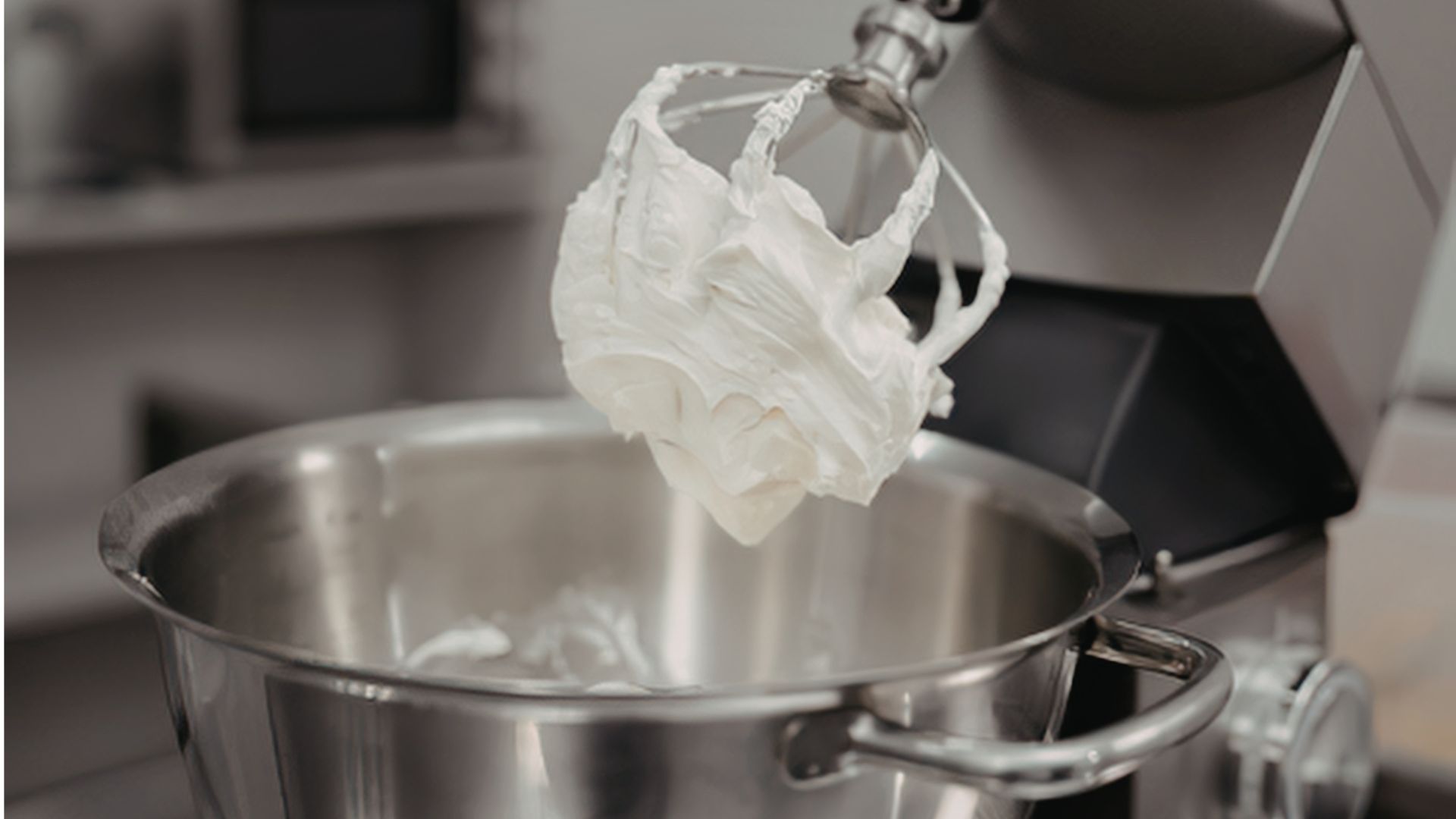
Good whipped cream starts with the right ingredients. For traditional homemade whipped cream, heavy cream or heavy whipping cream is generally a reliable choice because its fat content helps create a stable, airy texture. Keep the cream cold before whipping, and chill your mixing bowl and whisk if you're using a conventional mixer.
If you prefer a sweeter topping, add a little sugar and vanilla extract. Start with a modest amount and adjust to taste. For fruit desserts, a lightly sweetened cream often works well, while a richer topping can complement chocolate cake or hot cocoa.
Pay attention to texture as you whip. For a soft topping, stop when the cream forms gentle peaks. If you need firmer peaks for piping onto cupcakes, continue whipping carefully. Overwhipping can make the texture grainy and eventually cause the fat to separate, so it's worth keeping an eye on the bowl rather than walking away.
Use a Cream Charger for a Convenient, Consistent Texture
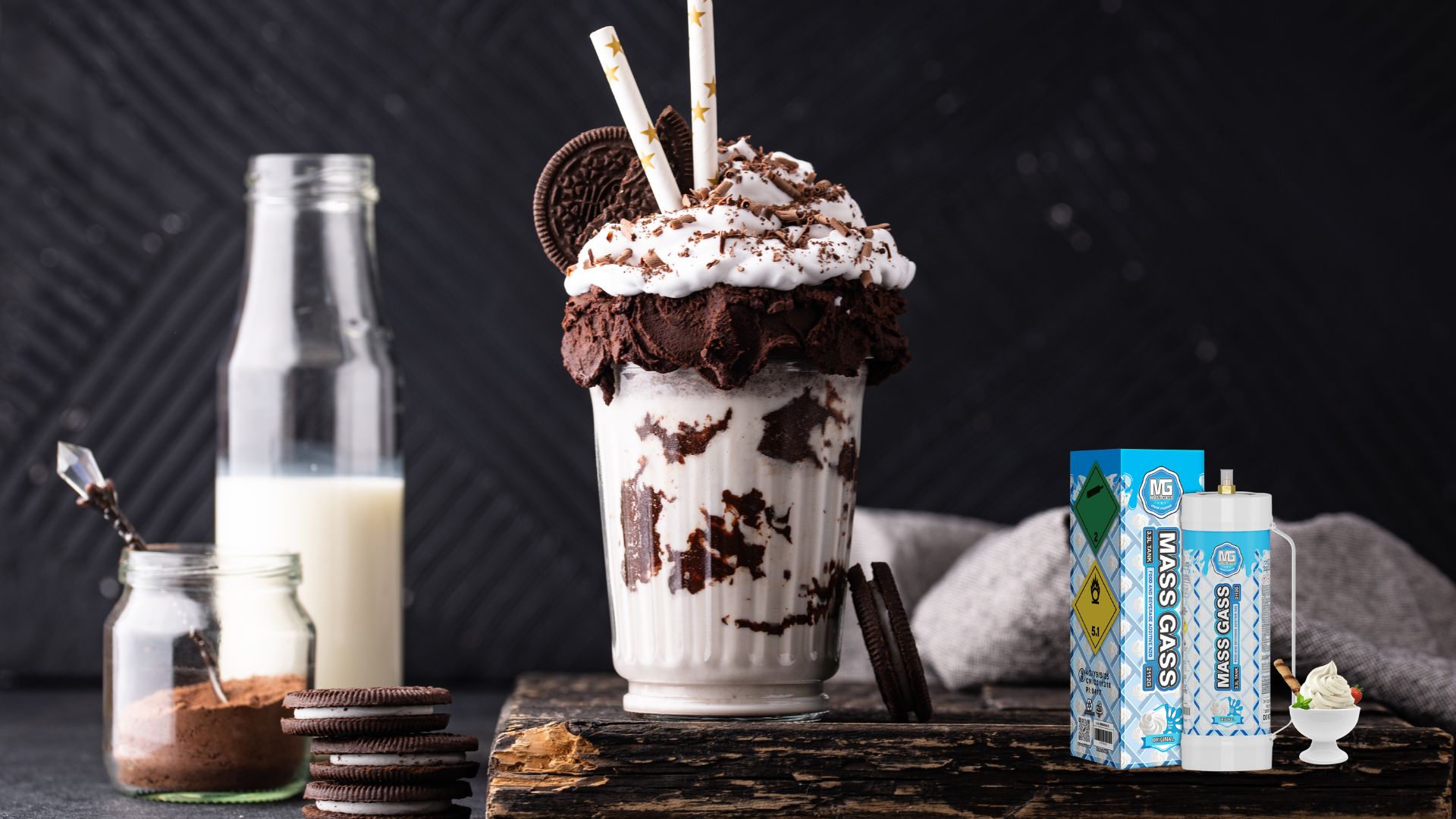
If you make whipped cream regularly, a whipped cream dispenser paired with a compatible whipped cream charger tank can be a convenient alternative to a hand mixer. Instead of whipping the cream with a whisk, the dispenser uses food-grade nitrous oxide (N₂O) to help create a light, airy texture when the system is used correctly.
This setup is especially useful when you want to add whipped cream to several servings of coffee, hot chocolate, pancakes, or individual desserts. It can also make decorating easier when you want a neat finish without repeatedly mixing a fresh batch.
4. Simple Ways to Enjoy Homemade Whipped Cream More Safely
Make Only What You Need
One easy habit is to prepare a reasonable amount of whipped cream rather than making more than you can use. This helps reduce waste and makes it easier to manage leftovers. If you're preparing desserts for a gathering, consider making smaller batches as needed instead of leaving a large bowl of cream on the counter throughout the event.
If you use a whipped cream dispenser, follow its instructions for refrigeration, storage time, and cleaning. Do not assume that a sealed dispenser can be stored at room temperature or that its contents will remain safe indefinitely. The appropriate storage method depends on the ingredients and the specific dispenser.
Pay Attention to Leftovers
Whipped cream is a perishable food, so leftovers need to be handled carefully. Refrigerate them promptly, use them within the recommended storage period, and discard cream that has been left out too long or handled improperly. If you're unsure how long a batch has been sitting at room temperature, it's safer not to serve it.
The same principle applies to desserts topped with whipped cream. Cakes, pastries, and drinks containing perishable cream may require refrigeration, even if the base dessert would normally keep well at room temperature.
For anyone who enjoys experimenting with homemade desserts, these simple habits can help make the process more enjoyable without adding unnecessary complexity.
5. A Safer Kitchen Makes Better Desserts
The recent butter recall is a useful reminder that food safety is not just a concern for manufacturers and retailers. It also matters in everyday kitchens, where ingredient selection, storage, and equipment hygiene all play a role in preparing food responsibly.
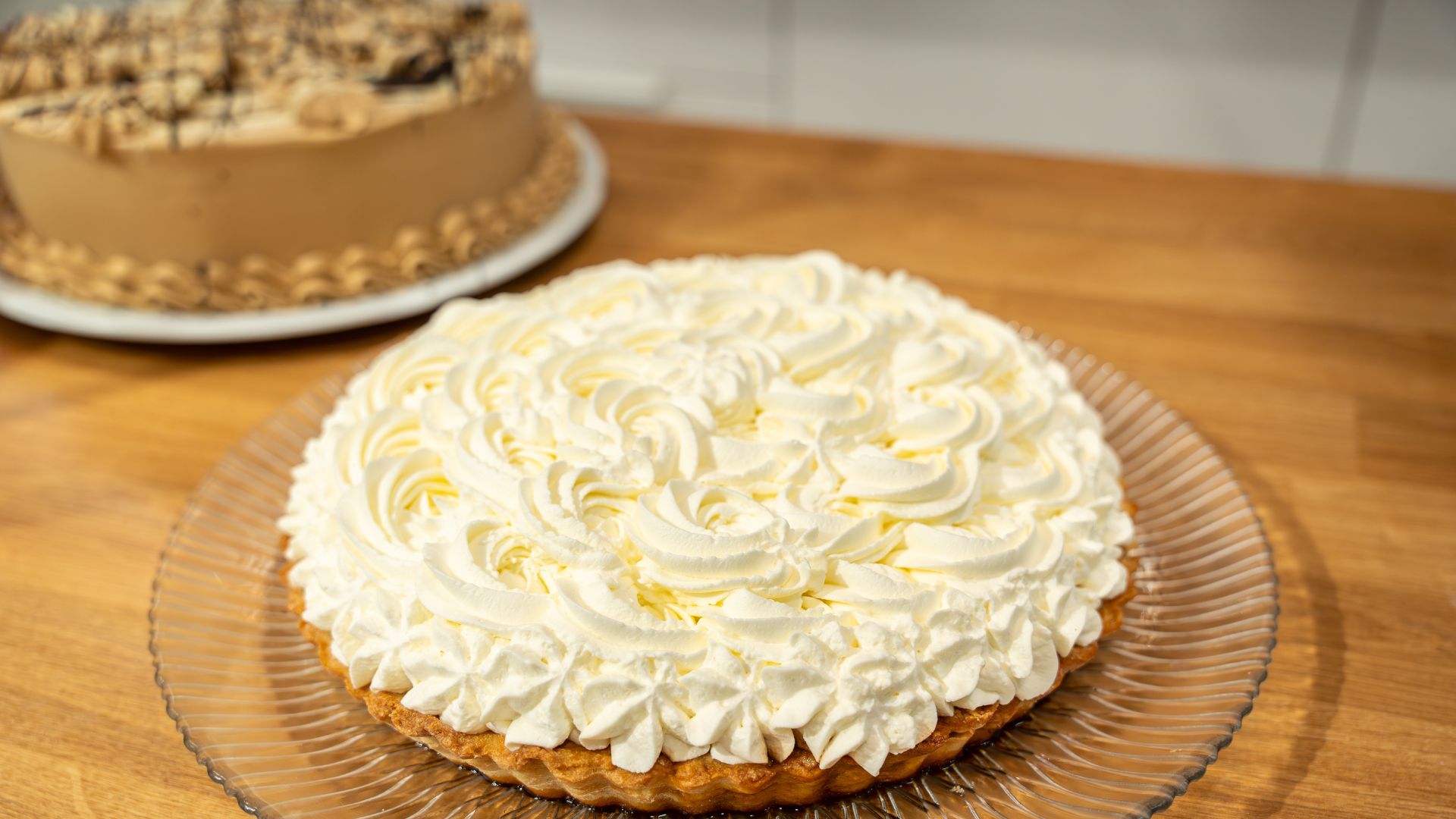
When making whipped cream, start with properly stored ingredients, keep your tools clean, and handle leftovers with care. If you enjoy making café-style drinks and homemade desserts, a compatible cream charger and whipped cream dispenser can make it easier to prepare a light, consistent topping for different occasions.
Ultimately, the best homemade desserts come from combining good ingredients with good habits. You don't need an elaborate kitchen or complicated techniques to make something delicious. A little preparation, the right tools, and attention to food safety can go a long way.