Food safety is always a top priority for any dessert enthusiast or cafe owner. From time to time, we hear questions like: “can whipped cream charger make sick” As a trusted manufacturer of food-grade cream chargers, we believe it’s important to address this concern with clear, science-based information.
What’s Inside a Cream Charger?
Each cream charger contains high-purity, food grade nitrous oxide . This gas is widely used in the food industry to whip cream, create foams, and add texture to desserts and beverages. Nitrous oxide is non-toxic and does not promote bacterial growth, making it inherently safe for culinary use.

Difference between Food-Grade and Industrial-Grade Nitrous Oxide
Not all nitrous oxide is created equal — and when it comes to food, the difference between food-grade and industrial-grade matters more than you might think.
Purity Levels
- Food-Grade N2O:Typically 99.9% pure, with extremely low levels of impurities. Every batch is filtered and tested to meet strict food safety standards.
- Industrial-Grade N2O:Purity can range from 95%–99%, with fewer controls on contamination. It may contain trace chemicals that are harmless for industrial use but unsafe for human consumption.
Impurities and Safety
- Food-Grade: Specifically refined to remove harmful residues such as nitrogen oxides, sulfur compounds, heavy metals, or lubricants.
- Industrial-Grade: May contain lubricating oil residues, metal particles, or chemical byproducts from manufacturing — substances that should never come into contact with food.
Manufacturing Environment
- Food-Grade: Produced and packaged in hygienic, food-safe facilities using stainless steel equipment designed to prevent contamination.
- Industrial-Grade: Manufactured in standard industrial environments where food safety protocols are not followed.
Intended Use
- Food-Grade: Approved for culinary applications like whipping cream, creating foams, and preserving food.
- Industrial-Grade: Designed for automotive performance systems, chemical production, or lab testing — never for direct contact with food.

Can Nitrous Oxide Cause Food Poisoning?
Simply put — no. Food poisoning occurs when harmful bacteria, viruses, or toxins contaminate food and multiply to levels that can cause illness when ingested. Common culprits include pathogens like Salmonella, E. coli, and Listeria. These microorganisms thrive in improperly stored or handled food, especially dairy products like cream if left at unsafe temperatures.
Nitrous oxide, on the other hand, is an inert, colorless gas used in the food industry primarily as a whipping agent. When food-grade N₂O is used correctly in cream chargers, it does not introduce bacteria, viruses, or toxins into the food. It simply dissolves into the cream under pressure, creating light, fluffy textures without compromising food safety.
In essence, nitrous oxide is similar to clean air in that it does not promote bacterial growth or cause contamination. Provided the cream and equipment are handled and stored properly, using food-grade N2O will not cause or increase the risk of foodborne illness.
Therefore, the risk of food poisoning is linked to ingredient quality, hygiene, and storage conditions—not the nitrous oxide gas used in cream chargers. Maintaining these safety standards ensures delicious, safe whipped cream every time.
Where the Real Risk Comes From?
If food poisoning occurs when using a cream charger, the cause is almost always unrelated to the gas itself. The real risks include:
Contaminated ingredients — such as spoiled cream or unwashed fruits.
Improper storage — leaving dairy products at room temperature for too long.
Unclean equipment — residue in dispensers or nozzles can harbor bacteria.
Safe Usage Tips
Use Fresh, Quality Cream
Start with fresh heavy cream straight from the fridge. Give it a quick smell and shake before using — it should be smooth and slightly sweet. Better cream means better texture and flavor.
Keep Everything Cold
Cold cream whips better. Don’t let it sit on the counter too long, and always store your filled dispenser in the refrigerator. Treat it like milk — if it belongs in the fridge, put it back there.
Clean Right After Use
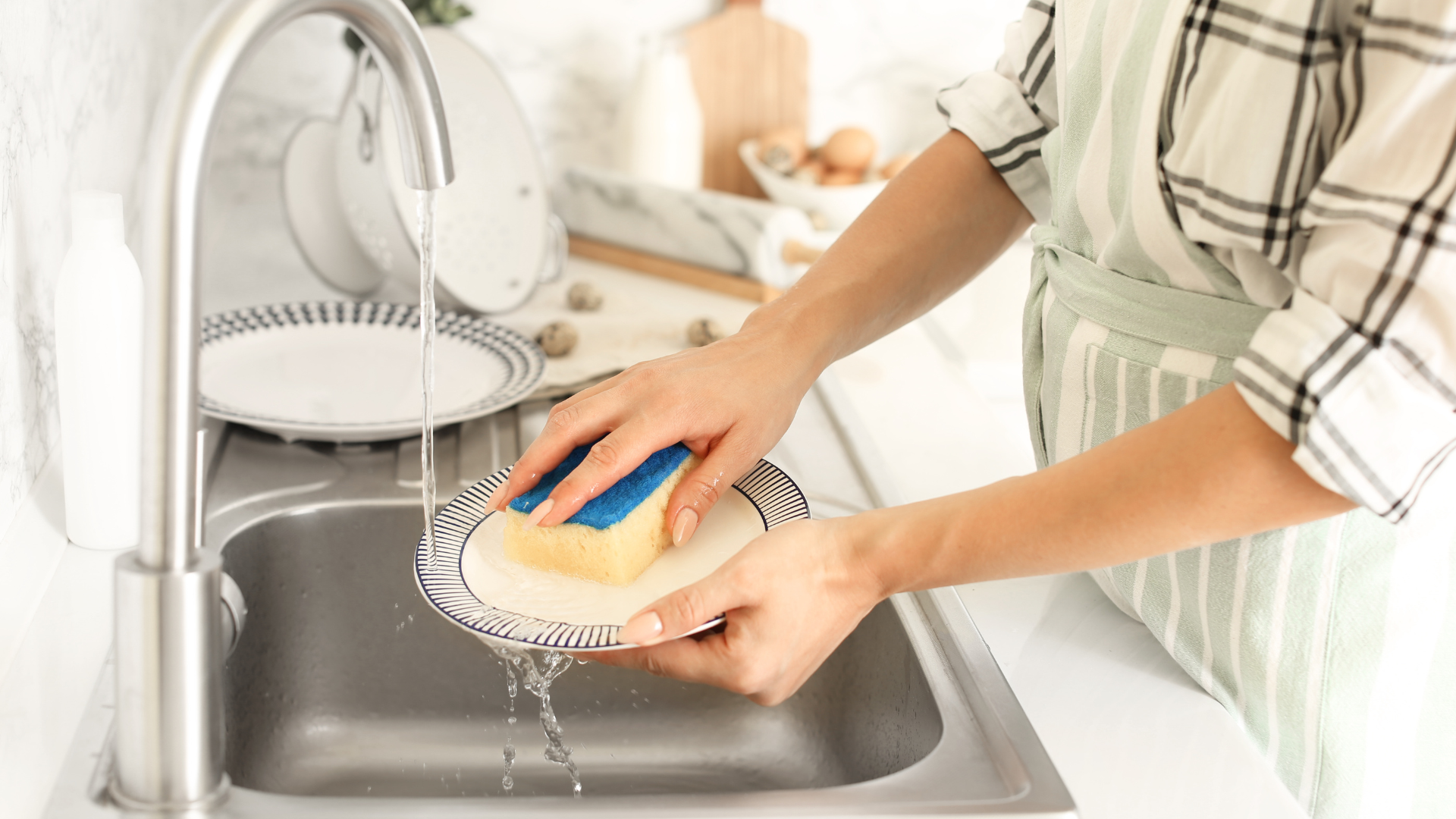
Rinse and wash your dispenser as soon as you’re done. Dried cream inside the nozzle can be stubborn later. A quick clean now saves time next time.
Choose Reliable Food-Grade Chargers
Stick with trusted, certified food-grade N₂O chargers. Good-quality chargers give smooth, consistent results — without messy surprises.
Cream chargers themselves do not cause food poisoning. Safe ingredients, proper storage, and clean equipment are the keys to keeping your desserts safe.




.png?w=800&h=800)