
If you’ve ever stood in the kitchen, frustrated that your whipped cream is more soup than cloud.Whether you're using a mixer, hand-whipping, or a cream dispenser, getting that perfect fluffy texture can be tricky. In this guide, we'll break down the common reasons your cream isn’t coming out fluffy—and exactly how to fix them.
Are You Using the Right Type of Cream?
Not all creams deliver the same results. Different types of cream serve different purposes. If you want the best, light, and fluffy whipped cream, it’s best to choose heavy cream with 36% fat — the ideal choice for chefs.Regular whipping cream (around 30% fat) can work, but it doesn’t hold volume as well.
Pro Tip: Avoid ‘’light cream’’or half-and-half—they simply don’t whip.
Is Your Cream Cold Enough?
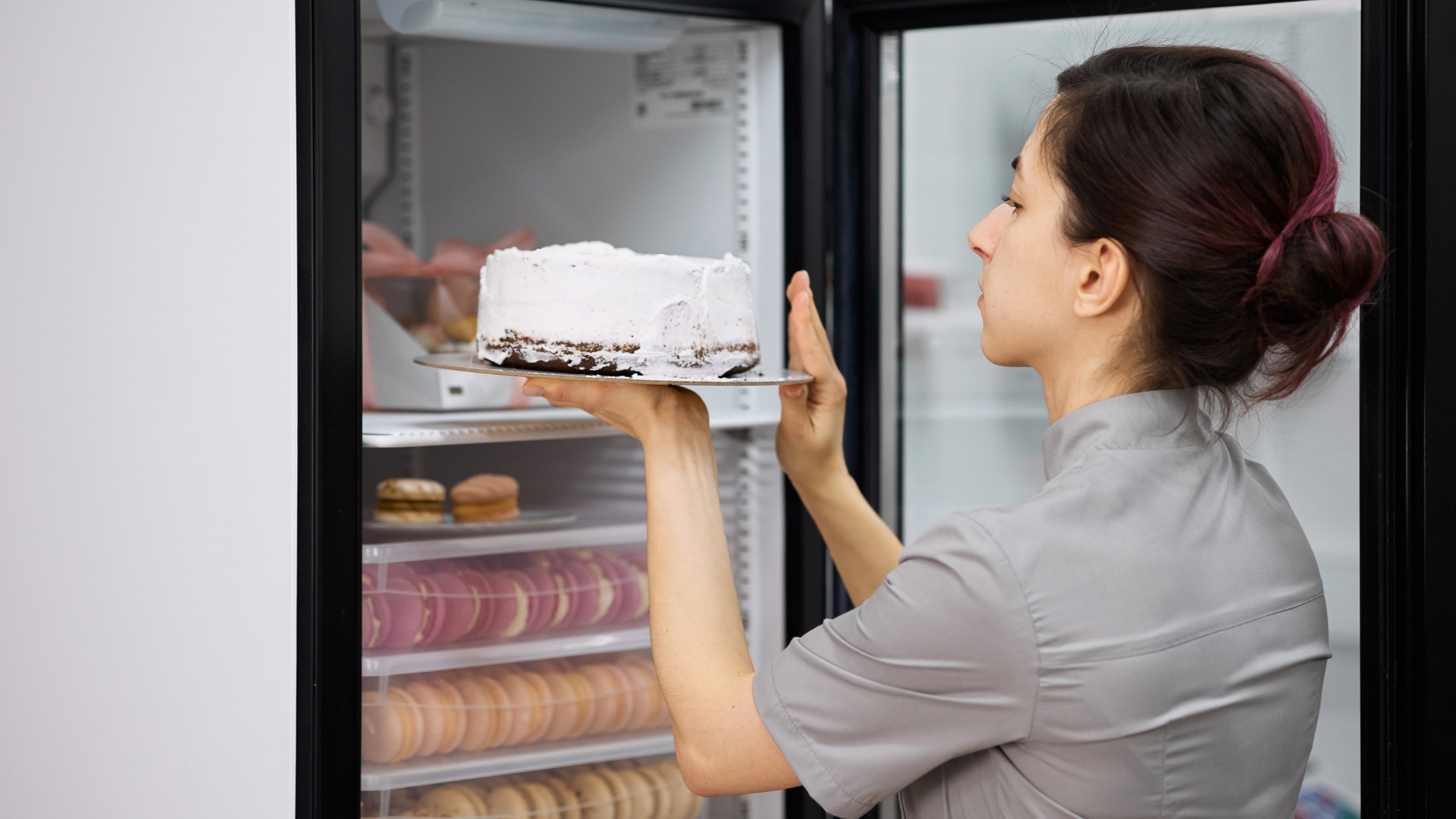
Temperature is also crucial. No pastry chef would choose to whip cream in a hot environment. Likewise, chilled cream whips up much better and yields a smoother, more stable texture. Warm or even room temperature cream won’t trap air effectively and will stay liquid.
Fix it: Chill your cream, mixing bowl, and beaters (or whipped cream canister) in the fridge for 10–15 minutes before whipping.
Are Over or Under-Whipping?
Whipping is all about timing:
Under-whipped cream will be too runny.
Over-whipped cream turns grainy and may start to become butter.
Fix it: Whip until soft peaks form for a light texture, or stiff peaks for piped toppings. Stop immediately once you reach the desired texture.
A whipped cream dispenser paired with a whipped cream charger can create professional-quality results — but only when used correctly.
Common cream charger mistakes:
Not shaking the cream whipper enough
Overfilling the canister
Using low-fat cream
Leaky or faulty charger head
Follow manufacturer instructions exactly. Shake vigorously for 15–20 seconds after charging, and never exceed the max fill line.
Add Sugar or Flavorings Too Early?
The timing of adding sugar or syrup is also essential,adding sweeteners or vanilla too early can interfere with cream structure.
Fix it: Start whipping the plain cream. Add sugar or flavoring once soft peaks begin to form for best results.
Whether you're topping a pie, making mousse, or crafting desserts with a cream charger, understanding the science of whipped cream will save you from frustration. With the right cream, tools, temperature, and timing, you'll get that perfect fluffy finish every time.
FAQs:
Why is whipped cream runny?
It could be under-whipped, too warm, or made with low-fat cream. Chill everything and whip a bit longer.
Can I fix over-whipped cream?
Yes, you can. Add a tablespoon of cold cream and gently whisk to smooth it out.
Why isn’t whipped cream coming out of the dispenser?
Check if the charger is inserted correctly, the canister is overfilled, or if the nozzle is clogged. Also ensure the cream is cold and high in fat.
What can I use instead of heavy cream?
You can try full-fat coconut cream or thick plant-based whipping creams, but results may vary.



.png?w=800&h=800)