
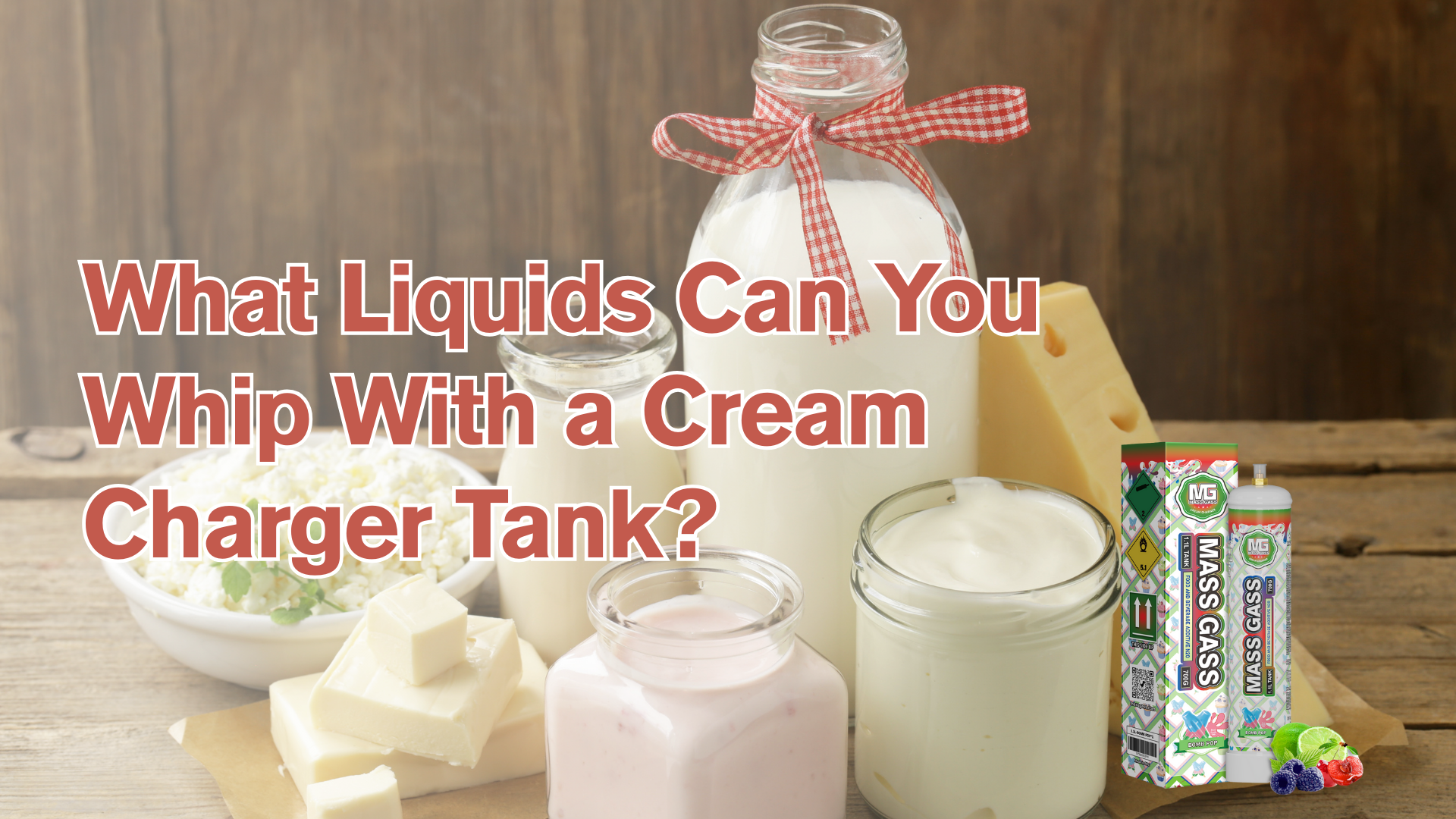
Cream charger tank and cream whipper have become must-have tools in many home kitchens, cafes and bars. Their convenience and versatility allow people to create velvety whipped cream, airy foams and smooth dessert toppings in seconds. But not every liquid can be whipped successfully. Understanding what works — and what doesn’t — helps you get better results while keeping your equipment safe.
Liquids You Can Whip
The most common choice is heavy cream, but many other liquids can be turned into stable, delicious foams with the help of N2O.
Fresh Cream & Light Cream
Fresh cream and light cream whip beautifully because their fat content allows tiny bubbles of nitrous oxide to bind and create a stable, fluffy texture. Whether you want classic whipped cream or a lighter topping, these are the most reliable bases.
Yogurt & Greek Yogurt
Both regular yogurt and Greek yogurt can be whipped into a smooth, tangy foam. Greek yogurt, being thicker, creates an especially dense and silky texture. These foams work well for desserts, fruit bowls, and breakfast dishes.
Coconut Milk
Coconut milk — especially the full-fat version — whips surprisingly well. Once chilled, the fat content solidifies slightly, helping the N₂O form a stable foam. It’s a favorite for dairy-free desserts.
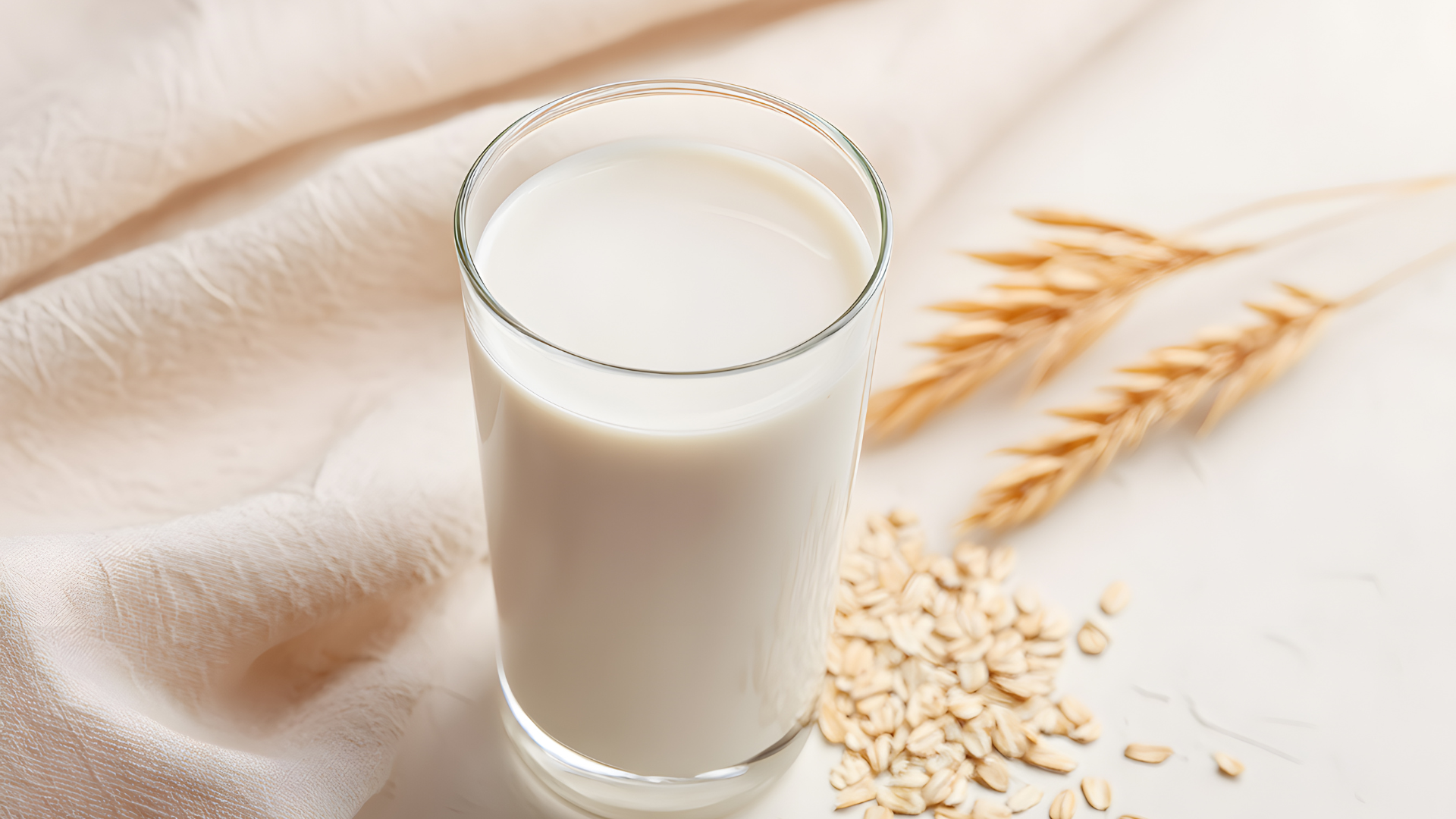
Oat Milk
Although oat milk has less fat than cream, many baristas use it to make light foams for coffees and cold drinks. With a cream charger, it produces a soft, airy texture that works great for vegan beverages.
Cocktail Bases
Cream chargers are widely used in bars to create cocktail foams. Mixologists often combine fruit juices, syrups, bitters, or egg whites to produce smooth, stable foams that elevate presentation and flavor.
Liquids You Cannot Whip
Not every liquid reacts well with nitrous oxide. In general, if a liquid is too thin, too thick, or contains solid particles, it won’t whip properly.
Liquids That Are Too Thin
Watery liquids like pure juice or plain milk don’t have enough fat or protein to trap gas bubbles. They may look foamy for a moment, but the texture collapses almost instantly.
Liquids That Are Too Thick
Very dense liquids, such as thick sauces or pastes, resist gas infusion. The N2O can’t disperse evenly, causing poor results or clogging.
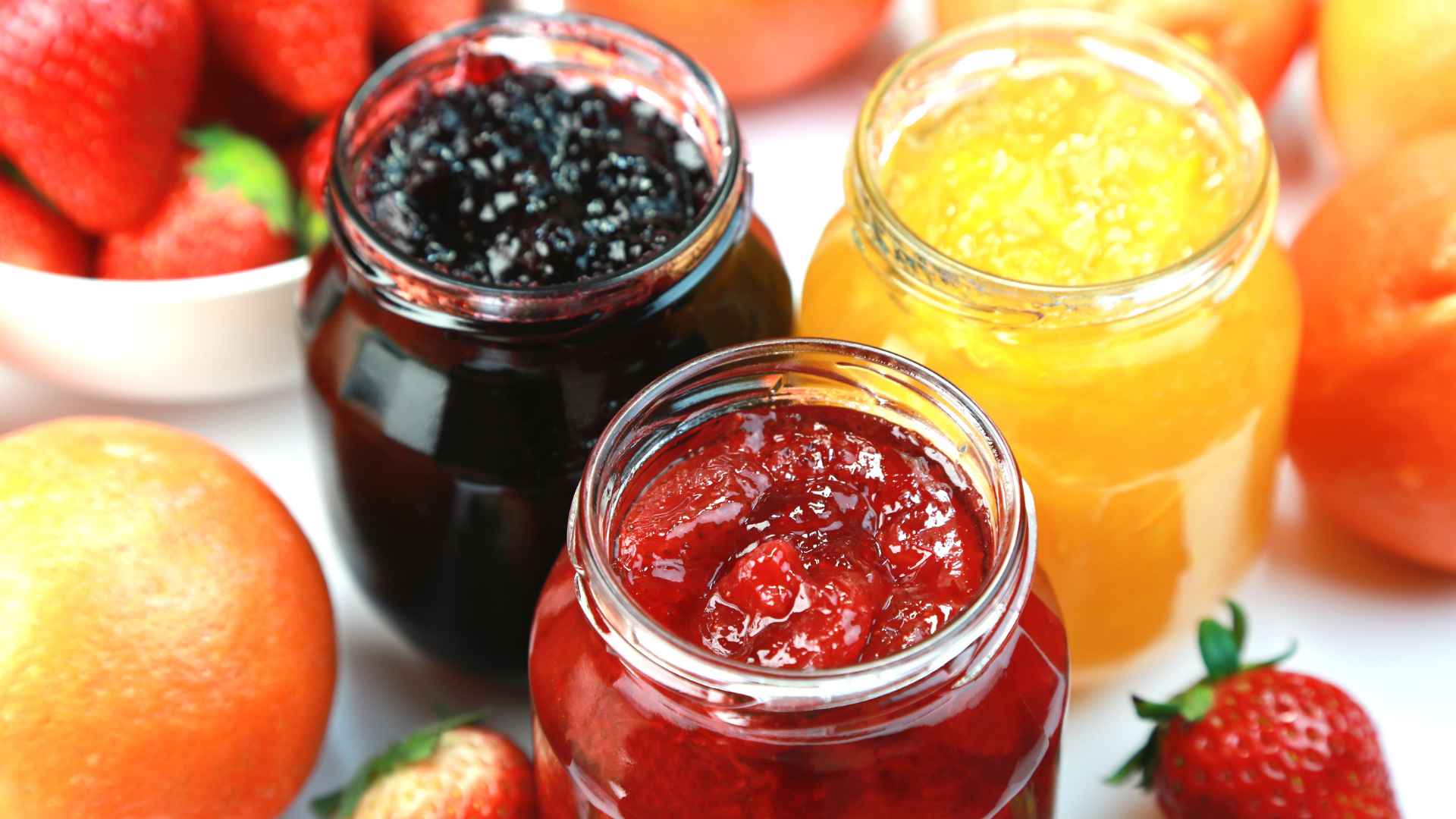
Liquids With Particles
Anything with pulp, seeds, spices, or solid chunks should never go into a whipper. These particles can block the nozzle, create uneven pressure, and may even damage the equipment.
Why Some Liquids Can’t Be Whipped?
Whipping relies on fat or protein structures being able to trap tiny bubbles of gas. Without these, the foam has no support and collapses immediately. Likewise, if the liquid is too thick, the gas can’t spread through it. And if solids are present, they disrupt the gas flow and may cause safety risks.
Safety Tips When Using a Cream Charger
A cream whipper is easy to use, but safety should always come first.
Avoid Nozzle Blockages
Never pour mixtures containing fruit pulp, spices, or thick solids directly into the canister. Even small particles can block the outlet, preventing pressure release.
Don’t Add Solids Under High Pressure
Never open the canister or add ingredients while it is still under pressure. This can cause sudden releases of gas and create dangerous situations.
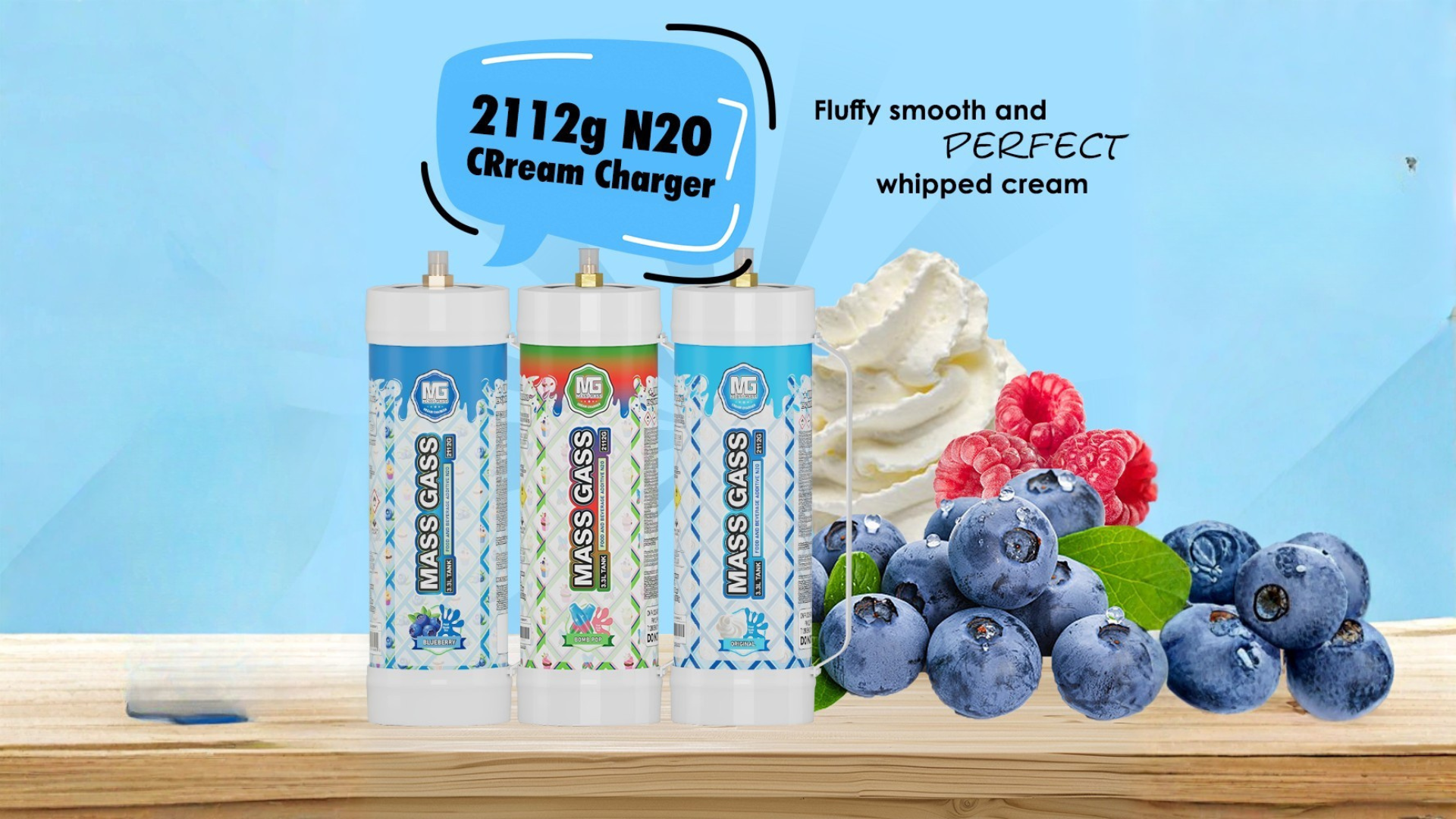
Always Use Food-Grade N2O
Only use chargers filled with certified food-grade nitrous oxide. Low-quality gas may contain impurities that affect flavor, performance, and safety.
How to Improve Your Whipping Results?
A few simple techniques can upgrade your foam quality immediately.
Use High-Purity N2O
High-purity nitrous oxide dissolves more cleanly into the liquid, giving you a smoother and more stable foam. It also reduces the risk of odd flavors or residue.Just like a 3.3L nitrous tank, it offers ample capacity, excellent build quality, and exceptionally stable gas output, making it the top choice for many cafes.
Chill the Cream and the Dispenser
Cold temperatures help fat molecules stabilize more quickly. By refrigerating both the cream and the dispenser beforehand, you’ll get denser, more consistent foam every time.
Cream chargers can whip far more than just heavy cream. Yogurt, coconut milk, oat milk, and even cocktail bases can all transform into silky, airy foams with the help of N2O. As long as you choose the right liquids, follow proper techniques, and use safe, food-grade materials, you can easily create cafe- and bar-quality whipped cream and foams at home.



.png?w=800&h=800)