
The U.S. Department of Agriculture’s Food Safety and Inspection Service (FSIS) has announced the recall of more than 12,000 pounds of imported smoked bacon. Food recalls happen more often than many people realize, and they are usually announced when a prod uct may contain harmful bacteria, allergens, foreign objects, or other safety risks. Recently recalled foods have included products such as bacon, packaged vegetables, dairy products, and ready-to-eat foods due to possible contamination. Understanding why food is recalled, what to do if you eat contaminated food, and how to reduce the risk of food poisoning can help protect yourself and your family.
What Food Has Recently Been Recalled?
In recent recalls, some bacon products, including certain batches from Maple Leaf Foods, have been recalled because of possible contamination concerns. Other common recalled products recently have included packaged salads, frozen foods, seafood, and dairy items.
|
Recalled Food |
Brand / Company |
Recall Reason |
Affected Products / Details |
|
Iceberg Lettuce and Salad Products |
Taylor Farms (related products sold under some retail brands) |
Possible contamination with Cyclospora, a foodborne parasite that can cause intestinal illness |
Certain chopped iceberg lettuce and salad products were investigated and removed from the market. |
|
Shell Eggs |
Midwest Poultry Services L.P. |
Possible Salmonella contamination |
Certain batches of shell eggs distributed to stores were recalled due to potential contamination. |
|
Fruit Puree Pouches |
Peter Rabbit Organics (PT Organics Limited) |
Possible presence of plastic fragments caused by packaging issues |
Selected banana strawberry fruit puree pouch products were recalled because of potential foreign material contamination. |
|
Organic Lentil Soup |
Amy’s Kitchen |
Manufacturing defect involving the can lid, which may affect product safety |
Certain cans of Amy’s Organic Lentil Soup were recalled due to packaging concerns. |
|
Smoked Bacon |
Maple Leaf Foods |
Imported products did not complete required USDA import reinspection procedures |
About 12,036 pounds of smoked bacon were recalled, including Royale Natural Applewood Smoked All Natural Uncured Bacon and TOP VALU Uncured Hardwood Smoked Bacon. The products were labeled as Product of Canada and produced under establishment number EST. 1. |
Why Are Foods Recalled?
There are several reasons why a food product may be recalled. The most common reason is contamination that could make people sick.
Bacterial Contamination
One of the biggest concerns behind food recalls is harmful bacteria such as Salmonella, Listeria, and E. coli. These bacteria can cause symptoms including stomach pain, vomiting, diarrhea, fever, and, in serious cases, hospitalization.
For example, processed meats, dairy products, and ready-to-eat foods are often carefully monitored because some bacteria can survive or grow if food is not handled or stored properly.
Undeclared Allergens
Another common reason for recalls is missing allergen information on product labels. Foods may contain ingredients such as milk, eggs, peanuts, tree nuts, soy, or wheat without being properly listed.
For people with food allergies, even a small amount of an undeclared ingredient can cause serious reactions. Clear labeling is an important part of food safety.
Foreign Objects or Quality Problems
Sometimes foods are recalled because foreign materials such as pieces of plastic, metal, glass, or other objects are accidentally introduced during production.
Although these cases may be less common, they can still create risks for consumers and require immediate action from manufacturers.
What Should You Do If You Eat Contaminated Food?
If you accidentally eat food that has been recalled, do not panic immediately. Many people who consume contaminated food may experience only mild symptoms, but it is still important to monitor your health.
Pay attention to symptoms such as nausea, vomiting, diarrhea, stomach cramps, fever, or unusual tiredness. Some foodborne illnesses appear within a few hours, while others may take several days before symptoms develop.
If you have eaten a recalled product and feel sick, drink enough water to prevent dehydration and avoid preparing food for others until you know you are no longer contagious. People with stronger health risks, including young children, older adults, pregnant women, or individuals with weakened immune systems, should contact a healthcare professional if symptoms appear.
If you still have the recalled food at home, do not eat it. Throw it away safely or follow the manufacturer’s instructions for returning or disposing of the product.
The Importance of Food Safety
Food safety is not only about avoiding food poisoning; it is also about protecting long-term health. Unsafe food can cause short-term illness, but serious infections may lead to longer health problems in some cases.
Food safety is especially important because modern food systems are complex. A single contaminated product can reach thousands of consumers before the problem is discovered. This is why food recalls, inspections, and safety regulations play an important role in protecting public health.
However, food safety is also something that starts at home. The choices we make when buying, storing, and preparing food can greatly reduce the risk of illness.
How to Avoid Food Poisoning?
Although it is impossible to eliminate every risk, simple habits can make a big difference.
Prepare Homemade Meals
Cooking at home gives you more control over ingredients, freshness, and preparation methods. When you prepare your own meals, you can choose high-quality ingredients and make sure food is cooked properly.
Basic habits such as washing fruits and vegetables, cleaning kitchen surfaces, separating raw meat from ready-to-eat foods, and cooking meat to the correct temperature can help prevent harmful bacteria from spreading.
Homemade meals also allow you to avoid unnecessary additives and better understand what you are eating.
When making desserts at home, I rarely buy canned whipped cream from the supermarket. I prefer using a cream charger to make fresh whipped cream because the process is more fun and gives me more control over the ingredients. Using a nitrous oxide cream charger is simple: pour cold heavy cream into a whipped cream dispenser, add sugar or vanilla if desired, attach a food-grade N₂O cream charger, and shake the dispenser a few times. The nitrous oxide creates a light and smooth texture, allowing me to make fresh whipped cream instantly for cakes, coffee, fruit, and other desserts.
For me, making homemade food at home is an enjoyable process that also gives me a greater sense of confidence and peace of mind.
Check Production Information When Buying Food
Before purchasing food, take a few seconds to check important information on the package. Look at the expiration date, production date, manufacturer details, and storage instructions.
If a product has unusual packaging, a strange smell, damaged seals, or unclear labeling, it is better not to buy it. Keeping updated with food recall announcements can also help you avoid potentially unsafe products.
Many food recalls are announced publicly, so consumers should develop the habit of checking official food safety information, especially for products they regularly purchase.
Use Fresh Ingredients
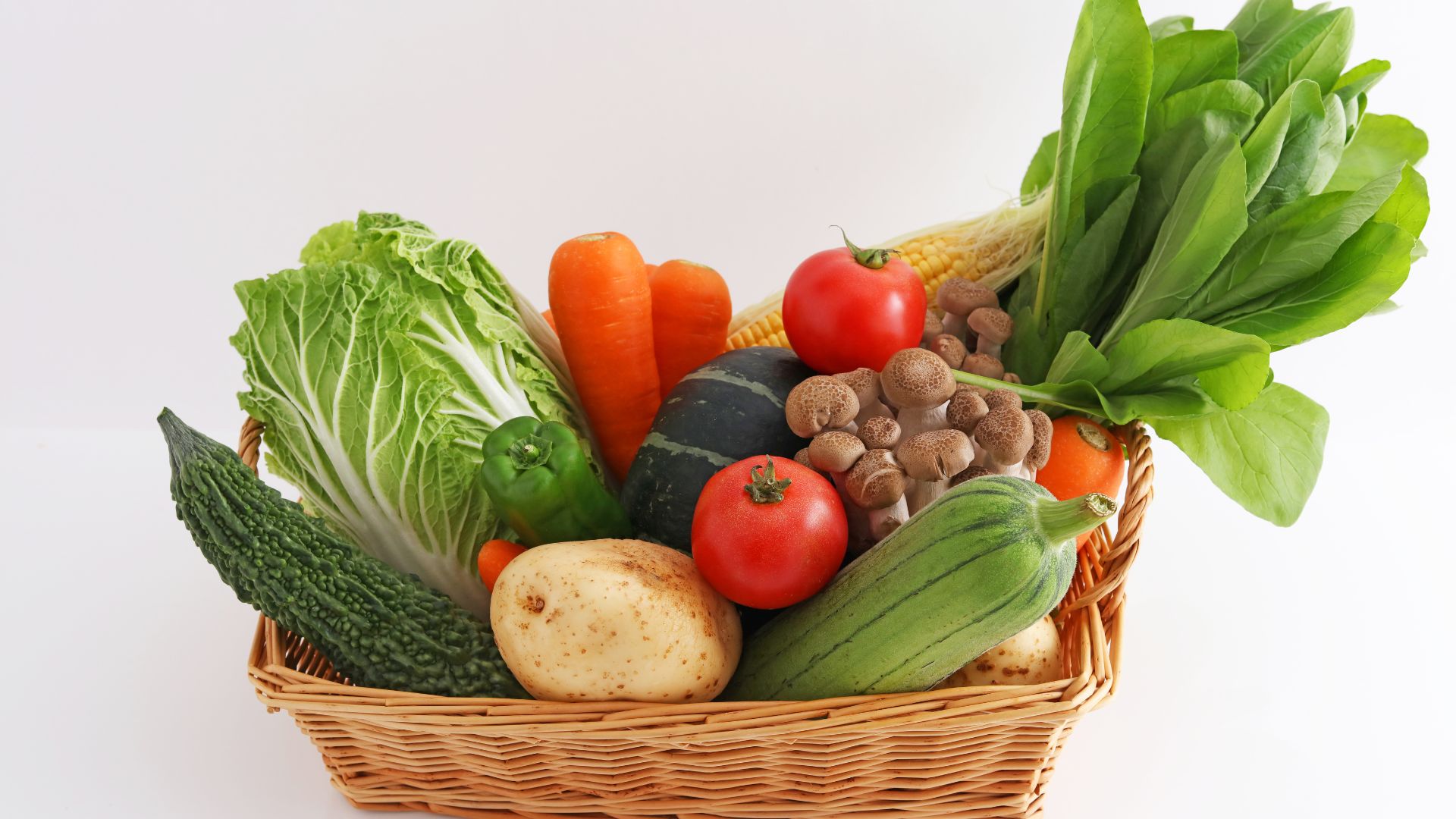
Fresh food is usually easier to manage because you can clearly observe its quality. Fresh vegetables, fruits, meat, seafood, and dairy products should be stored properly and used within the recommended time.
Avoid leaving cooked food at room temperature for too long, especially in warm environments. Refrigerating leftovers quickly and storing food in clean containers can reduce bacterial growth.
Fresh ingredients combined with proper cooking and storage methods create a safer and healthier eating environment.
Final Thoughts
Food recalls remind us that food safety should never be ignored. Products can become unsafe because of bacteria, allergens, or production problems, but consumers can reduce risks by staying informed and practicing good food habits.
Checking product information before buying, preparing more homemade meals, and choosing fresh ingredients are simple steps that can protect your health. Food safety is not only the responsibility of manufacturers and regulators — it is also something every consumer can practice every day.


.png?w=800&h=800)