

For most healthy adults, enjoying coffee every day is perfectly safe when consumed in moderation. According to the American Heart Association's scientific statement Caffeine and Cardiovascular Disease, drinking up to five cups of caffeinated coffee per day—equivalent to no more than 400 mg of caffeine daily—is generally considered safe and may even offer cardiovascular benefits for some people. However, the ideal amount varies depending on age, body size, pregnancy status, medications, and individual sensitivity to caffeine. Understanding how much caffeine you're actually consuming and learning how to customize your coffee can help you enjoy every cup without overdoing it.
What Is Caffeine?
Caffeine is a naturally occurring stimulant found in coffee beans, tea leaves, cacao beans, guarana, and several other plants. It works by blocking adenosine, a chemical in the brain that promotes sleepiness, helping people feel more awake, focused, and energetic.
After drinking coffee, caffeine is quickly absorbed into the bloodstream, with its effects typically beginning within 15 to 45 minutes. For many people, it improves alertness, concentration, reaction time, and even exercise performance. That's one reason coffee has become an essential part of millions of morning routines.
That said, caffeine isn't processed the same way by everyone. Some people can enjoy several cups a day without any noticeable effects, while others may experience jitters, anxiety, heart palpitations, or difficulty sleeping after just one cup. Genetics, liver metabolism, medications, and overall health all influence how your body responds.
How Much Caffeine Is in a Cup of Coffee?
There isn't a single answer because the caffeine content depends on the type of coffee, the beans, the roast, the brewing method, and even the serving size.
Here are some typical ranges:
|
Coffee Type |
Serving Size |
Approximate Caffeine |
|
Brewed coffee |
8 oz (240 ml) |
95–120 mg |
|
Espresso |
1 shot (30 ml) |
60–75 mg |
|
Double espresso |
2 shots |
120–150 mg |
|
Instant coffee |
8 oz |
30–90 mg |
|
Cold brew |
8 oz |
100–200 mg |
Many specialty coffee drinks contain multiple espresso shots, meaning a large latte or iced coffee can easily contain over 150 mg of caffeine. Cold brew coffee is another beverage that's often underestimated, as its higher concentration may deliver significantly more caffeine than traditional drip coffee.
Because of these variations, counting "cups" isn't always the best way to monitor caffeine intake. Paying attention to the approximate milligrams of caffeine is much more accurate.
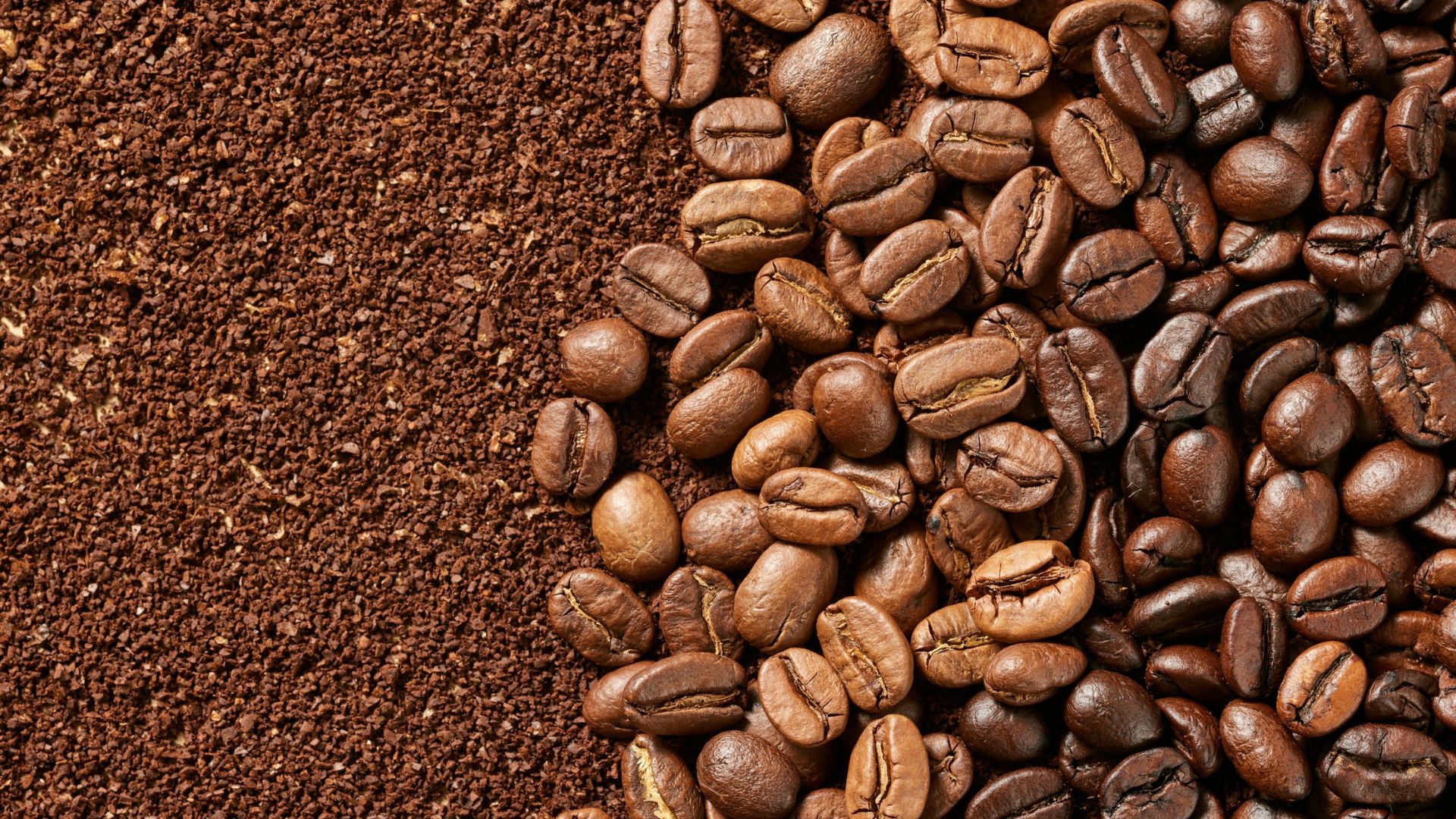
Different Types of Coffee Contain Different Amounts of Caffeine
Not all coffee is created equal. Several factors influence the final caffeine content in your cup.
Bean variety plays a major role. Robusta beans naturally contain nearly twice as much caffeine as Arabica beans, although Arabica is generally preferred for its smoother flavor.
The brewing method also matters. Espresso is highly concentrated but served in small portions, while drip coffee extracts caffeine over a longer brewing time. Cold brew often steeps for 12 to 24 hours, resulting in a stronger caffeine concentration.
Serving size is another important consideration. A large café coffee may contain two or even three servings of espresso, dramatically increasing total caffeine intake without many people realizing it.
Even the grind size, brewing temperature, and extraction time can influence the amount of caffeine that ends up in your cup.
How Much Coffee Can You Drink Each Day?
For most healthy adults, staying below 400 mg of caffeine per day is considered a safe guideline. Depending on the coffee you're drinking, that usually translates to about three to five standard cups.
However, moderation doesn't simply mean staying below the maximum limit. It's also important to spread your caffeine intake throughout the day rather than consuming several cups in a short period.
Some people should consume considerably less caffeine, including:
- Pregnant or breastfeeding women
- Individuals with uncontrolled high blood pressure
- People with certain heart rhythm disorders
- Those who are particularly sensitive to caffeine
- Anyone taking medications that interact with caffeine
It's also worth paying attention to timing. Drinking coffee late in the afternoon or evening can interfere with sleep quality, even if you don't immediately notice the effects. Poor sleep may eventually offset many of coffee's potential health benefits.
Listening to your body is just as important as following general recommendations. If one or two cups leave you feeling restless or anxious, reducing your intake may be a better choice than aiming for the upper limit.
How Can You Improve the Flavor of Coffee?
Coffee doesn't have to be limited to black or with a splash of milk. Small adjustments can dramatically improve both the taste and the overall drinking experience.
Change the Texture
Texture plays a surprisingly important role in how we perceive flavor. A silky, creamy mouthfeel can soften bitterness, balance acidity, and make coffee feel richer without necessarily changing the coffee itself.
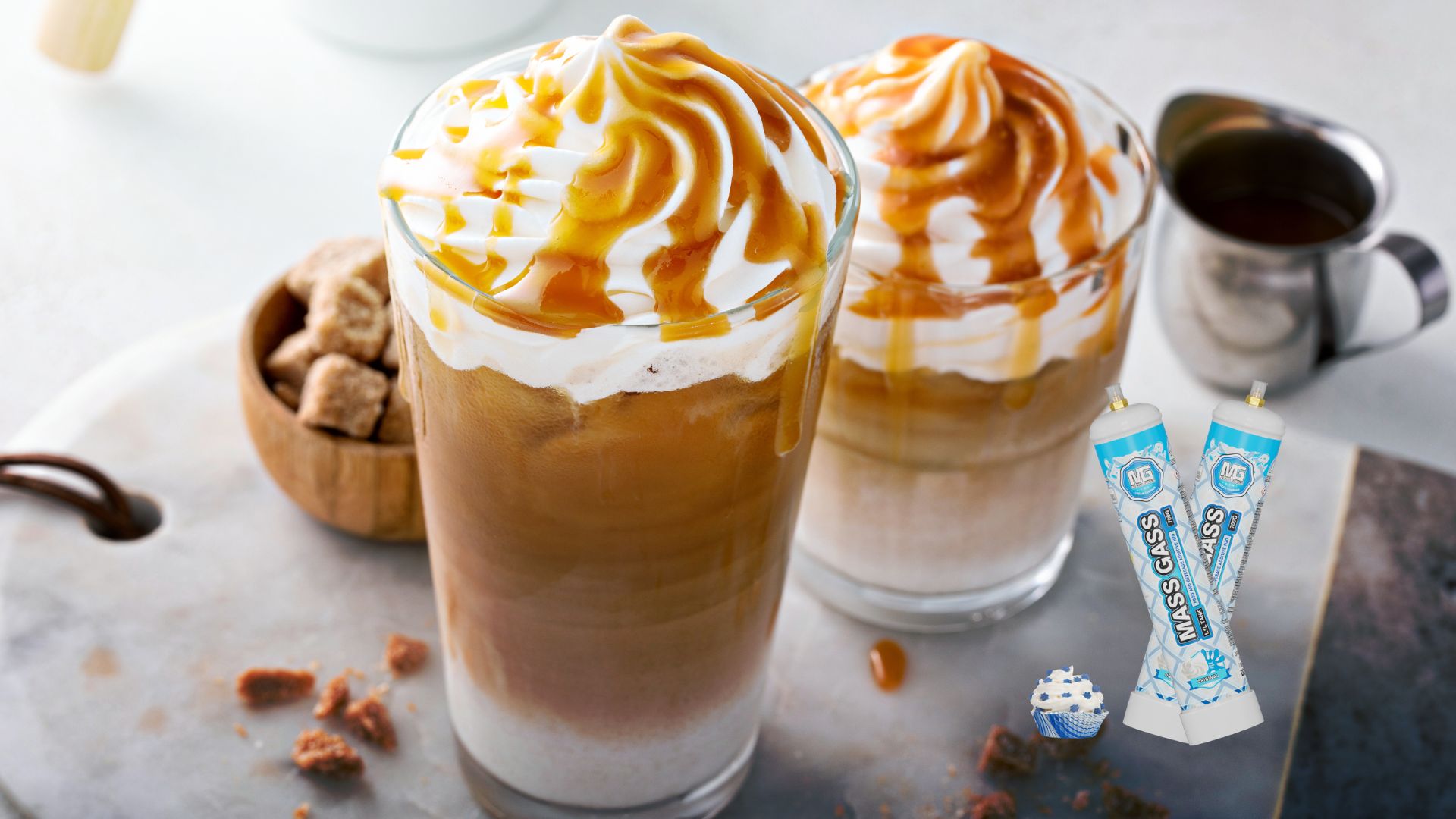
Steamed milk, cold foam, microfoam, or whipped cream all create different textures that complement various coffee drinks. Even a simple iced coffee can feel more luxurious when topped with a light, airy foam.
Add Different Layers, Such as Milk Foam and Whipped Cream
Layering flavors is one of the easiest ways to elevate homemade coffee.
A smooth milk foam can add sweetness without additional sugar, while freshly whipped cream provides richness that pairs especially well with mocha, caramel, vanilla, pumpkin spice, or hazelnut coffee drinks.
Unlike canned toppings, freshly prepared whipped cream has a lighter texture and cleaner dairy flavor. It also allows you to control the ingredients, sweetness, and consistency, making it suitable for everything from classic cappuccinos to indulgent dessert coffees.
Different layers also create visual appeal. The contrast between espresso, milk, foam, and whipped cream transforms an ordinary cup into a café-style beverage that feels special before you even take the first sip.
Add Flavorings
Flavor doesn't have to come from sugary syrups alone.
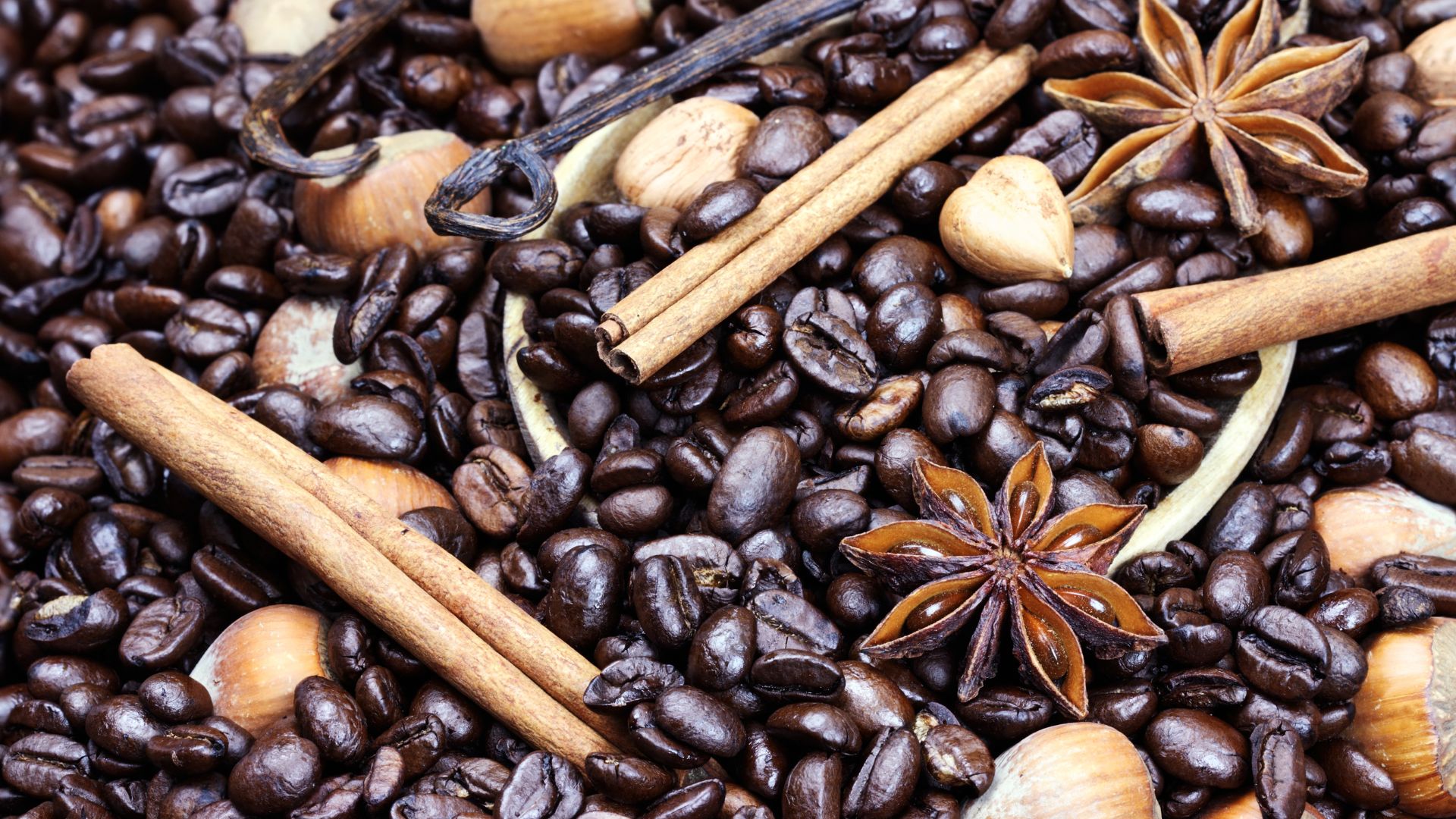
Natural additions such as cinnamon, cocoa powder, vanilla extract, nutmeg, or a pinch of sea salt can enhance coffee's existing flavor profile. Homemade syrups infused with vanilla beans or spices also provide a more personalized taste.
Seasonal flavors like pumpkin spice, peppermint, or caramel remain popular because they complement coffee's natural roasted notes without overpowering them.
The key is balance. A small amount of flavoring should enhance the coffee rather than mask its character.
How Does a Whipped Cream Charger Tank Improve the Coffee Experience?
A whipped cream charger tank has become increasingly popular not only in cafés but also among home coffee enthusiasts who want professional-quality toppings with minimal effort.
Instead of manually whipping cream, the system uses food-grade nitrous oxide (N₂O) to rapidly aerate fresh cream, producing a smooth, stable whipped cream in seconds. The result is lighter, creamier, and more consistent than traditional hand-whipped cream.
For coffee applications, a whipped cream charger tank offers several advantages:
- Consistent texture: Every serving delivers the same smooth, velvety whipped cream without overwhipping.
- Faster preparation: Ideal for busy cafés or home users making multiple drinks.
- Custom recipes: Users can adjust sweetness, vanilla, chocolate, caramel, or seasonal flavors to match different beverages.
- Professional presentation: Thick, stable whipped cream creates an attractive layered appearance for lattes, mochas, cold brews, frappes, Irish coffee, and specialty seasonal drinks.
- Reduced waste: Larger refillable tanks provide an efficient solution for preparing multiple servings compared with disposable alternatives.
Beyond whipped cream, many coffee professionals also use cream chargers to create flavored foams, cold foams, infused creams, and dessert toppings that add both visual appeal and a richer sensory experience.
As specialty coffee continues to evolve, texture has become almost as important as flavor. A cream charger gives baristas and home brewers an easy way to experiment with café-style creations while maintaining consistency and efficiency.
Final Thoughts
Great coffee is about more than caffeine. Experimenting with texture, milk foam, whipped cream, and natural flavorings can completely transform the drinking experience. Whether you're crafting a simple morning latte or an indulgent iced mocha, a whipped cream charger tank offers an easy way to create café-quality beverages with richer texture, greater consistency, and endless creative possibilities.



.png?w=800&h=800)