
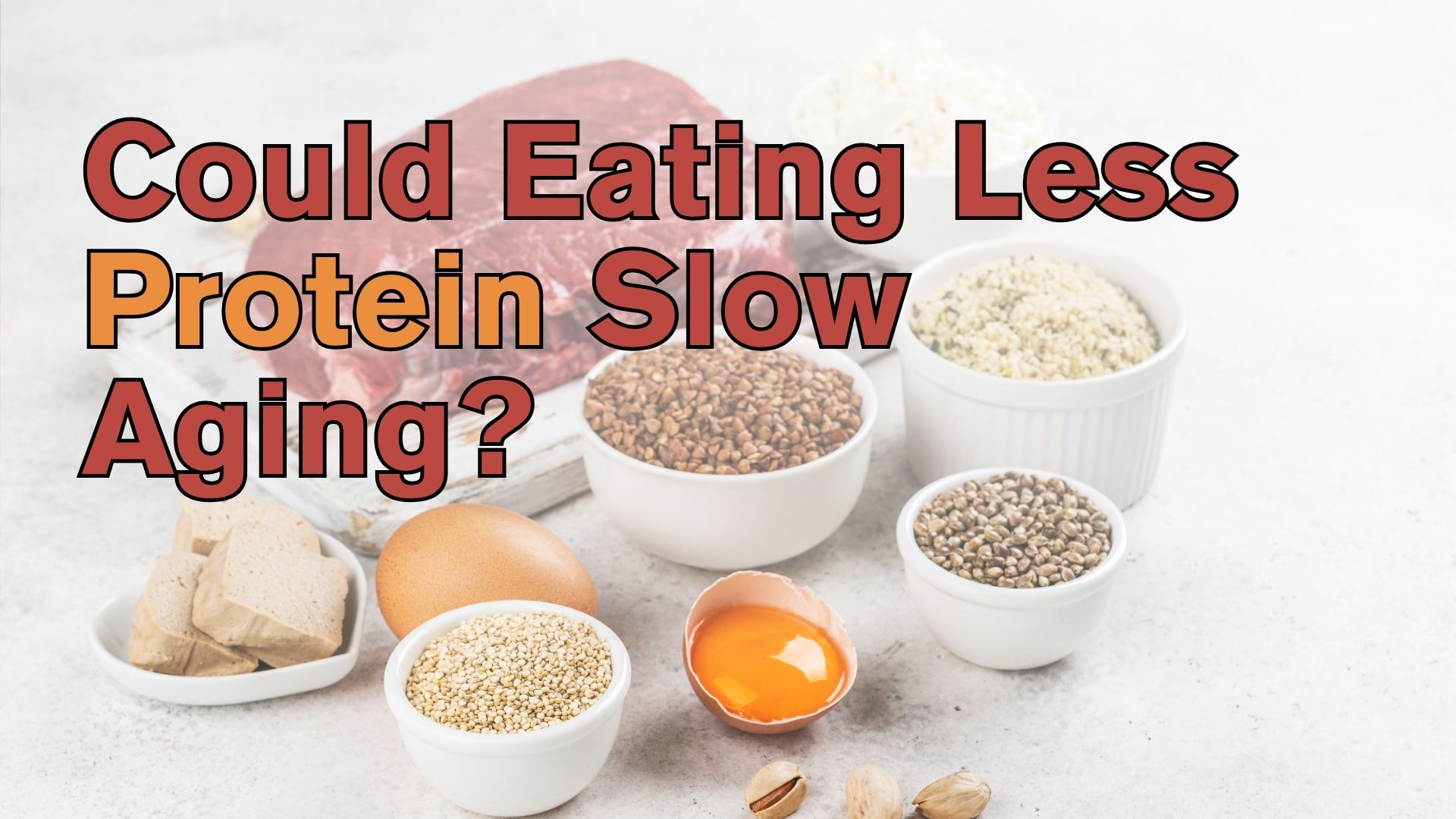
A review led by pathologist and biomedical researcher Dudley Lamming, published in Cell Press Blue, examined how reducing protein intake or limiting certain amino acids that make up proteins may activate biological processes associated with healthy aging and metabolism (the process by which the body converts food and drinks into energy).
Research suggests that moderate protein restriction, especially reducing certain amino acids, may activate cellular processes related to longevity. However, protein is also essential for maintaining muscles, repairing tissues, supporting the immune system, and keeping the body healthy. The key is not simply eating less, but finding a balanced diet that provides enough protein while avoiding excessive intake.
What Does Protein Do for the Body?
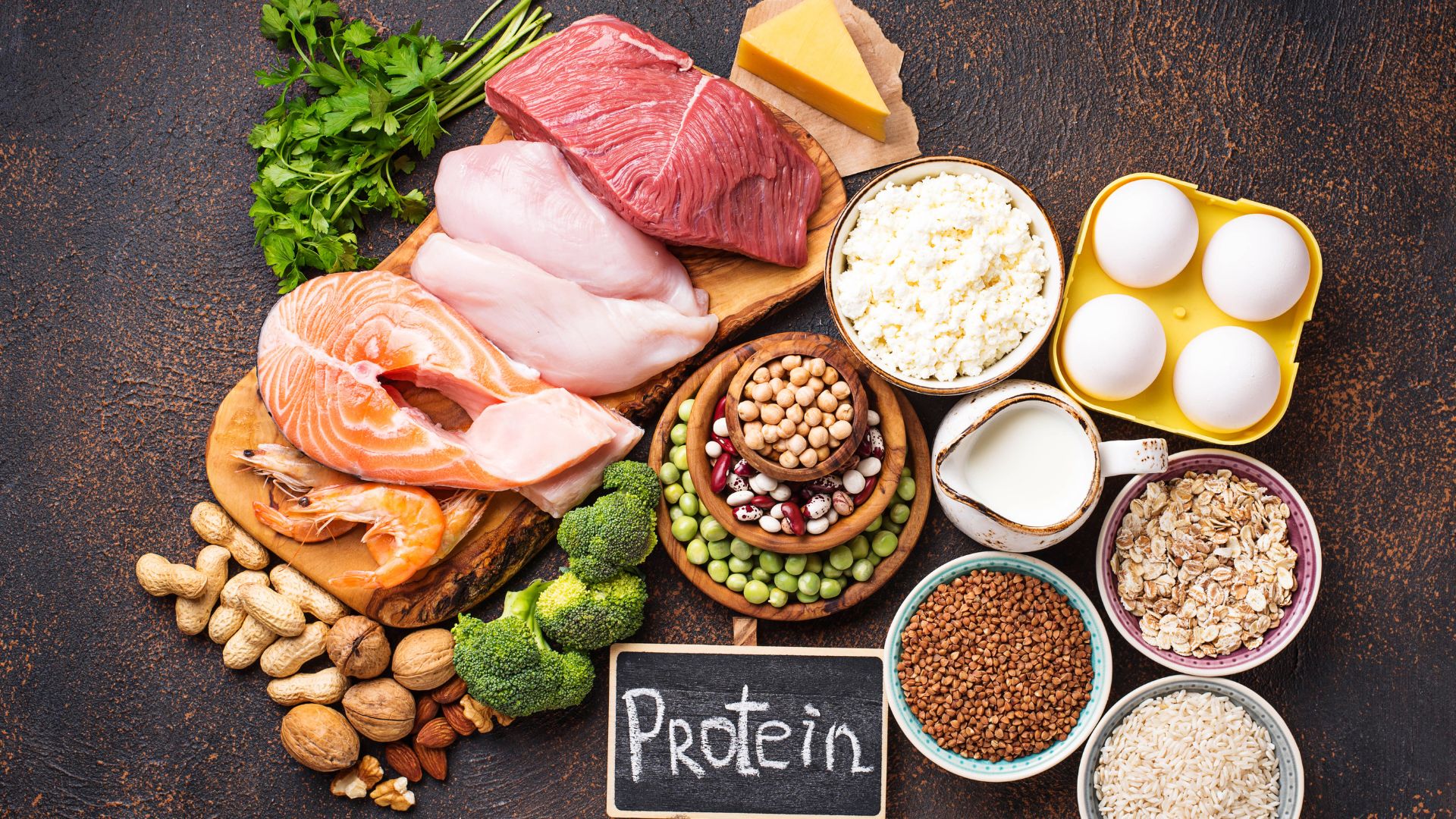
Protein is one of the three major macronutrients, along with carbohydrates and fats. It is made up of amino acids, which act as the building blocks for almost every part of the body. From muscles and skin to enzymes and hormones, protein plays a role in maintaining normal body functions.
Protein Supports Muscle Growth and Maintenance
One of the most important functions of protein is protecting muscle health. As people age, they naturally lose muscle mass, a condition known as age-related muscle decline. Adequate protein intake helps the body repair muscle fibers after exercise and maintain strength.
This becomes especially important for older adults because maintaining muscle is closely connected with mobility, independence, and overall quality of life. Too little protein can increase the risk of muscle loss and weakness.
Protein Helps Repair Cells and Maintain Health
Protein is also involved in repairing damaged tissues and producing important molecules in the body. Enzymes that support digestion, antibodies that help fight infections, and hormones that regulate body functions are all made from proteins.
Without enough protein, the body may struggle to recover from injuries, maintain immunity, and perform daily biological processes efficiently.
Protein Provides Energy When Needed
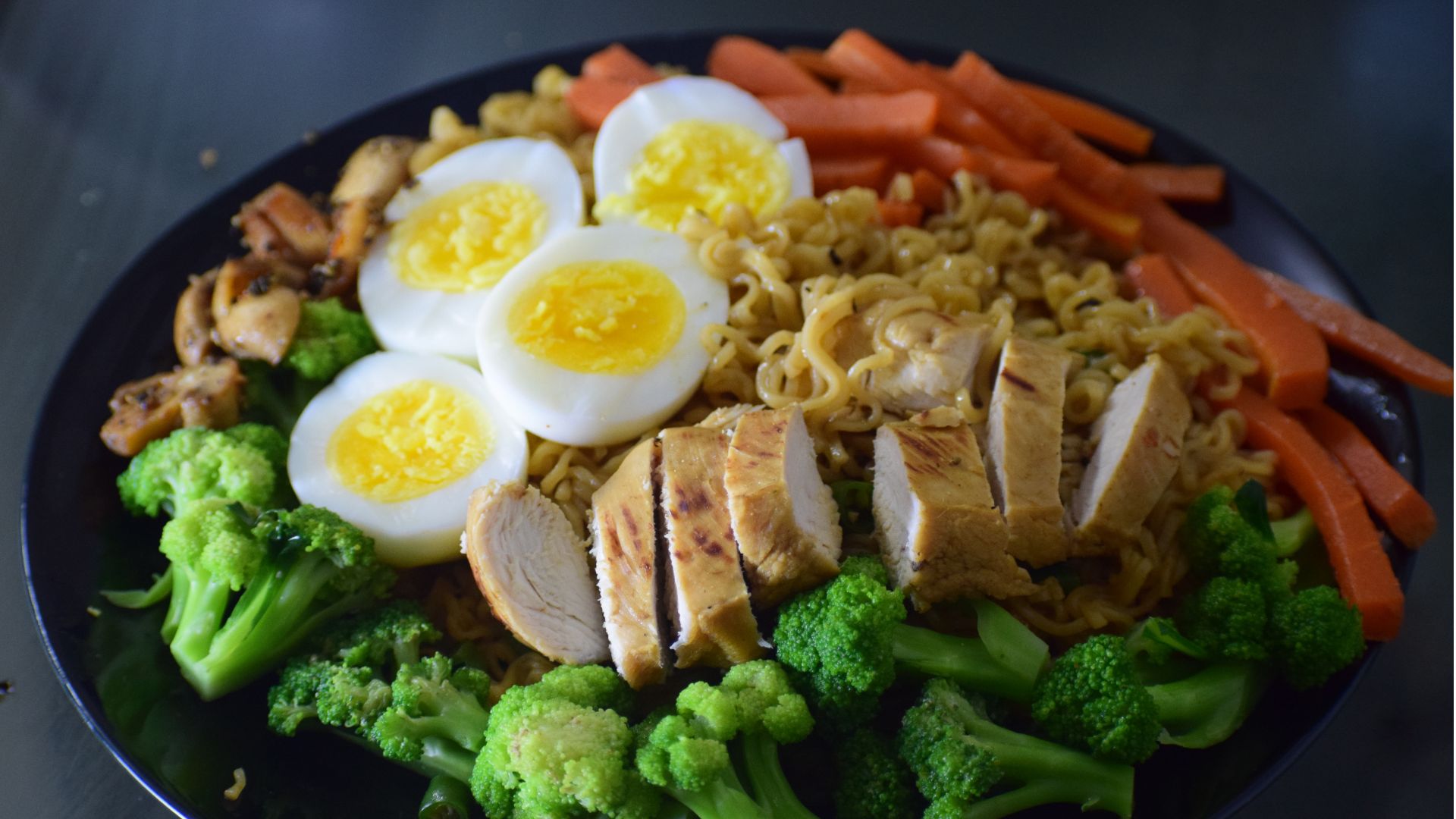
Although carbohydrates and fats are the body's primary energy sources, protein can also provide energy when necessary. During periods of low calorie intake or intense physical activity, the body may use amino acids as an energy source.
However, protein's main role is not energy production. Its greatest value comes from supporting the body's structure and functions.
The Relationship Between Protein and Aging
The connection between protein and aging is more complicated than simply saying "more protein is good" or "less protein is better." Scientists have found that protein intake can influence several biological pathways related to aging.
Lower Protein Intake May Activate Longevity Pathways
Some studies on animals have shown that reducing overall protein intake or limiting specific amino acids may activate cellular processes associated with longer lifespan. One important pathway involves a nutrient-sensing system called mTOR, which regulates cell growth and metabolism.
When protein intake is high, especially from certain amino acids, mTOR activity increases. This supports growth and tissue building, which is useful during development and physical recovery. However, constantly keeping growth signals highly active may reduce some cellular repair processes.
Lower protein intake may encourage the body to focus more on maintenance and repair, including processes such as autophagy, where cells remove damaged components.
Protein Quality May Matter More Than Quantity
The relationship between protein and aging is not only about how much protein people consume. The type of protein and the balance of amino acids may also matter.
For example, some researchers have focused on branched-chain amino acids and other specific amino acids that strongly influence metabolism. Instead of completely reducing protein, adjusting protein sources and maintaining a balanced intake may be a more practical approach.
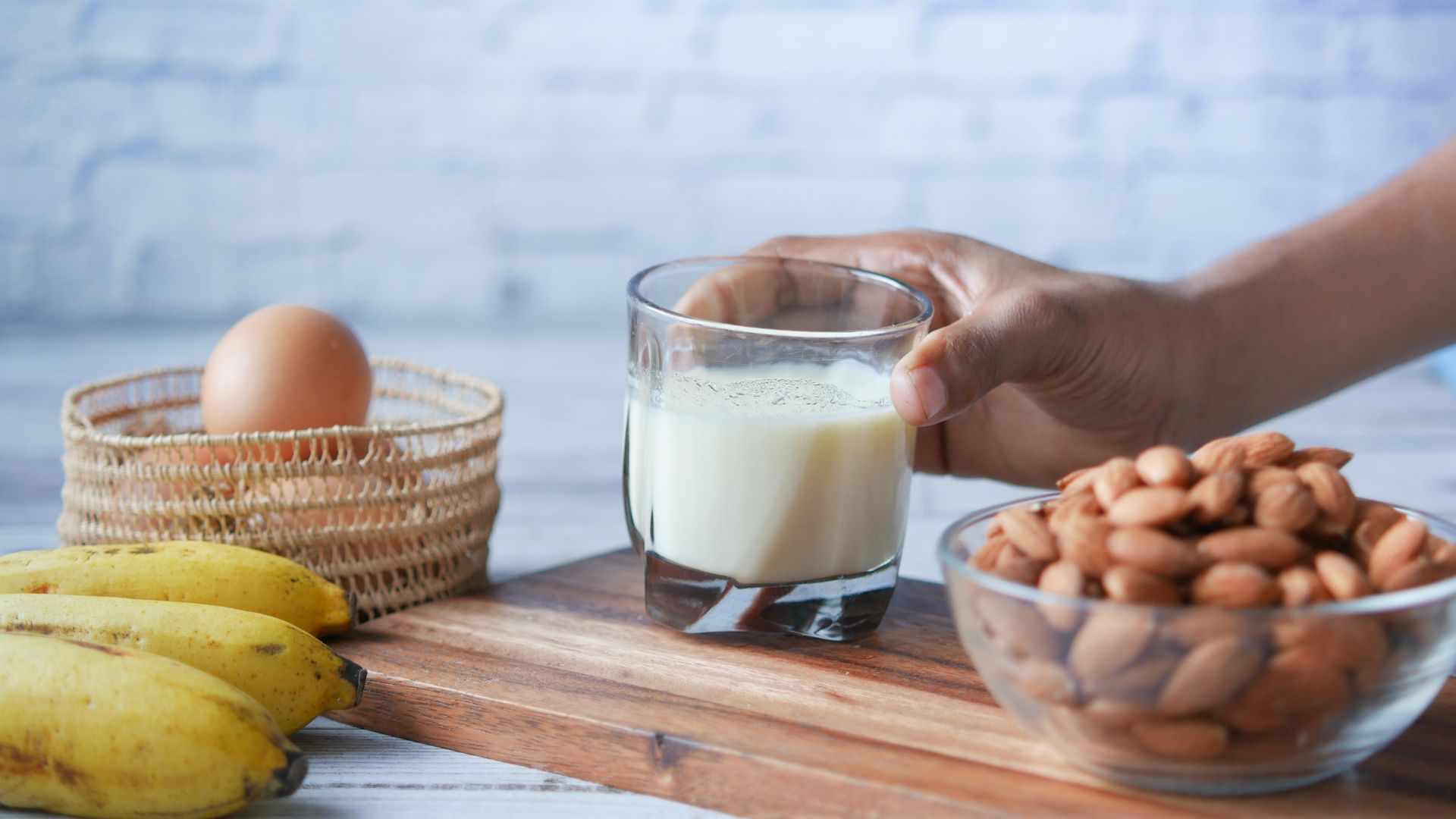
Foods such as fish, eggs, dairy products, beans, and nuts can provide valuable nutrients along with protein.
Older Adults May Need Enough Protein to Stay Healthy
Although protein reduction has been linked with longevity research, older adults should be careful about reducing protein too much. Aging bodies often become less efficient at using protein, meaning some people may actually need sufficient protein to maintain muscle.
Therefore, a diet that supports healthy aging should consider age, activity level, body condition, and overall nutrition rather than focusing only on protein reduction.

Does Reducing Protein Intake Mean Eating Less?
When people hear "eat less protein," they may assume it means eating fewer meals or reducing overall food intake. However, these are two completely different concepts.
Eating Less Protein Does Not Mean Eating Fewer Calories
Protein is only one part of the diet. Reducing protein intake does not necessarily mean eating less food. A person can maintain enough calories by adjusting the amount of carbohydrates, healthy fats, vegetables, and other nutrient-rich foods.
For example, someone might reduce a large portion of meat while adding more vegetables, whole grains, or healthy fats. The goal is to create a balanced nutritional pattern rather than simply cutting calories.
Extreme Food Restriction Can Be Harmful
Aging well requires enough nutrients, vitamins, minerals, and energy. Severe calorie or protein restriction can lead to fatigue, muscle loss, weakened immunity, and poor recovery.
Healthy aging is not about constantly eating less. It is about choosing foods that support the body's needs while avoiding excessive consumption.

Do Desserts Contain a Lot of Protein?
Many people associate protein with meat, eggs, or fitness foods, so desserts are usually not considered high-protein foods. In most cases, traditional desserts contain much more sugar and fat than protein.
Most Desserts Are Low in Protein
Common desserts such as cakes, cookies, ice cream, and pastries are usually made with ingredients like flour, sugar, butter, and cream. These ingredients provide carbohydrates and fats, but they do not contribute large amounts of protein.
For example, a slice of cake may contain some protein from eggs or milk, but the amount is usually much lower compared with a serving of meat, fish, or legumes.
Cream-Based Desserts Provide Some Nutrients
Although desserts are not considered major protein sources, some ingredients used in desserts can provide small amounts of protein. Dairy products such as milk, cream, and yogurt contain proteins along with calcium and other nutrients.
The bigger concern with desserts is usually not protein content, but excessive sugar, calories, and highly processed ingredients.

How to Eat Healthier Desserts?
Enjoying desserts does not have to conflict with healthy aging. The key is choosing better ingredients, controlling portions, and preparing desserts in a way that gives you more control over what goes into your food.
Making Desserts at Home Gives You More Control
Homemade desserts allow you to choose fresh ingredients and adjust sweetness according to your preferences. Instead of relying on heavily processed supermarket desserts, making your own treats can be a more balanced option.
For example, homemade whipped cream can be prepared using fresh cream and a flavoured nitrous oxide. This method allows you to create a lighter, fresher texture without relying on the additives and preservatives that are often found in some ready-made whipped cream products.
Using a cream charger at home is also a more enjoyable process. You can prepare whipped cream when needed, combine it with fresh fruit, yogurt, or homemade desserts, and create a treat that fits your personal nutrition goals.

Combine Desserts With More Nutritious Ingredients
A healthier dessert does not mean removing all sweetness. Instead, try combining desserts with nutrient-rich foods.
Fresh berries, nuts, yogurt, dark chocolate, and whole-food ingredients can add fiber, vitamins, minerals, and healthy fats. A dessert made with balanced ingredients can be both enjoyable and more supportive of overall health.
Enjoy Desserts in Moderation
Healthy eating does not require completely avoiding desserts. Enjoying occasional treats can be part of a balanced lifestyle.
The focus should be on overall dietary patterns. A person who eats mostly nutritious foods and occasionally enjoys a homemade dessert is following a very different approach from someone who consumes large amounts of processed sweets every day.
Final Thoughts
Eating less protein may influence certain biological mechanisms related to aging, but it is not a simple anti-aging solution. Protein remains essential for maintaining muscles, repairing cells, and supporting health. Instead of focusing on extreme restriction, a better approach is to maintain a balanced diet with appropriate protein intake, nutrient-rich foods, and mindful eating habits.
Even desserts can fit into a healthy lifestyle. Choosing homemade options, such as preparing fresh whipped cream with a 3.3l nitrous tank and pairing it with nutritious ingredients, allows you to enjoy sweet foods while staying mindful of your long-term health.



.png?w=800&h=800)