
If you love creamy sauces and desserts, you’ve probably seen or even used a cream charger — those small silver canisters that magically turn liquid cream into a light, fluffy foam. They’re perfect for topping your coffee, decorating cakes, or making smooth espumas that rival restaurant plating.
But what if you want to make a warm sauce? Can you use warm cream with a cream charger? It’s a question that often pops up among home cooks and food enthusiasts looking to experiment with their whipped cream dispensers. Let’s break it down and explore what really happens when you try to use warm cream — and how to achieve the same silky texture safely and effectively.
How does a Cream Charger Work?
Before diving into temperature effects, it helps to understand how a cream charger works.
A cream charger contains nitrous oxide, a colorless gas commonly used in the food industry for its ability to create light, stable foams. When you screw a charger into a whipped cream dispenser and release the gas, the n2o dissolves into the cream under pressure.
Here’s the science in simple terms:
Dissolving the gas: Under pressure, nitrous oxide mixes evenly with the fat molecules in the cream.
Creating foam: When you press the lever on the dispenser, the sudden drop in pressure allows the gas to expand rapidly, turning the liquid cream into a soft, airy foam.
Fat structure support: The fat in the cream stabilizes the bubbles, giving you that rich, velvety texture.
To get the best results, the cream needs to be cold — usually between 35°F and 40°F (1.5°C–4.5°C). Cold cream holds the gas better and forms stable microbubbles when dispensed.
What Happens If You Use Warm Cream?
Now comes the big question — can you use warm cream when making sauces with a cream charger?
The short answer is: not really recommended.
Here’s why:
Warm cream can’t hold the gas properly. As temperature rises, the fat molecules loosen up, making it harder for n2o to dissolve. The gas escapes too quickly, leaving you with a thin, runny mixture instead of a stable foam.
Risk of overpressure: Heating cream before charging can slightly increase internal pressure. Although modern dispensers are built to handle it, using hot liquids may still cause inconsistent results or, in extreme cases, safety risks.
Texture issues: Instead of smooth whipped cream, you may end up with bubbles that pop quickly and a texture that collapses almost instantly.
In short, warm cream won’t whip properly with a cream charger, and it might compromise both the texture and safety of your creation.
Why use chilled cream?
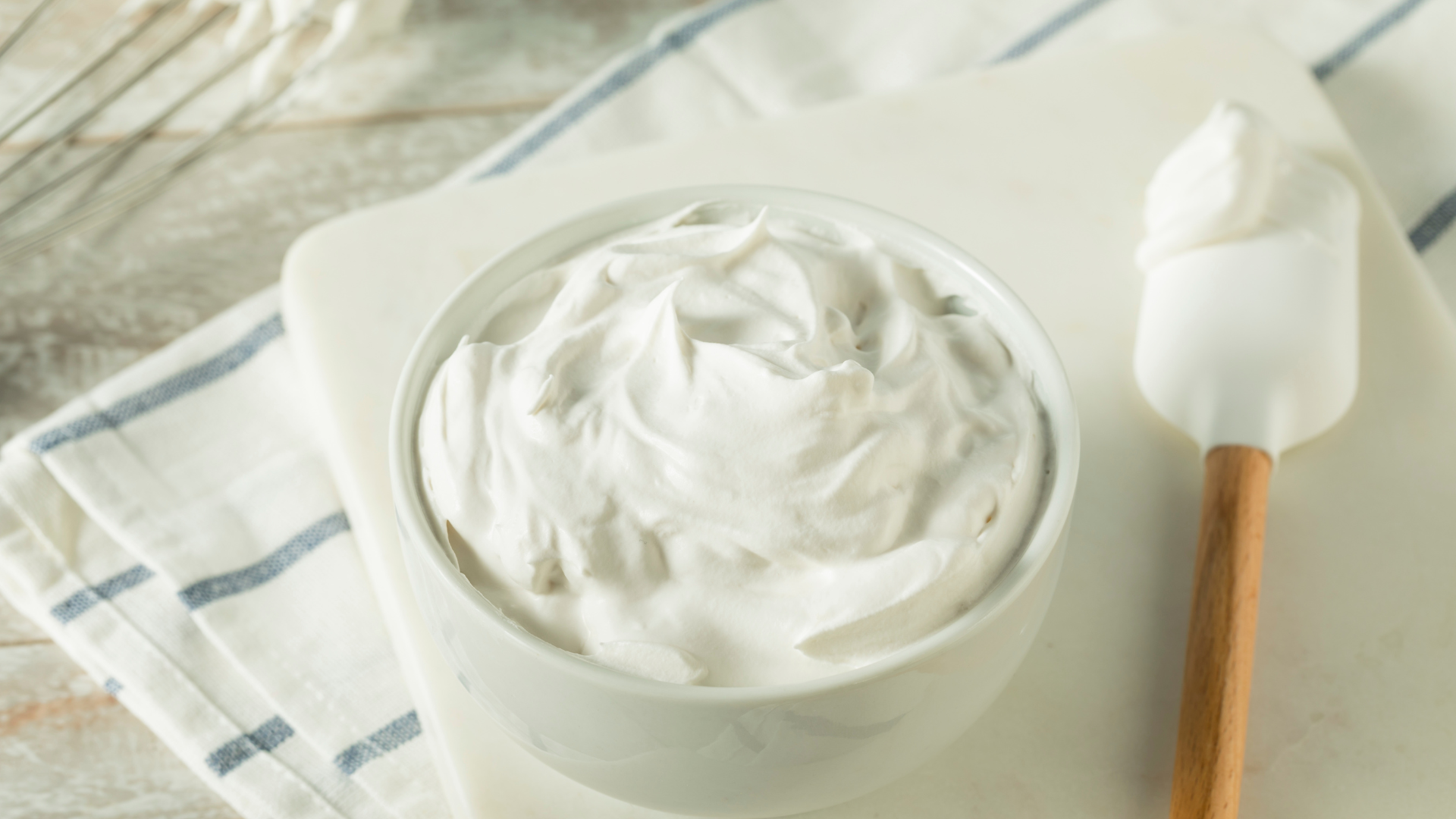
Whipping cream isn’t just about adding air — it’s about stabilizing it. When you whip cream, whether by hand, mixer, or whipped cream charger, you’re creating a delicate network of fat molecules and air bubbles.
Fat acts like scaffolding: Cold fat molecules partially solidify, forming tiny crystals that trap and support air bubbles.
Proteins act as glue: Milk proteins coat those air bubbles, keeping them from merging and collapsing.
Temperature control: At higher temperatures, fat melts too quickly, proteins lose structure, and the foam breaks apart.
This is why cold cream is essential for any whipping process. It ensures that the n2o gas binds effectively and the foam stays light yet stable.
How to Make Warm Sauces with a Cream Charger Safely?
Don’t worry — you can still enjoy warm, creamy sauces while using your cream charger. You just need to follow the right order:
Step 1: Start Cold
Use chilled heavy cream (with at least 30–36% fat) in your dispenser. Shake well after charging and test the consistency.
Step 2: Gently Warm After Dispensing
Once your cream or foam is ready, you can warm it indirectly:
Place the dispenser (still sealed) in warm water — never boiling — for a few minutes.
Or, dispense the foam onto a warm dish or sauce, letting it gently melt and blend.
Step 3: Mix with Hot Ingredients
For example:
Add whipped truffle cream on top of hot pasta.
Spoon vanilla foam over a warm chocolate sauce.
Or make a coffee dessert where cool whipped cream meets hot espress—the perfect temperature contrast.
This approach keeps the foam stable while still delivering that luscious, warm taste.
Creative Sauce Ideas to Try
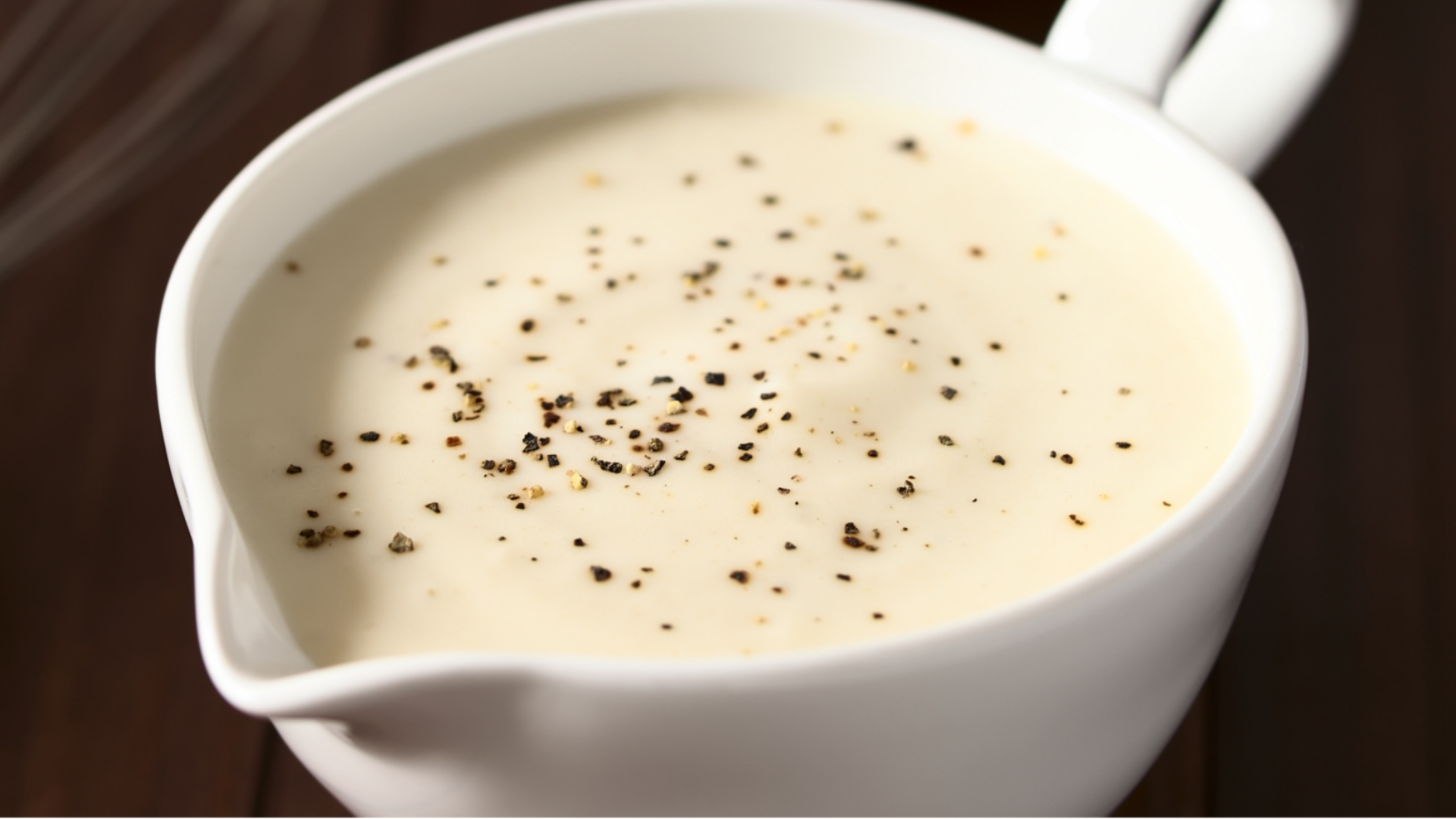
Here are a few fun ways to use your cream charger for warm dishes:
Warm Parmesan Foam: Perfect over risotto or pasta.
Vanilla Cream for Hot Chocolate: Add a cloud of lightly whipped cream that melts slowly into your cup.
Savory Mushroom Espuma: Use cooled cream and mushroom purée in your charger, then serve over warm steak or vegetables.
The secret is always the same — start cold, finish warm.
Safety Tips for Using Cream Chargers
Never fill the dispenser with hot liquids. The pressure can increase dangerously.
Always check your cream charger and cream dispenser compatibility.
Clean thoroughly after each use to prevent blockages.
Store chargers in a cool, dry place.
High-quality cream chargers made from stainless steel or food-grade aluminum are more reliable and ensure consistent results.
Final Thoughts
So, can you use warm cream with a cream charger? Technically yes, but practically no. The science just isn’t on your side. Warm cream won’t hold gas properly and can lead to unstable or unsafe results.
But don’t let that stop your creativity! Start with chilled cream, whip it perfectly with your charger, then blend it into warm sauces or serve it alongside hot dishes for a luxurious, restaurant-quality experience at home.
Cooking is about experimentation—just remember that sometimes, the coolest tricks start cold.




.png?w=800&h=800)