
If you've ever wondered whether a cream charger can whip hot liquids, the short answer is not directly. While a cream charger is excellent for creating light, airy whipped cream and foams, temperature plays a major role in the whipping process. Hot liquids usually don't hold gas well enough to create stable foam, so cooling the mixture first produces much better results.
Can a Cream Charger Whip Hot Liquids?
This is probably one of the most common questions people ask after buying a cream charger. After all, if it can make beautiful whipped cream in seconds, why not use it for hot chocolate or warm sauces?
The reality is that cream chargers aren't designed to whip very hot liquids. Nitrous oxide (N₂O), the gas inside the charger, dissolves much better in cold liquids than in hot ones. When the liquid is too warm, the gas escapes quickly instead of remaining trapped inside. As a result, the foam becomes unstable, collapses almost immediately, or may not form at all.
That doesn't mean warm recipes are impossible. Many chefs prepare warm foams for soups or sauces, but they typically allow the mixture to cool to a warm—not hot—temperature before charging it. The siphon also needs to be handled carefully because excessive heat increases internal pressure, which isn't ideal for either performance or safety.
If you're making whipped cream for coffee, desserts, or cold beverages, chilling both the cream and the dispenser beforehand will almost always give you the fluffiest results.
How Does a Cream Charger Work?
Although using a cream charger feels almost effortless, there's an interesting bit of food science happening inside the dispenser.
A cream charger is a small steel cartridge filled with food-grade nitrous oxide gas. Once inserted into a whipped cream dispenser, the charger is pierced, releasing the gas into the cream. The gas dissolves into the liquid under pressure, creating millions of tiny bubbles.
When you press the dispenser's lever, the pressure is released instantly. The dissolved gas rapidly expands, turning the cream into a light, airy foam as it leaves the nozzle.
The fat naturally present in heavy cream helps trap these tiny bubbles, creating the stable texture we recognize as whipped cream. This is why heavy cream whips beautifully while lower-fat liquids often struggle to produce the same volume.
In other words, a cream charger doesn't "whip" cream by mechanically beating it. Instead, it uses pressure and gas expansion to create an instant foam.
How to Use a Cream Charger?
The first time I used a cream charger, I expected it to be complicated. Surprisingly, the entire process only takes a few minutes.
Start by pouring cold heavy cream into a clean whipped cream dispenser. If you're making sweet whipped cream, add sugar, vanilla extract, or any flavoring before sealing the dispenser.
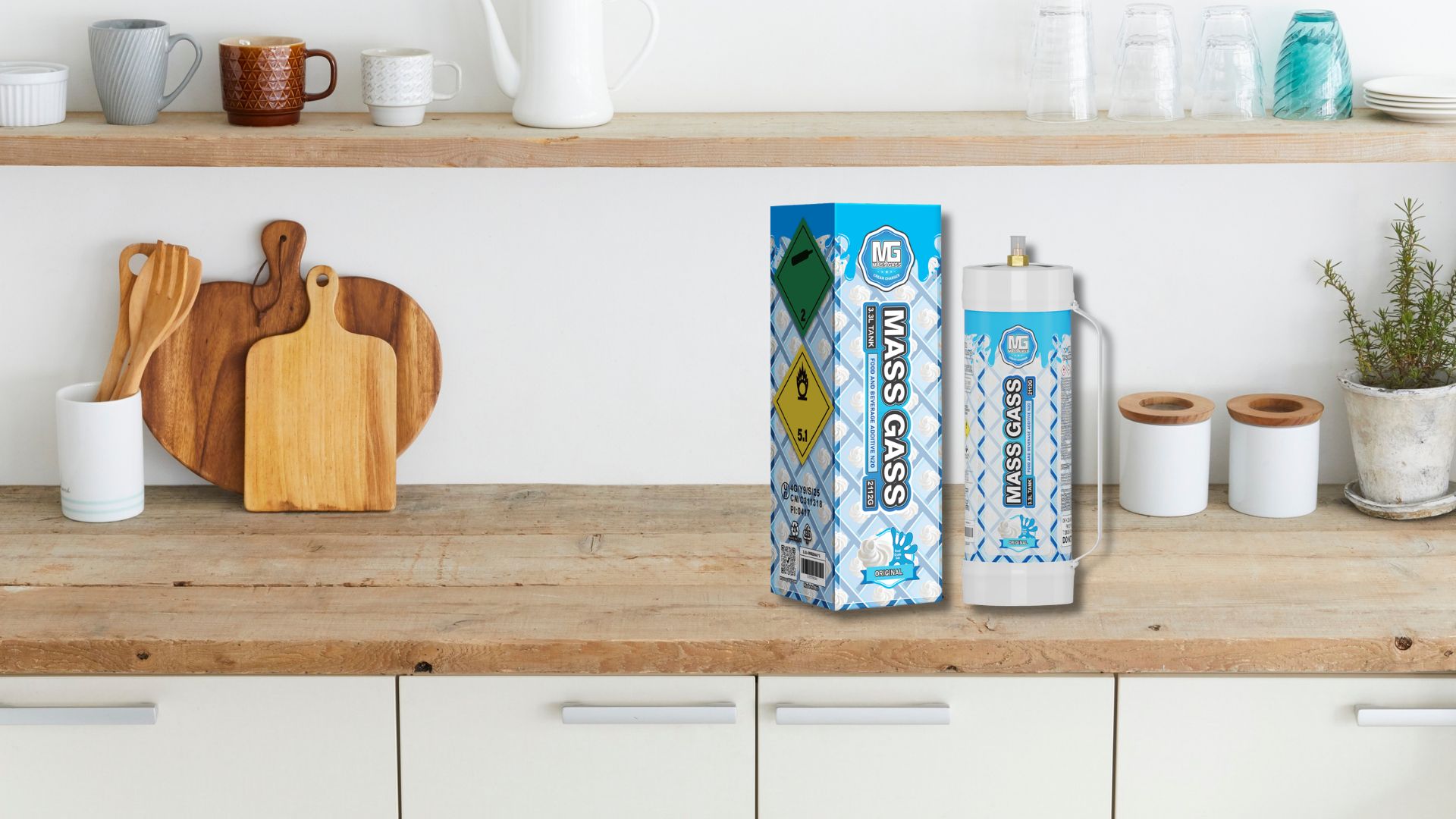
Next, screw on the dispenser head securely and connect a cream charger tank with the dispenser. Tighten it until you hear the gas release into the bottle.
After charging, gently shake the dispenser several times. This allows the nitrous oxide to dissolve evenly throughout the cream.
Finally, turn the dispenser upside down and press the lever to dispense freshly whipped cream. If the cream seems too loose, give it another gentle shake before trying again.
One tip I've learned is not to overfill the dispenser. Leaving enough empty space allows the gas to circulate properly, resulting in a smoother, more consistent texture.
Read More:How to Properly Use Large Nitrous Oxide Tanks?
What Affects Whipping Performance?
Not every batch of whipped cream turns out exactly the same. Several factors can dramatically change the final texture.
Fat Content
Fat is probably the most important ingredient for successful whipping.
Heavy cream with around 30–36% milk fat creates stable whipped cream because the fat molecules surround and support the air bubbles produced by the nitrous oxide. Lower-fat creams contain less structure, making it difficult for the foam to hold its shape.
If you've ever tried whipping half-and-half or regular milk, you've probably noticed that the foam disappears quickly. That's because there's simply not enough fat to stabilize it.
For the richest texture and best volume, heavy whipping cream remains the ideal choice.
Temperature
Temperature is another key factor that's often overlooked.
Cold cream absorbs nitrous oxide much more efficiently than warm cream. As the gas dissolves, it stays suspended long enough to create stable bubbles when dispensed.
Warm ingredients, on the other hand, release the gas almost immediately. The foam becomes loose and watery, and the volume decreases significantly.
For consistently good results, many experienced users chill not only the cream but also the dispenser itself before charging.
Gas Quality
Not all cream chargers perform equally well.
High-quality chargers contain pure, food-grade nitrous oxide and are manufactured to consistent standards. This ensures reliable pressure, clean flavor, and smooth dispensing.
Poor-quality chargers may contain impurities or inconsistent gas pressure, leading to uneven whipping, weak foam, or off flavors.
Using reputable cream chargers may seem like a small detail, but it often makes a noticeable difference in both texture and consistency.
Read More:How to Use a Cream Dispenser?

What Can You Make with a Cream Charger?
Many people buy a cream charger simply to make whipped cream, but after using one for a while, you quickly realize it's capable of much more.
Fresh whipped cream remains the obvious favorite, perfect for topping coffee, hot chocolate, cakes, pies, waffles, pancakes, and fresh fruit.
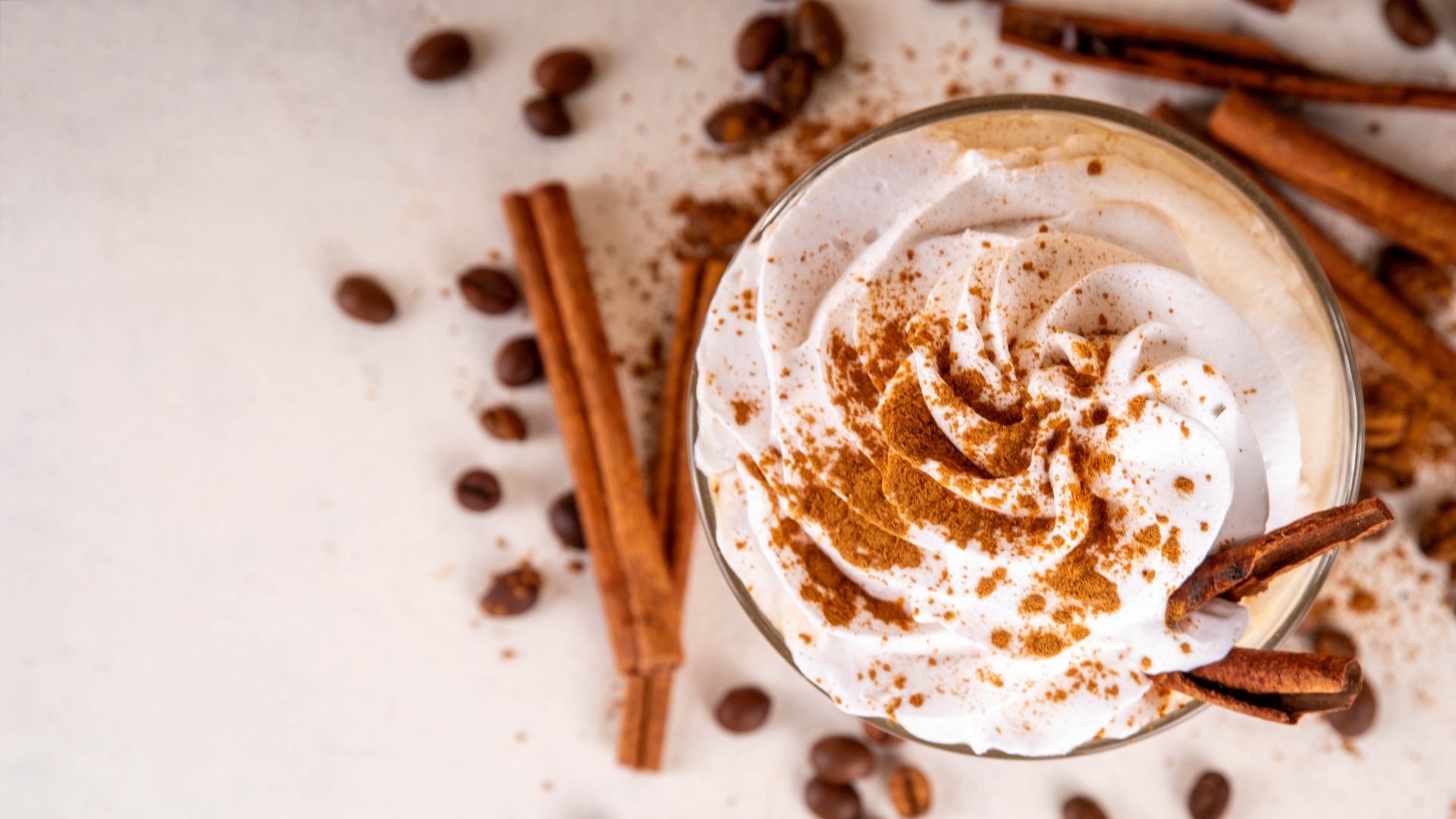
Cream chargers are also popular for creating flavored whipped creams. Adding ingredients like vanilla, chocolate, caramel, cinnamon, matcha, or fruit purées allows you to make customized toppings for desserts and beverages in seconds.
Beyond desserts, they can produce light culinary foams for soups, sauces, and savory dishes. These foams add an elegant finish while introducing extra flavor without making the dish heavy.
Many home cooks also use cream chargers for rapid flavor infusion. Herbs, spices, citrus peels, or fruits can infuse into spirits, oils, or syrups much faster than traditional steeping methods because the pressurized gas helps push flavors into the liquid.
Even cocktails become more creative with a cream charger. Bartenders often use them to prepare cocktail foams, flavored mousses, or infused ingredients that add both aroma and visual appeal.
Once you become comfortable using one, a cream charger often transforms from a simple whipped cream tool into a surprisingly versatile kitchen gadget that opens the door to a wide range of creative recipes.
Final Thoughts
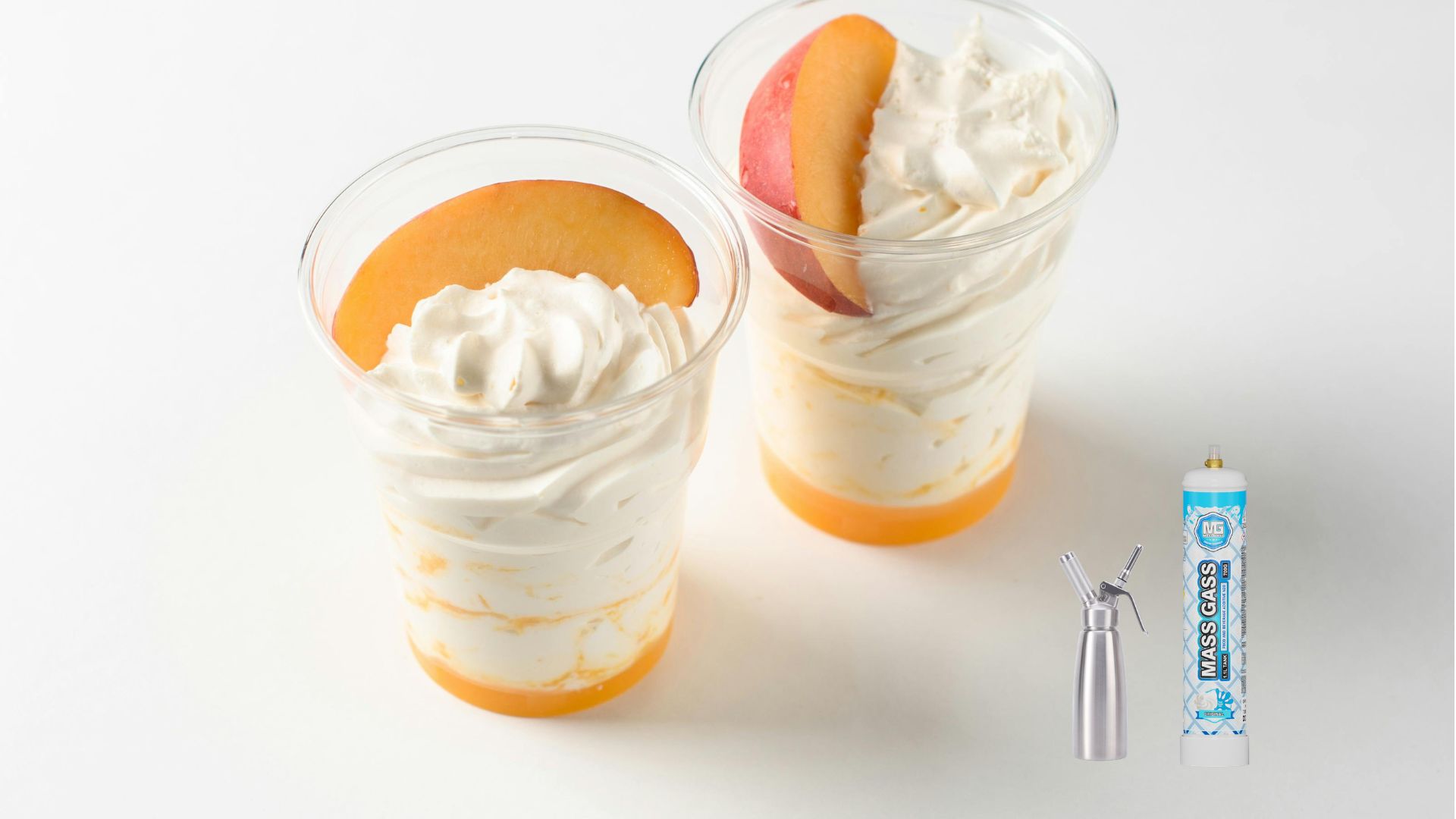
A cream charger works best with cold, high-fat liquids, making it ideal for producing stable whipped cream and smooth culinary foams. While it isn't suitable for whipping very hot liquids, understanding how temperature, fat content, and gas quality affect performance allows you to achieve consistently excellent results. Whether you're topping your morning coffee, decorating desserts, experimenting with flavored creams, or exploring restaurant-style foams, a quality cream charger is one of the easiest ways to elevate homemade food and drinks with professional-looking results.


.png?w=800&h=800)