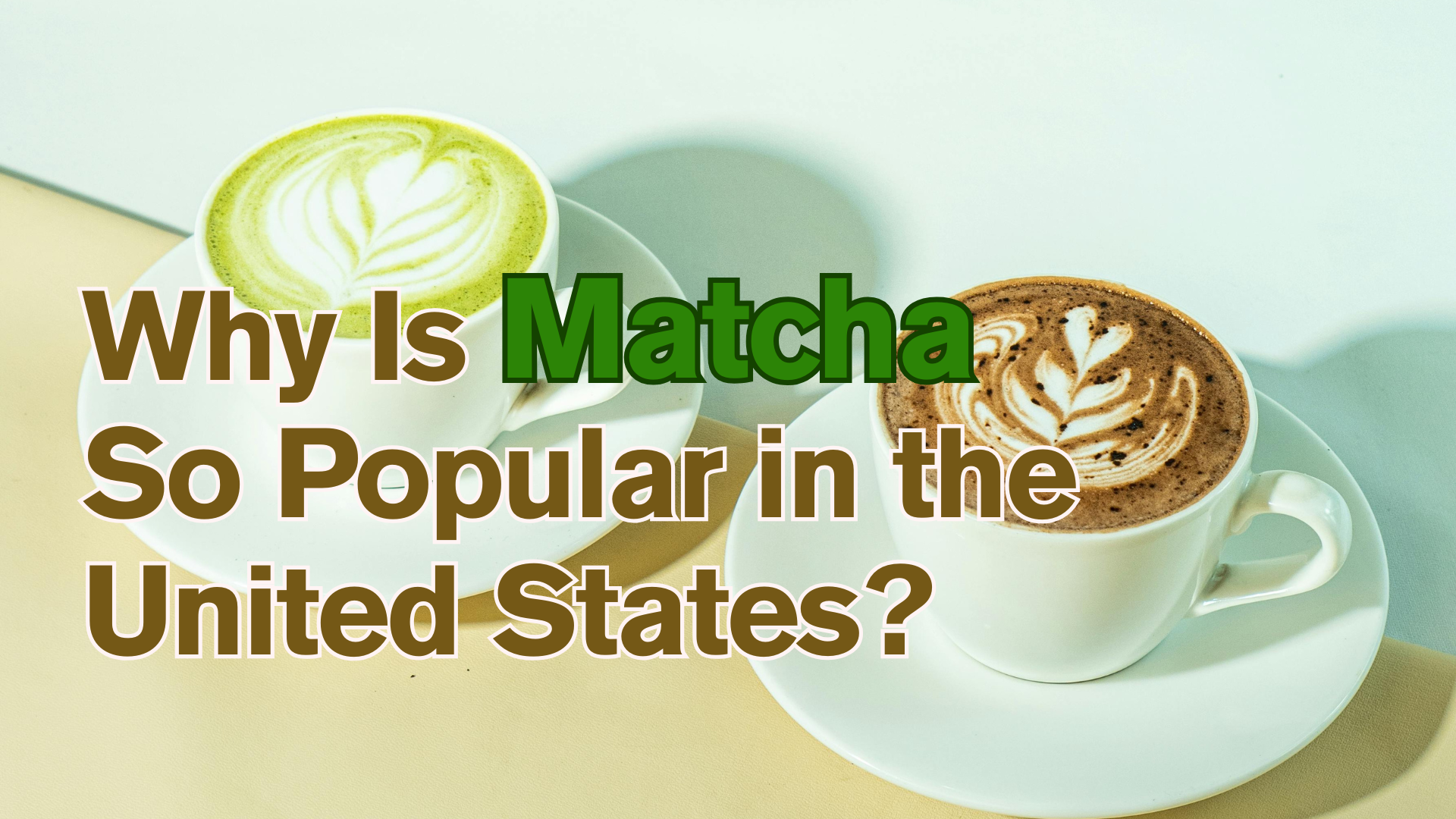
Over the past few years, matcha has gone from being a traditional Japanese tea ingredient to one of the biggest drink and dessert trends in the United States. Whether you walk into a coffee shop, scroll through TikTok, or browse a grocery store, it’s hard not to notice matcha everywhere. From iced matcha lattes to matcha cheesecakes and soft serve, Americans seem to have fully embraced the bright green tea powder.
But matcha’s popularity in the U.S. is about more than just flavor. It connects with several modern lifestyle trends at the same time: health-conscious eating, cafe culture, social media aesthetics, and the growing interest in customizable drinks and desserts. National Matcha Day is also helping push the trend even further every year.
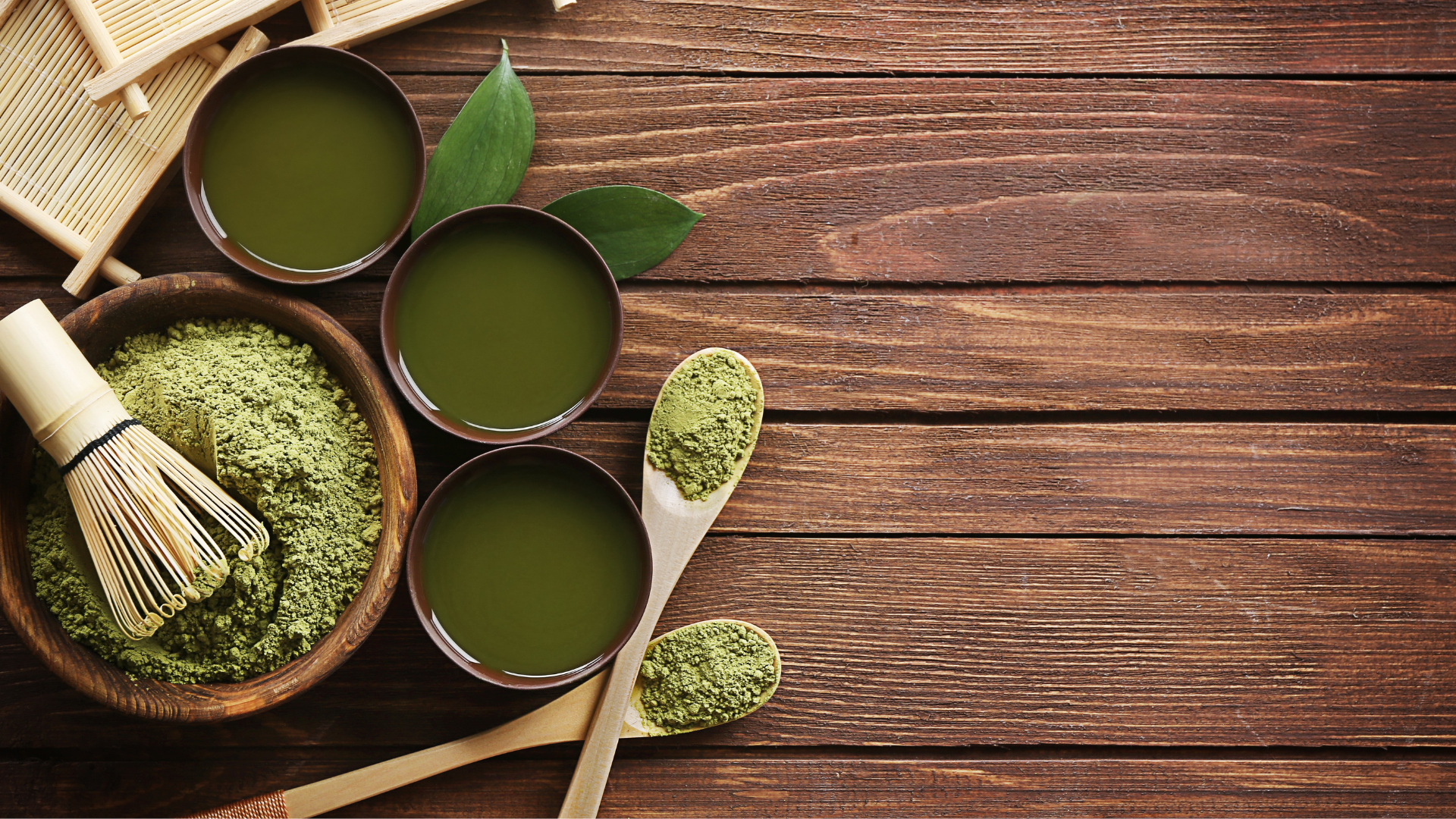
The Origin of National Matcha Day
An Unofficial Holiday Created Through Social Media and Marketing
In the United States, National Matcha Day is celebrated every year on May 2. However, unlike official holidays recognized by the government, National Matcha Day is considered an unofficial food holiday.
This type of “holiday” is actually very common in American food culture. Brands and restaurants often create themed celebration days around popular foods or drinks to attract attention online and encourage customers to participate in promotions. Over time, these marketing events can become widely recognized by consumers, especially through social media sharing.
National Matcha Day grew in popularity largely because cafés, tea brands, and influencers started using the occasion to post matcha-related content every spring. As more businesses joined in with limited-time drinks and promotions, the day gradually became part of online food culture in the U.S.
Today, many matcha lovers look forward to May 2 as a fun excuse to try new drinks, visit cafés, or post their favorite matcha creations online.
The Rise of Matcha in America
Brand Marketing Turned Matcha Into a Lifestyle Trend
One key reason for matcha’s popularity in the U.S. is strong brand marketing. Beverage companies rebranded matcha from traditional tea into a modern lifestyle drink linked with wellness, self-care, and premium café culture.
With major coffee chains offering matcha lattes and desserts, it became easy for consumers to try. Matcha quickly moved from niche tea shops into mainstream cafés.
Social Media Helped Matcha Go Viral
Platforms like TikTok and Instagram played a huge role in spreading matcha trends. Its bright green color makes it highly eye-catching and perfect for photos and short videos.
As a result, matcha often appears in lifestyle and café content, especially among younger users, many of whom discovered it through social media.
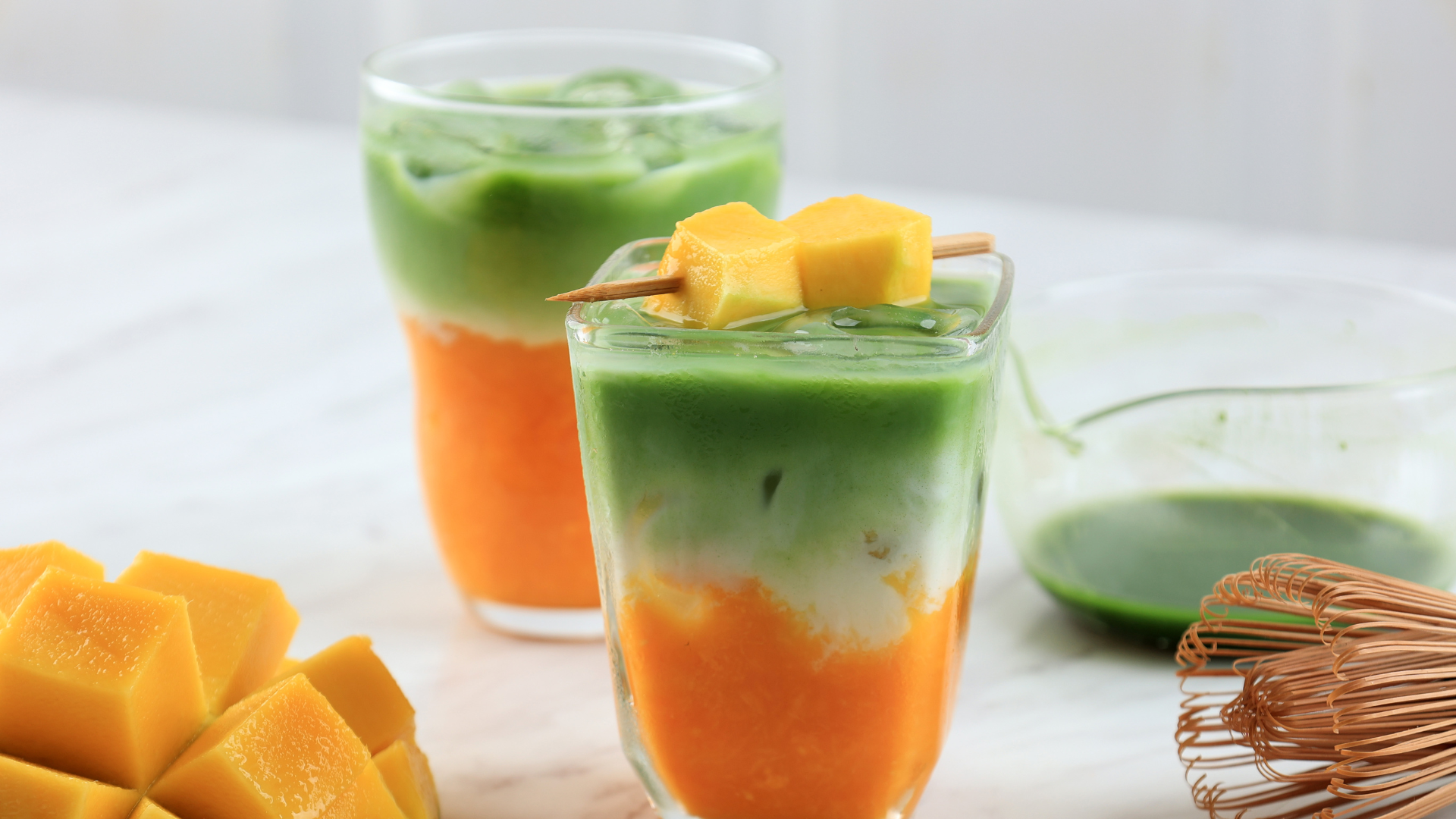
Wellness and Aesthetic Culture Boosted Demand
Matcha also fits well with the “wellness aesthetic” trend. It is associated with healthy living, mindfulness, and self-care routines.
This made matcha more than just a drink—it became part of a lifestyle image centered on balance, health, and visual appeal.
Why Do Americans Love Matcha?
A Healthier Alternative to Coffee
Many Americans still love caffeine, but they are also becoming more health-conscious. Matcha offers a middle ground between energy and wellness, which makes it especially attractive.
Unlike coffee, which can sometimes cause jitters or energy crashes, matcha contains both caffeine and L-theanine. This combination creates a smoother and calmer energy boost that many people prefer for work, studying, or daily routines.
Consumers also associate matcha with:
Antioxidants
Natural ingredients
Wellness culture
Lower-acid beverages
Mindful living
Even though some café matcha drinks contain sugar, the overall image of matcha still feels healthier compared to many traditional coffee beverages.
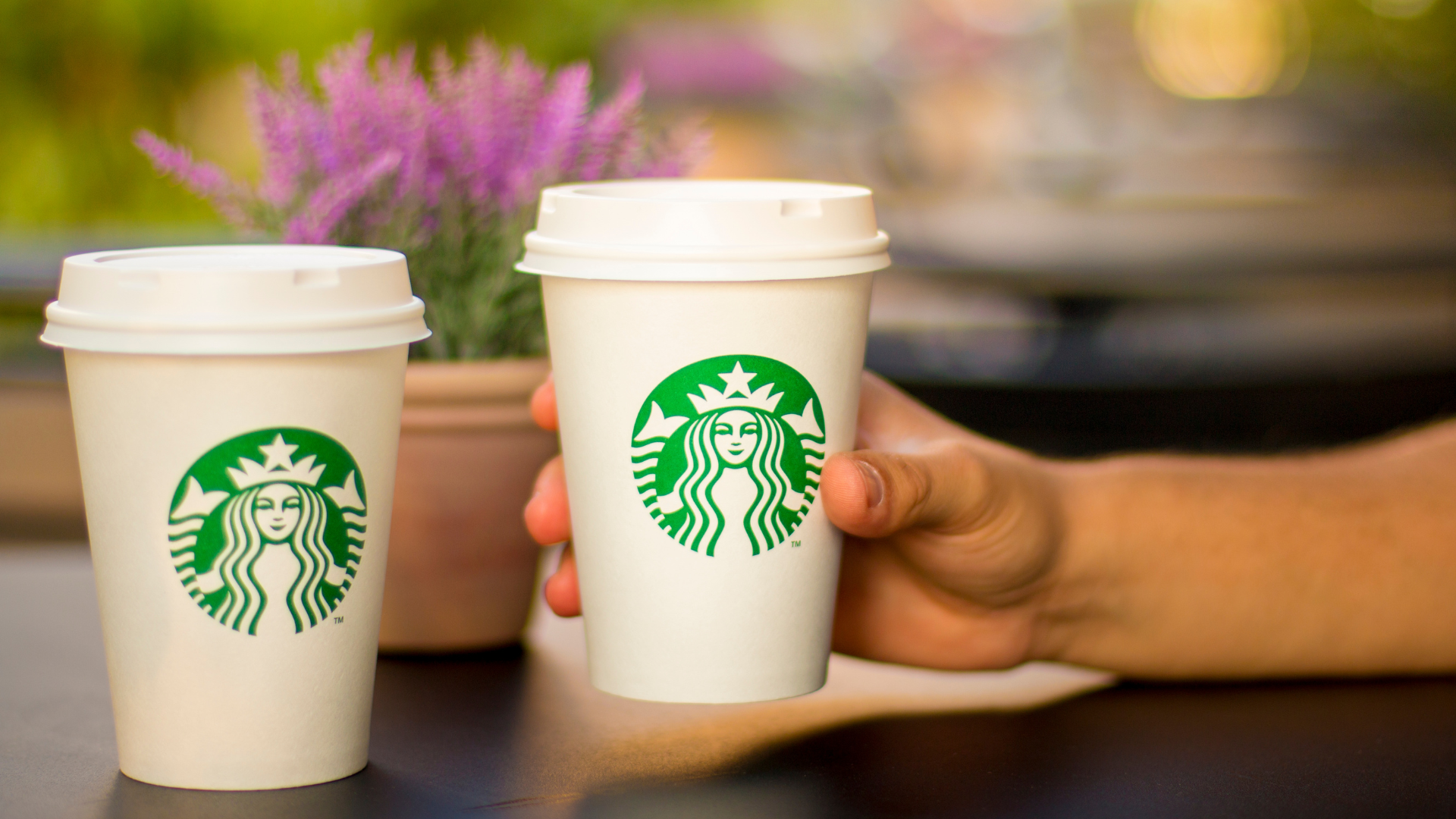
Starbucks Helped Popularize the Matcha Latte
For many Americans, Starbucks was their first introduction to matcha.
When Starbucks added matcha lattes and iced matcha drinks to its menu, the flavor became much more approachable for mainstream consumers. Traditional matcha can taste grassy or slightly bitter, but sweetened café versions made it easier for beginners to enjoy.
Once customers became familiar with the flavor through Starbucks, other cafés quickly followed the trend. Soon matcha drinks started appearing in Bubble tea shops ,Dessert cafe,Convenience stores.
The matcha latte eventually became one of the most recognizable non-coffee cafe drinks in the country.
Matcha Became a Popular Dessert Ingredient on TikTok and Instagram
Beyond drinks, matcha also became one of the most popular dessert flavors online.
One reason for this popularity is visual appeal. The natural green color makes desserts look unique and premium in photos and videos.
TikTok and Instagram food creators helped turn matcha into a trendy “must-try” flavor, especially among younger audiences who enjoy discovering aesthetically pleasing desserts online.
National Matcha Day Activities and Promotions
Limited-Time Matcha Menus
During National Matcha Day, many coffee chains and dessert brands launch special matcha-themed menu items.
Limited-time products create excitement and encourage customers to visit stores before the promotions disappear.
Discount and Loyalty Promotions
Discount marketing is another major part of National Matcha Day in the U.S.
Read More: National Matcha Day: Earn 3x Points on Dunkin’® Matcha
These campaigns help companies increase customer engagement while also generating more online discussion about matcha.
For example, coffee chains sometimes run promotions like extra reward points for purchasing matcha beverages during the holiday period. These small incentives are very effective in encouraging customers to participate and share their purchases online.
How to Make Matcha Cream Using a Cream Charger?
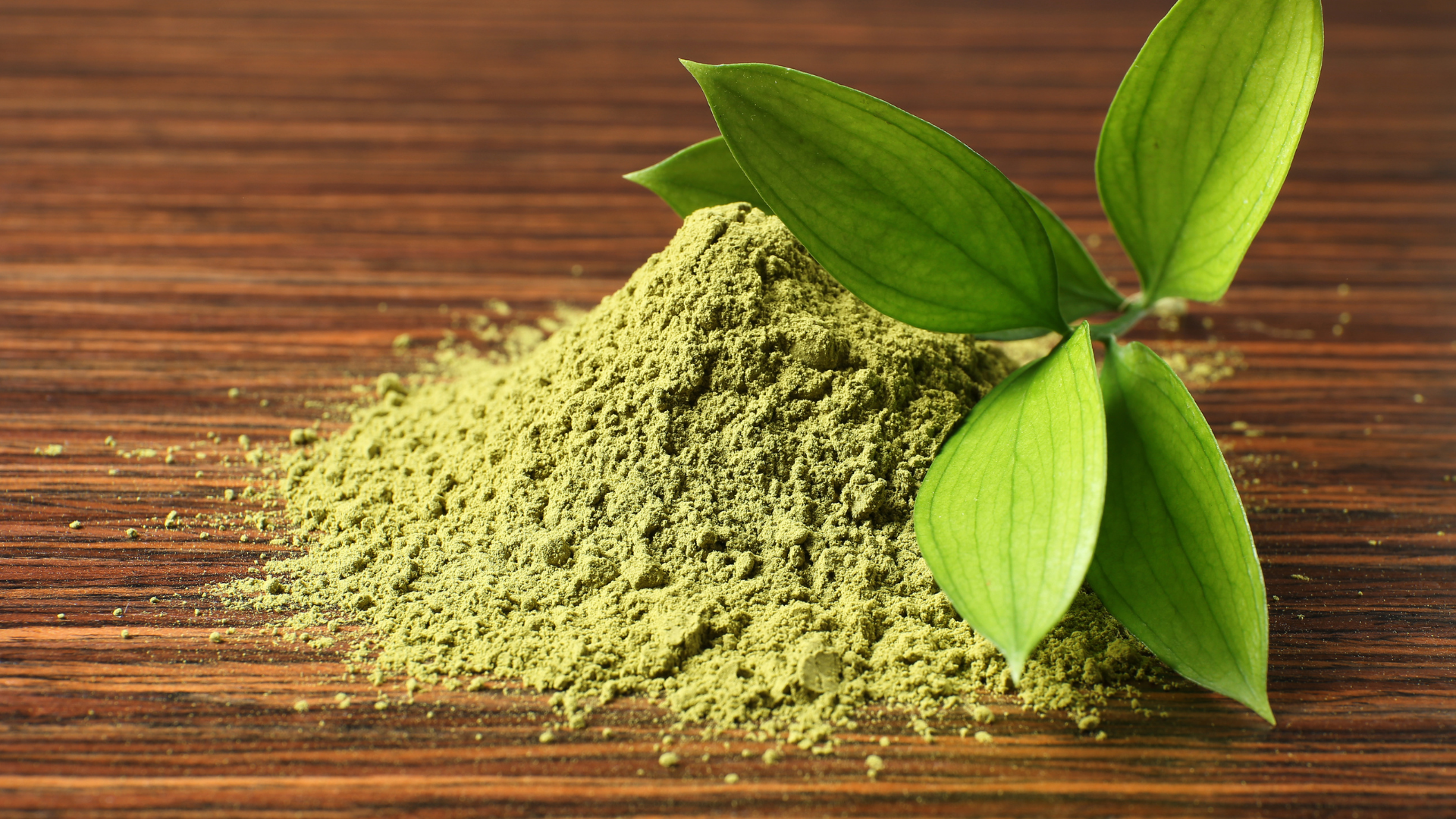
Matcha cream has become a popular topping for drinks and desserts because it adds both creamy texture and rich tea flavor. Many cafes now use cream chargers to make smooth, airy matcha whipped cream quickly and consistently.
Ingredients You’ll Need
To make matcha whipped cream, prepare:
1 cup heavy cream
1–2 teaspoons matcha powder
2 tablespoons sugar or flavored syrup
A whipped cream dispenser
Step-by-Step Instructions
Start by sifting the matcha powder carefully to remove clumps. This step is important because matcha can easily become uneven when mixed directly into cream.
Next, pour the heavy cream into the dispenser and add the matcha powder along with sugar or syrup. Close the lid tightly and connect the whipped cream charger tank with the dispenser instructions.
Shake the dispenser several times so the gas mixes evenly with the cream. Then refrigerate it for around 20–30 minutes before serving.
Once chilled, dispense the matcha cream onto drinks, pancakes, waffles, cakes, or desserts.
The final texture should be light, smooth, and slightly foamy — similar to the whipped matcha toppings commonly used in modern cafes.
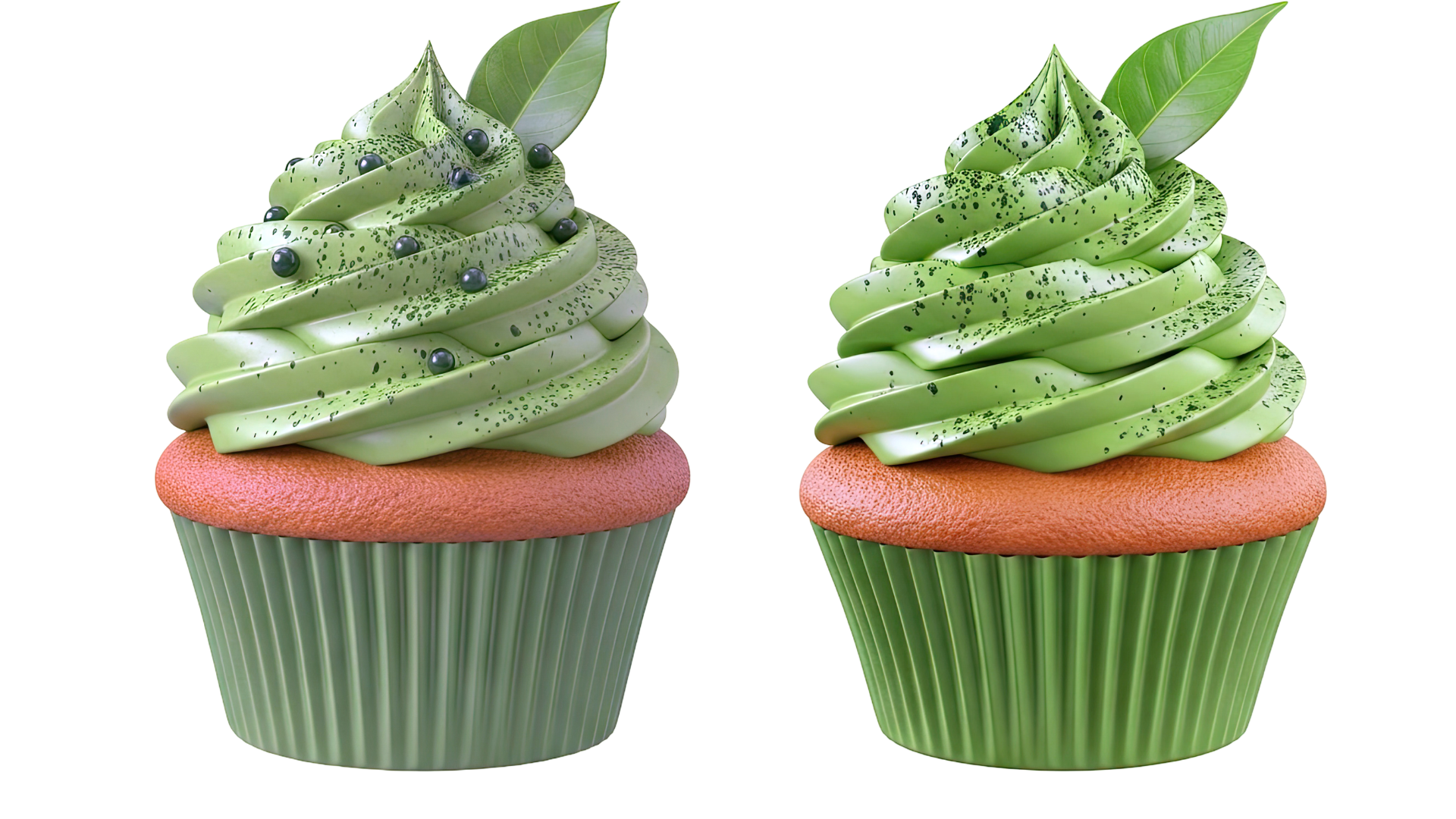
Many coffee shops now use cream chargers to create:
Matcha cold foam
Matcha whipped toppings
Matcha mousse fillings
Matcha dessert creams
This method saves time while creating a more professional cafe-style texture.
Matcha Recipe
Read More:Halloween Matcha Three-Eyed Monster Cake
Matcha’s popularity in the United States is the result of several trends coming together at the perfect time. Health-conscious consumers wanted alternatives to coffee, social media made visually appealing drinks go viral, and cafe brands successfully turned matcha into a modern lifestyle product.
National Matcha Day on May 2 has also helped strengthen matcha culture by giving brands and consumers a reason to celebrate and share matcha creations every year.
From Starbucks lattes to homemade matcha whipped cream, matcha has become much more than just tea in America. It has evolved into a symbol of modern cafe culture, wellness trends, and social media-driven food experiences — and its popularity shows no signs of slowing down anytime soon.


.png?w=800&h=800)