
As larger-format nitrous tanks become more popular, especially the 3.3L nitrous tank, many users start asking the same question: do these tanks need special storage, or can they be treated like standard cream chargers?
The short answer is yes — 3.3L nitrous tanks do require more careful storage than small N2O cartridges. The recommended storage method is to keep the tank in a cool, dry, and well-ventilated indoor area, placed upright and secured to prevent tipping. According to compressed gas safety guidelines, cylinders should always be stored upright and kept below 125°F to prevent pressure risks.It should be kept away from heat sources, direct sunlight, and high-traffic areas to avoid damage or accidental leaks. Proper storage helps extend the tank’s lifespan and ensures safe, consistent use.
Storage Differences Between Large N2O Tanks and Small Cream Chargers
1. Capacity and Gas Volume
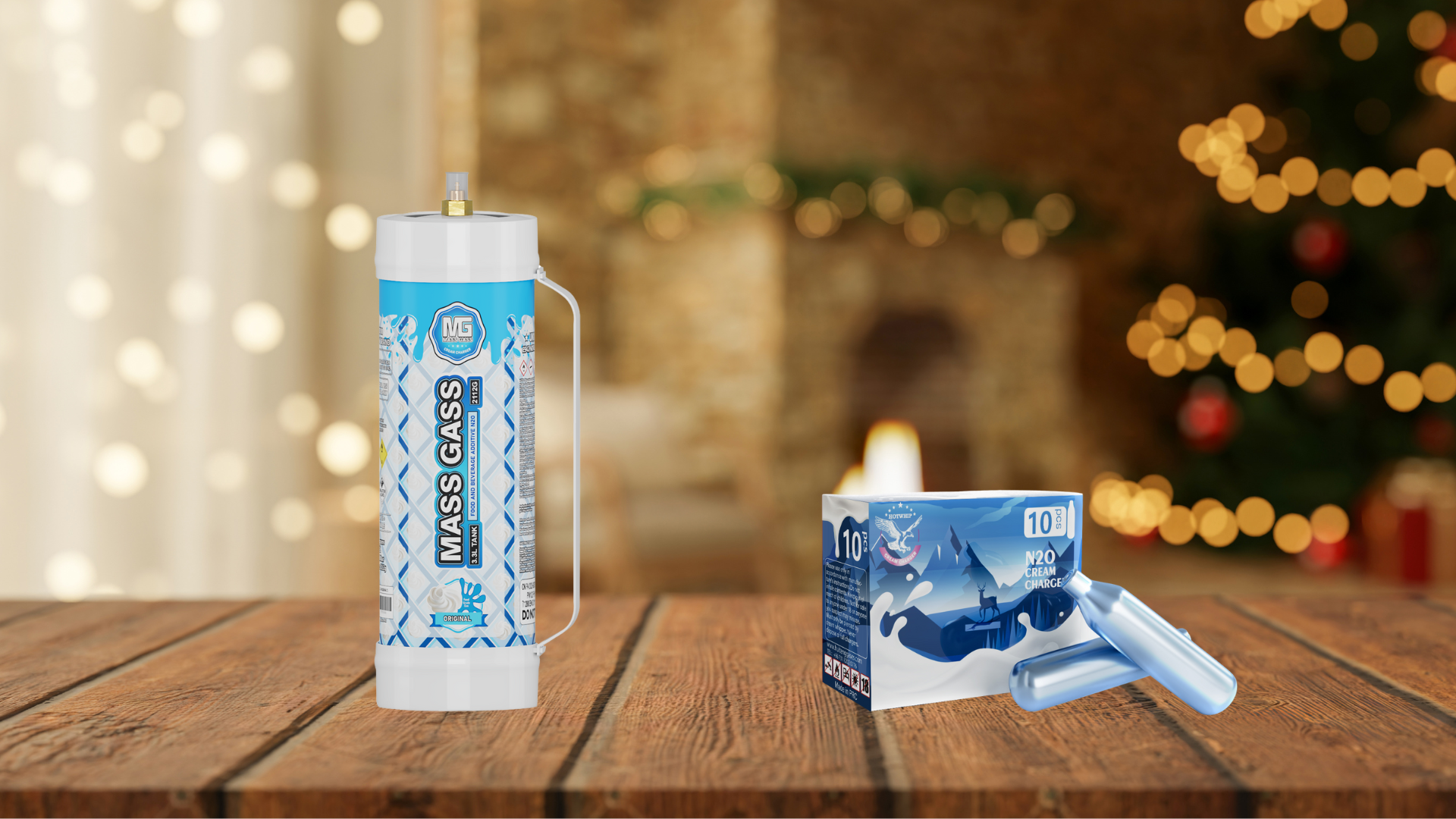
Small cream chargers typically contain around 8 grams of nitrous oxide and are designed for single-use applications. In contrast, large N2O tanks (such as 3.3L cylinders) hold a significantly greater volume of gas, making them suitable for high-demand or continuous use. This difference in capacity directly impacts how each should be stored and handled.
2. Pressure and Container Design
Cream chargers are compact, sealed cartridges with relatively lower total gas volume, while large N2O tanks operate as high-pressure cylinders. Due to the increased internal pressure, larger tanks require more careful positioning and protection from physical damage.
3. Storage Position Requirements
Small cream chargers can be stored in boxes or containers without strict orientation requirements. However, large nitrous tanks should always be stored upright to protect the valve and maintain stability.
4. Safety and Handling Precautions
Because of their size and pressure, large N2O tanks require additional safety measures, such as securing them to prevent tipping and keeping them away from high-traffic areas. Cream chargers, on the other hand, are generally safer to store in bulk with basic precautions.
Read More:How Nitrous Oxide Is Stored Safely in Tanks?
Why 3.3L Nitrous Tanks Require Higher Storage Standards?
The main reason larger nitrous tanks need better storage is pressure. A 3.3L tank contains a much higher volume of nitrous oxide under pressure, which means environmental factors like heat, impact, or improper positioning have a greater effect.
Even though these tanks are built to strict safety standards, consistent exposure to poor conditions can increase wear on valves and seals. Proper storage isn’t just about safety — it also helps maintain performance and extend the usable life of the tank.
How to Store a 3.3L Nitrous Tank?
A cool, dry, and well-ventilated area is ideal for storing a 3.3L nitrous tank. Indoor storage is generally preferred, as it offers more stable temperatures and protection from weather changes.
The tank should always be stored upright on a flat surface. This position reduces stress on the valve and lowers the risk of accidental movement or tipping. Keeping the tank away from direct heat sources, appliances, or open flames is essential, even if the space feels otherwise safe.
Read More:How to Properly Use Large Nitrous Oxide Tanks?

Do You Need to Secure or Stabilize the Tank?
While small cream chargers don’t require stabilization, a 3.3L nitrous tank often should be secured, especially in commercial kitchens, storage rooms, or garages. Simple anti-tip measures, such as placing the tank in a corner, using a holder, or securing it with a strap, can significantly reduce the risk of it falling over.
This isn’t always legally required, but it’s considered best practice, particularly if the tank is stored in a high-traffic area.
Read More:WHIPPET CANISTERS & CARTRIDGES LITTER DETROIT STREETS - ER VISITS SKYROCKET
How Temperature, Humidity, and Sunlight Affect Nitrous Tanks?
Temperature plays a major role in nitrous tank storage. Excessive heat can increase internal pressure, while extreme cold may affect valve performance. A stable, moderate temperature is always best.
Humidity is another factor that’s often overlooked. High moisture levels can lead to external corrosion over time, especially around the valve area. Direct sunlight should also be avoided, as prolonged sun exposure can heat the tank unevenly and degrade labeling or safety markings.

Common Storage Mistakes to Avoid
One of the most frequent errors is storing a 3.3L nitrous tank on its side. While this might seem convenient, it increases the risk of valve damage and makes the tank more likely to roll or shift.
Another common mistake is storing tanks in outdoor sheds, cars, or near heat-producing equipment. These environments often experience temperature swings that are not ideal for pressurized gas containers.
Risks of Improper Storage
Improper storage can lead to more than just cosmetic damage. Over time, poor conditions may weaken seals, increase the chance of leaks, or create unsafe pressure situations. In extreme cases, improper storage increases the risk of sudden gas release or tank instability.
Even when no immediate issues appear, long-term neglect can shorten the tank’s lifespan and reduce reliability during use.
So, do 3.3L nitrous tanks need special storage? Compared to small cream chargers, absolutely.
Because of their size and pressure, 3.3L nitrous tanks benefit from cooler temperatures, stable positioning, and thoughtful placement. With proper storage, these tanks are safe, reliable, and convenient — but treating them casually like disposable chargers is a mistake best avoided.
If you’re using or selling large nitrous tanks, understanding proper storage isn’t just smart — it’s essential.
FAQ
Do Nitrous Tanks Explode If Stored Incorrectly?
Nitrous tanks don’t usually explode, but improper storage can increase internal pressure. High heat, sunlight, or damage may lead to leaks or, in rare cases, rupture.
Store tanks in a cool, dry, and well-ventilated place to stay safe.
Can You Store Nitrous Oxide in a Garage?
Yes, as long as the garage is cool and well-ventilated.
Avoid areas with high temperatures, direct sunlight, or nearby flames, especially during hot weather.
Should Nitrous Tanks Be Refrigerated?
No, refrigeration is not recommended.
Condensation can cause moisture damage and corrosion. Store tanks at stable room temperature instead.
Can You Lay a Nitrous Tank on Its Side?
It’s best to store nitrous tanks upright.
Keeping them vertical helps maintain stability and protects the valve. If placed on the side temporarily, secure the tank to prevent movement.




.png?w=800&h=800)