

I’ve made mulled wine more times than I can count—holiday dinners, winter pop-ups, late nights after service. And honestly, the most common feedback I hear isn’t “too sweet” or “too strong,” it’s “something’s missing.”
When mulled wine tastes bland, it’s rarely a disaster. It’s just… quiet.
What Mulled Wine Should Taste Like?
Good mulled wine should feel layered the moment it hits your nose. You should smell citrus before you even take a sip, then warmth from the spices, then the body of the wine underneath. When it’s done right, the flavors don’t compete—they stack.
If all you taste is hot red wine with a hint of cinnamon, that’s usually a sign the flavors never fully opened up.

The Downsides of Traditional Mulled Wine Methods
The classic stovetop method works, but it’s blunt. Heat is doing all the work, and heat isn’t very precise. I’ve seen people simmer wine until the kitchen smells amazing, only to pour a drink that tastes surprisingly flat.
What’s happening is simple: aroma escapes faster than flavor builds. By the time the spices have given up what they can, a lot of the brighter notes are already gone.
Common Mistakes That Make Mulled Wine Taste Bland
Most bland mulled wine comes down to a few simple errors:
1,Using low-impact spices
Old spices lose potency. If your cinnamon sticks or cloves have been sitting around for years, they won’t do much.
2,Not enough acidity
Without citrus peel or a splash of fresh juice, mulled wine can taste flat and heavy.
3,Too much heat, not enough time
People often rush the process or overheat the wine, which removes aroma instead of building flavor.
4,Playing it too safe
Under-spicing is very common. Mulled wine needs bold seasoning to stand up to red wine.

Using a Cream Charger to Wake Everything Up
This is where I started experimenting. In kitchens, we use pressure all the time to move flavor faster than heat ever could. A cream charger does exactly that.
Instead of cooking the spices into the wine, the pressure forces their aroma into it. You still warm the wine slightly, but you’re no longer depending on simmering to extract flavor. The difference is immediate: brighter nose, deeper spice, cleaner finish.
It doesn’t make mulled wine taste “modern” or gimmicky—it just makes it taste finished.
Bland mulled wine usually means the flavors never got a chance to fully meet each other. Either they were rushed, overheated, or held back.

How I Use a Cream Charger for Mulled Wine in Practice?
I start by gently warming the wine until it just begins to steam—never simmering. While it warms, I lightly bruise whole spices like cinnamon sticks, star anise, and cloves, then peel a thin strip of fresh orange zest, avoiding the bitter pith.
The warm wine goes into a compatible cream dispenser along with the spices and orange peel. I connect a cream charger at once, give it a gentle shake, and let it rest for about two to three minutes. That short rest is enough for the pressure to pull the spice oils and citrus aroma into the wine.
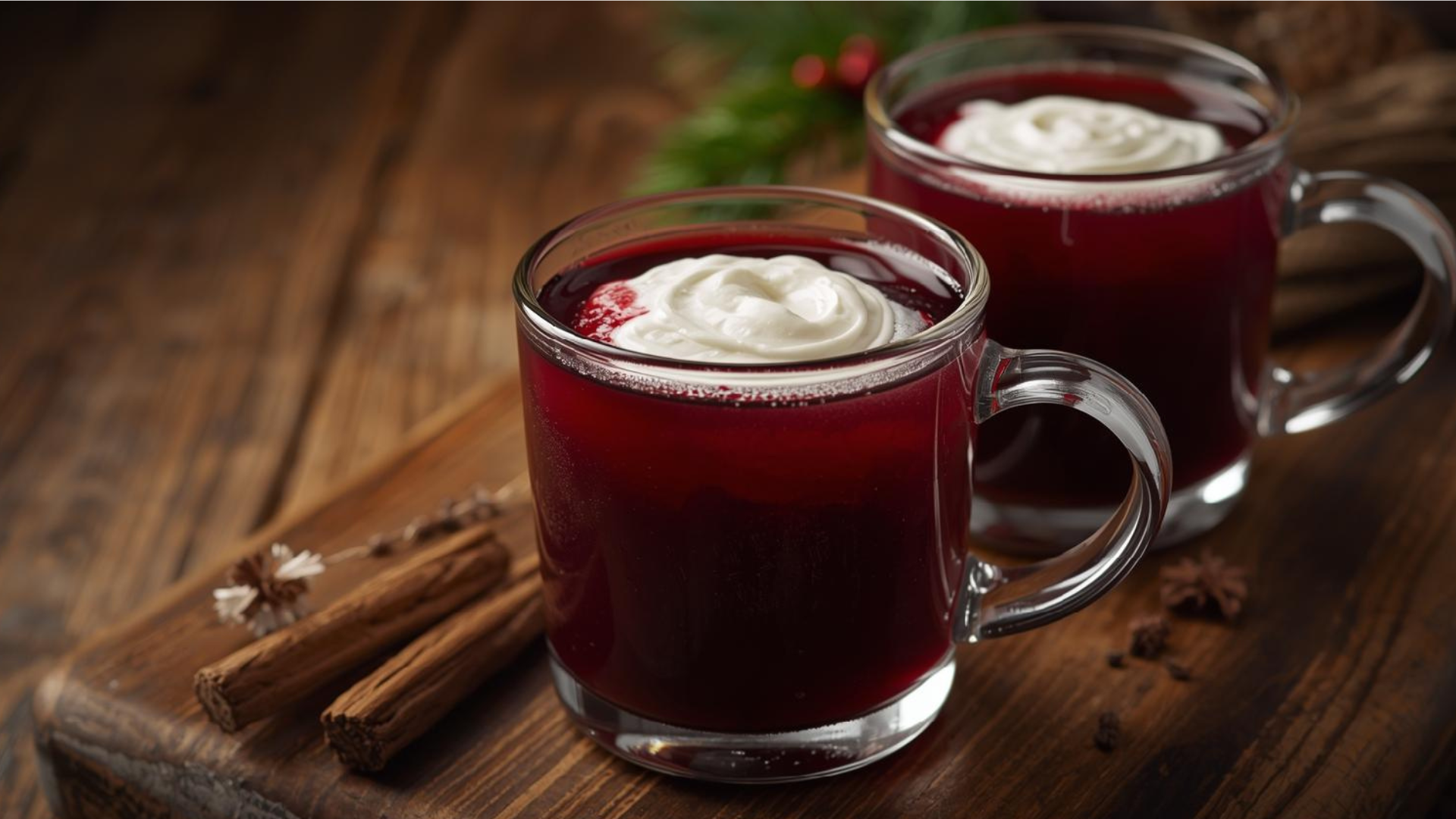
I release the pressure slowly, strain immediately, and reheat gently if needed. Because the flavors are already fully extracted, I usually find the wine needs less sugar than with a long simmer.his is also where I like to finish it with mulled wine with whipped cream—a small, lightly sweetened cap on top, not a heavy layer. The warm spices and citrus cut through the cream, and the cream softens the alcohol edge without hiding the wine.
It’s faster, more controlled, and you don’t lose the brighter notes along the way. Once you get used to this method, going back to boiling spices on the stove feels… a little crude.
If you treat mulled wine the way you’d treat a sauce—building aroma first, protecting balance, and using the right tools—it becomes what it’s supposed to be: warm, expressive, and impossible to ignore.




.png?w=800&h=800)