
At first glance, Baileys custard feels like it should work perfectly in a cream dispenser. It’s creamy, rich, and already smooth. But if you’ve actually tried it, you probably ran into the same problem many people do: you charge the dispenser, shake it, press the lever… and what comes out is thin, flat, or barely aerated.
This isn’t a rare issue, and it’s not because your cream dispenser or nitrous tank is faulty. The problem is mostly about how Baileys custard behaves once nitrous oxide is involved.
What Is Baileys Custard?
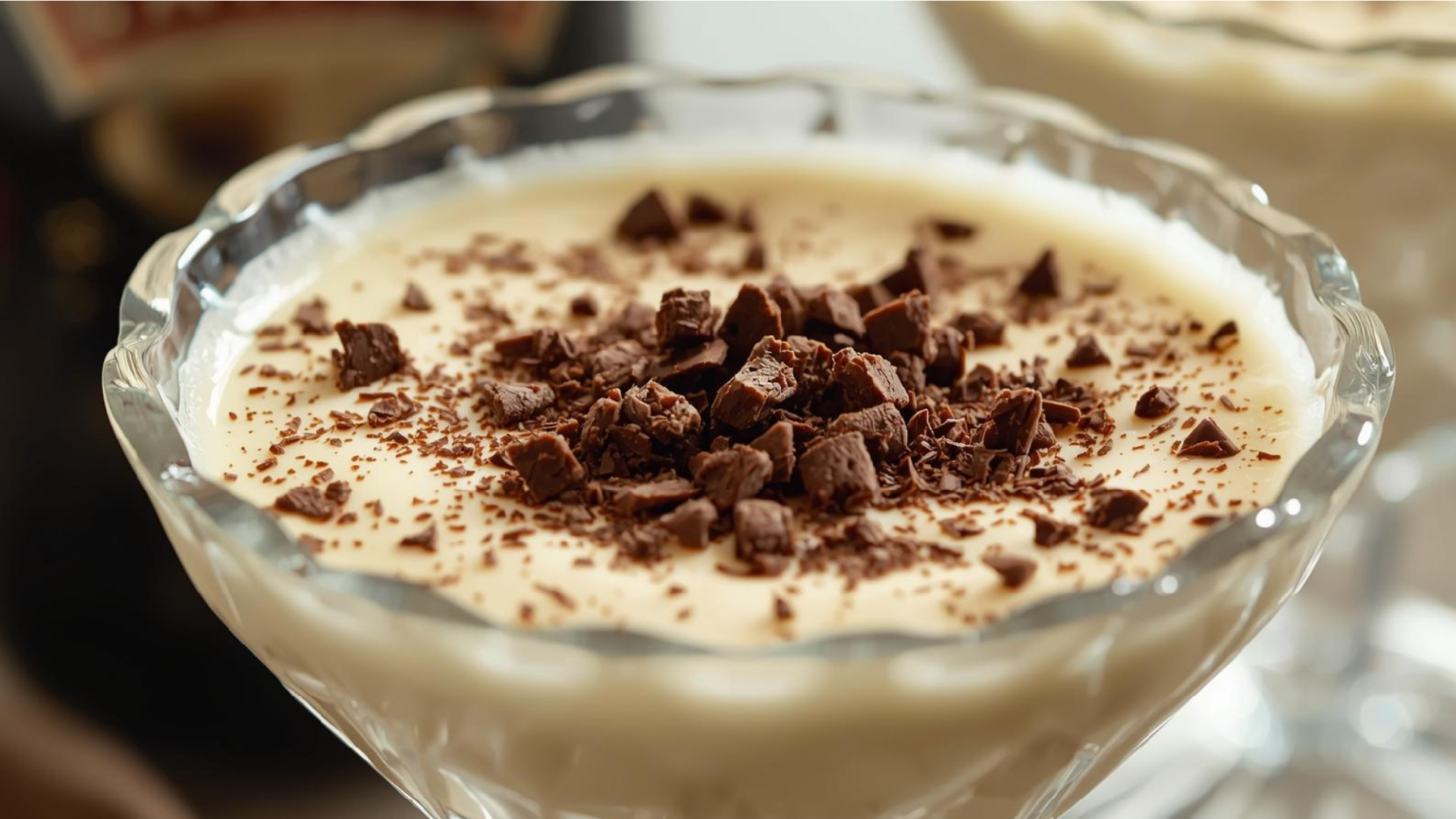
Baileys custard is essentially a classic custard base with Baileys Irish Cream added for flavor. Traditional custard relies on milk or cream, egg yolks, and sugar, gently cooked to thicken. When Baileys is introduced, you’re also adding alcohol, extra sugar, and emulsified fats.
That combination works beautifully in a bowl, but it changes the internal structure of the mixture. Once alcohol and egg proteins are in play, the custard no longer behaves like something that naturally traps gas.
How Baileys Custard Is Usually Made ?
Most Baileys custard recipes are designed to be spooned or poured, not dispensed under pressure. Milk is often used alongside cream, egg yolks provide thickness, and the mixture is cooked until smooth and dense.
From a dessert perspective, that’s perfect. From a cream dispenser perspective, it’s a problem. Cream dispensers work best with liquids that are fat-rich, elastic, and able to absorb nitrous tank evenly. Cooked custard tends to be dense and structured, which limits how much gas it can hold.
How a Cream Dispenser Actually Works?
A cream dispenser doesn’t whip in the traditional sense. It relies on nitrous oxide dissolving into fat under pressure. When the pressure is released, the gas expands and creates a light, airy texture.
This is why heavy cream works so reliably. It has enough fat for the gas to dissolve into, and its structure is flexible.baileys custard, on the other hand, has competing elements—alcohol, eggs, and sugar—that interfere with gas absorption and release.
Why Your Cream Dispenser Fails with Baileys Custard?
Alcohol Weakens Gas Retention
Even though Baileys is relatively mild, alcohol still reduces the ability of nitrous oxide to stay dissolved in the mixture. The gas escapes too quickly, leaving you with a liquid result instead of a stable foam.
Fat Ratio Is Often Too Low
Fat ratio is another major factor. Many custard recipes dilute cream with milk, which drops the overall fat content below what a cream dispenser prefers. Without enough fat, the gas simply has nothing to hold onto.
Egg Yolks Fight the Foam
Egg yolks also play a role. They thicken custard by forming protein networks, but inside a dispenser, those same proteins restrict gas movement. This can lead to weak foam, inconsistent texture, or even nozzle blockages.
Sugar Increases Density
Finally, sugar increases density. A sweeter custard is thicker and heavier, making it harder for gas to expand properly when dispensed.
Common Cream Dispenser Usage Mistakes
Even when the recipe is close to workable, technique still matters. Baileys custard needs to be perfectly smooth before going into the dispenser. Any small lumps or cooked egg particles can disrupt gas flow.
Temperature is another overlooked detail. If the mixture isn’t properly chilled, nitrous oxide won’t dissolve efficiently. Shaking also needs to be firm and deliberate, especially with thicker mixtures like custard.
These issues don’t always show up with plain whipped cream, which is much more forgiving.
How to Make Baileys Custard Work in a Cream Dispenser?
If your goal is a Baileys-flavored foam rather than a traditional custard, adjustments are necessary. Using heavy cream only, skipping egg yolks, and relying on light stabilizers instead of cooking makes a huge difference. Adding Baileys after the base has cooled helps preserve gas performance.
At this point, the result is closer to a Baileys cream foam than a classic custard, but it dispenses cleanly and holds its shape far better.
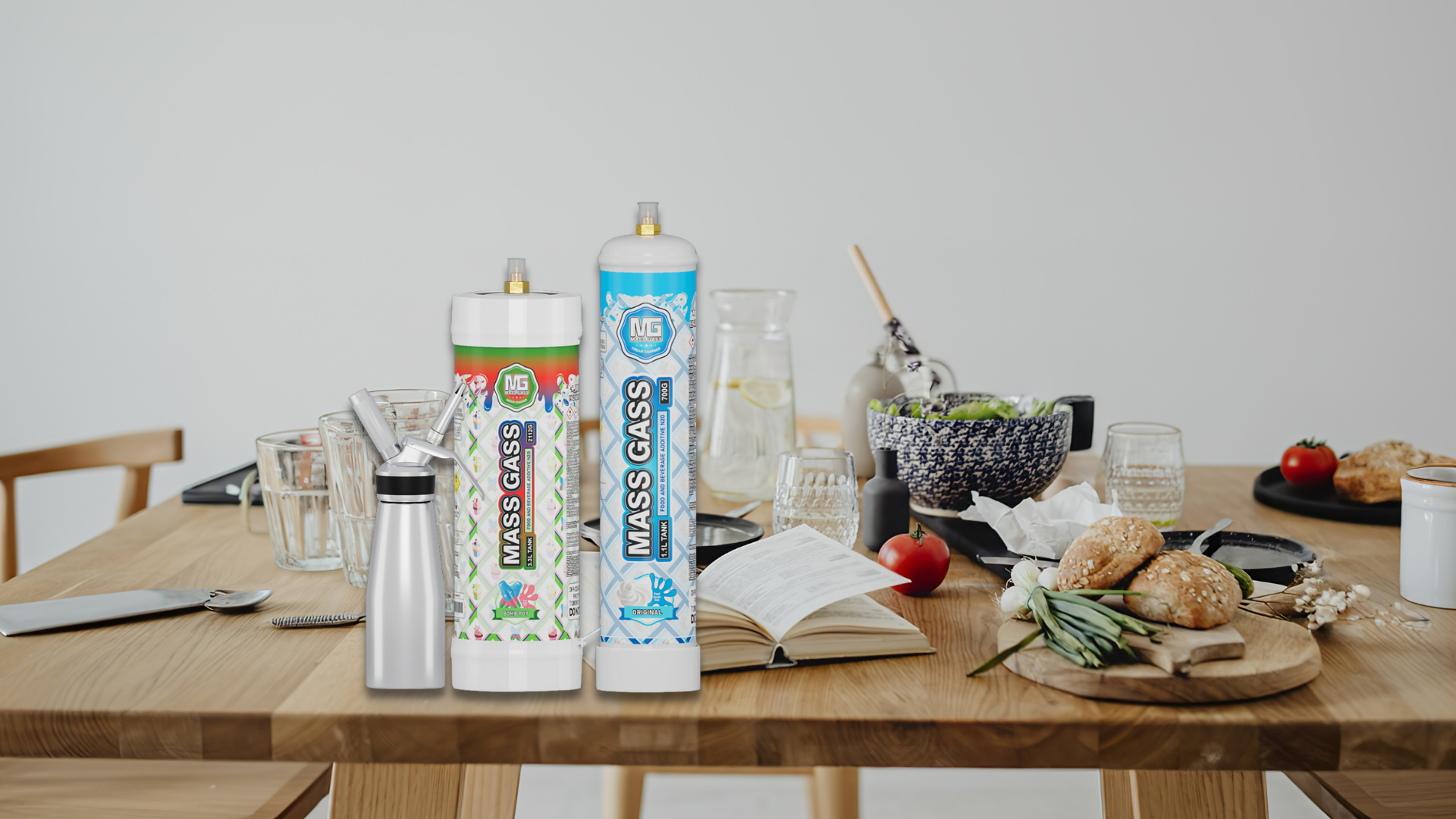
Baileys custard doesn’t fail in a cream dispenser because the dispenser is unreliable. It fails because custard chemistry and nitrous oxide don’t naturally cooperate. Once you understand how alcohol, fat content, and egg structure affect gas infusion, the disappointing results start to make sense.
Treating the cream dispenser as a precision tool—and adjusting the recipe accordingly—is the key to getting consistent, professional results.




.png?w=800&h=800)