
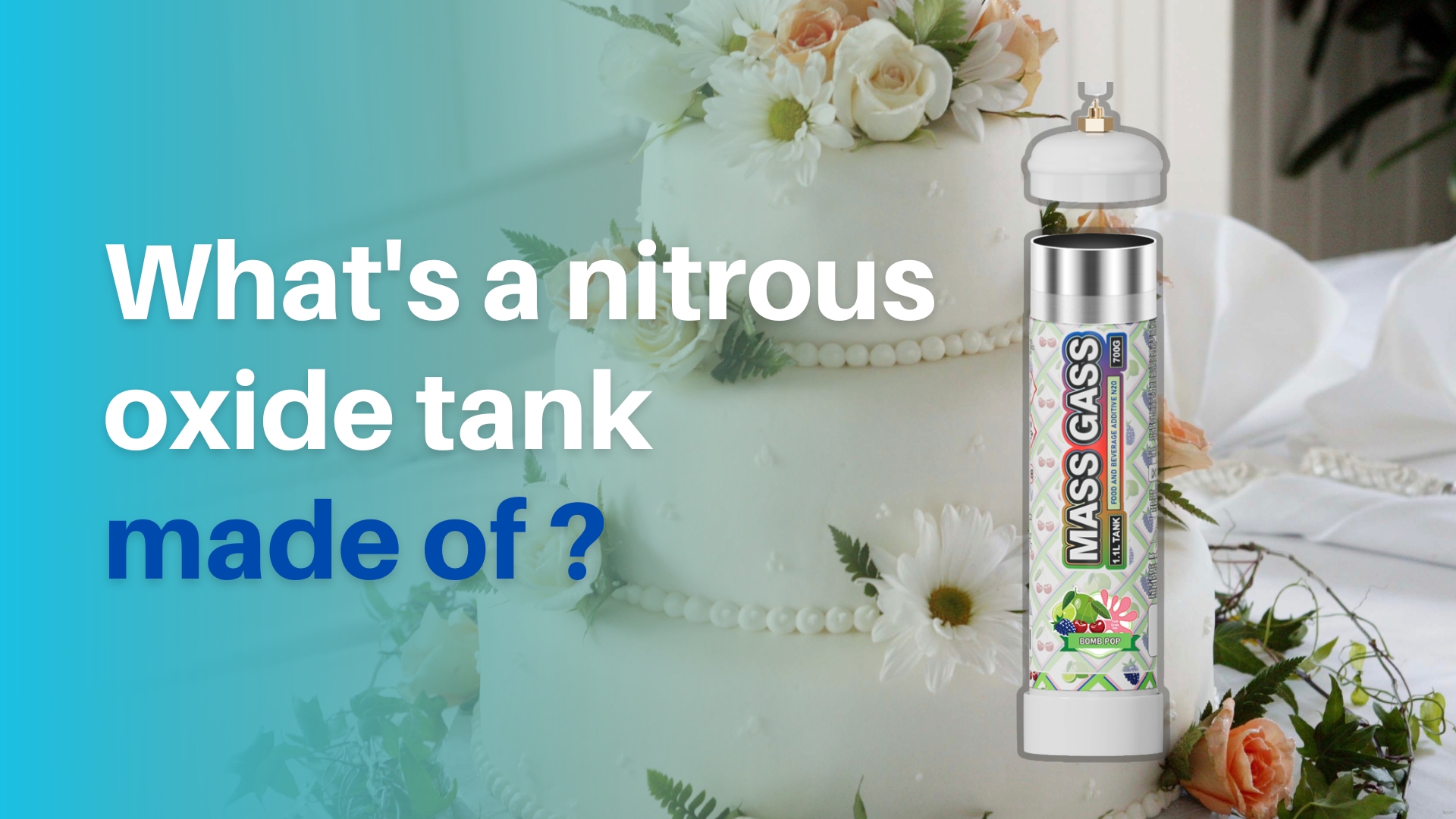
Many cream charger users focus heavily on the quality of the gas but often overlook the importance of the tank itself. However, the material of the nitrous oxide canister plays a crucial role in both safety and performance. How exactly does it impact the overall experience? Let’s take a closer look.
What Are Nitrous Oxide Tanks Made Of?
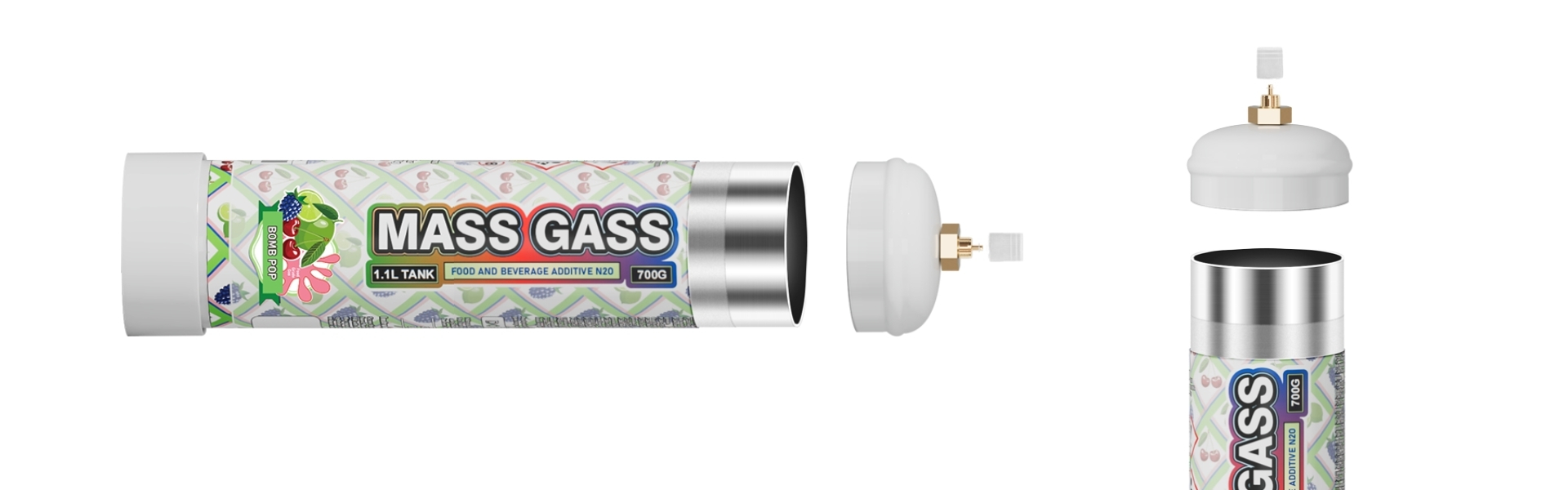
Nitrous oxide tanks are typically made from high-grade aluminum alloys—such as 6061—or strong forms of steel like stainless steel or carbon steel. Each material offers specific advantages in terms of strength, durability, and safety. Aluminum alloy 6061, for example, is lightweight yet highly resistant to corrosion, making it a popular choice for portable cream chargers and food-grade applications.
On the other hand, stainless and carbon steel options provide superior pressure resistance and structural integrity, which is ideal for high-volume or industrial use. Choosing the right tank material is essential for ensuring safe gas storage, optimal performance, and compliance with safety regulations.
The impact of tank material on safety and performance
Pressure Resistance
Steel tanks generally offer higher tensile strength, meaning they can withstand higher internal pressures and extreme conditions. While aluminum tanks are strong and safe under normal operating pressure, steel provides a slightly larger safety margin in demanding use cases.
Impact and Temperature Stability
Steel is more resistant to deformation under physical stress, making it ideal in settings prone to dropping, vibration, or heat. Aluminum performs well too, but may deform more easily under extreme conditions.
Food-Grade Purity
Both steel and aluminum can be food-safe, but must meet regulatory purity standards. Aluminum's natural oxide layer resists corrosion, which is crucial to prevent metal ion leaching into cream or other consumables. For steel, protective coatings (like powder coating or electropolishing) are often applied to achieve food-grade safety.
Corrosion Resistance
Aluminum has natural anti-corrosion properties due to its oxide layer.
Steel, especially carbon steel, requires protective finishes to avoid rusting, especially in humid kitchens or during cleaning.

Performance in Real Use
Beyond safety, material also affects the user experience and operational performance.
Weight
Aluminum is significantly lighter than steel — ideal for handheld cream chargers and applications requiring portability.
Steel tanks are heavier but more robust, making them better suited for fixed or large-scale systems.
Thermal Conductivity
Aluminum conducts heat faster, which is both a blessing and a caution. It helps with rapid cooldown during filling, but can also overcool quickly and risk icing or regulator freezing. Steel changes temperature more slowly, offering more stability in industrial settings.

Shape Retention
Steel tanks hold their shape better during repeated pressurization cycles or in environments with mechanical stress.
Compliance and Certification
No matter the material, all nitrous oxide tanks used for food must adhere to strict regulatory standards:
FDA (U.S.) / LFGB (EU) compliance for food contact materials
CE marking for European safety assurance
DOT (Department of Transportation) or UN pressure vessel certifications for safe gas transport
Batch traceability and tamper-proof sealing for product integrity
Both aluminum and steel tanks can meet these requirements if processed correctly, but materials must be selected and treated with certifications in mind from the start.
When it comes to nitrous oxide tank manufacturing, material choice is more than just a technical detail — it affects everything from user safety to long-term performance and regulatory compliance.




.png?w=800&h=800)