

Nitrous oxide tanks are built to be durable, but they’re not something you should take for granted. Because they store gas under high pressure, even small damage can affect safety or performance. The problem is, damage isn’t always obvious at first glance.
If you regularly use nitrous oxide for culinary or beverage applications, learning to spot early warning signs can save you from wasted gas, poor results, or unnecessary risks. Many experienced users naturally check their tanks before use — not out of fear, but out of habit.
Let’s talk about what to look for.
Pay Attention to the Tank’s Exterior
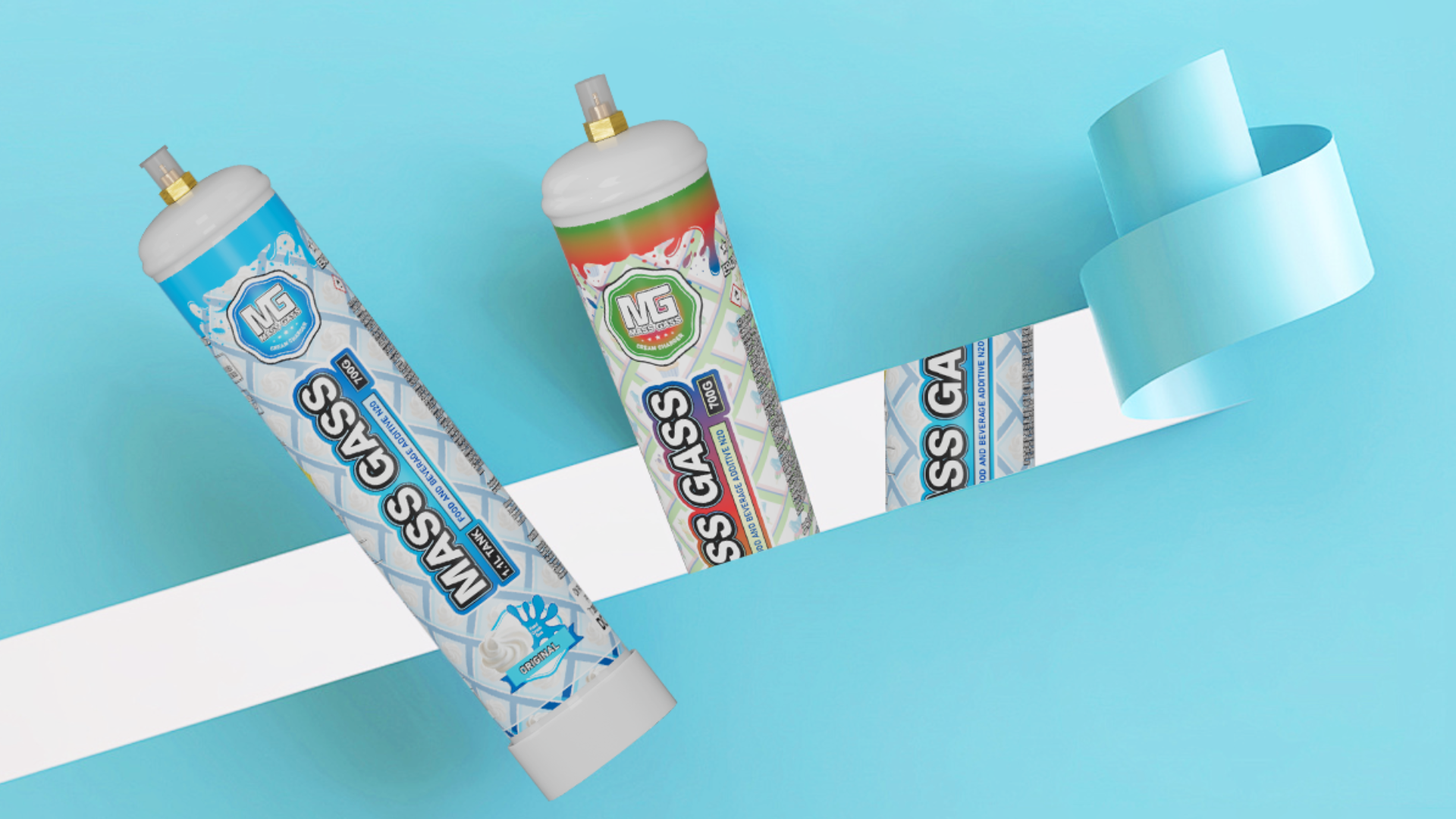
Most issues leave some trace on the outside. A tank that has been dropped or handled roughly may show dents or look slightly uneven. Not every scratch is a problem — tanks go through shipping and normal handling — but a deep dent is different.
If the shape of the tank looks off, it’s worth taking seriously. Pressurized containers depend on their structure to stay safe. When that structure is compromised, it’s not something to ignore.
Watch for Rust or Corrosion
Rust is one of those slow, quiet problems. It doesn’t happen overnight, but once it starts, it weakens metal over time.
A tiny discoloration spot can be harmless, especially in older tanks. But visible rust patches, rough spots, or flaking metal usually mean the tank was exposed to moisture. This is why proper storage matters more than people think.
Keeping whip cream chargers in a dry, cool area helps prevent this altogether.
Notice Any Signs of Leaking
Leaks are actually more common than major physical damage. Sometimes it’s a faint hissing sound; sometimes you just realize the tank emptied faster than expected.
Some users mention a slightly sweet smell when nitrous oxide escapes. If anything feels off, don’t try to “fix” it yourself. Nitrous oxide tanks aren’t DIY projects. A leaking tank should be replaced, period.
Check the Valve Area
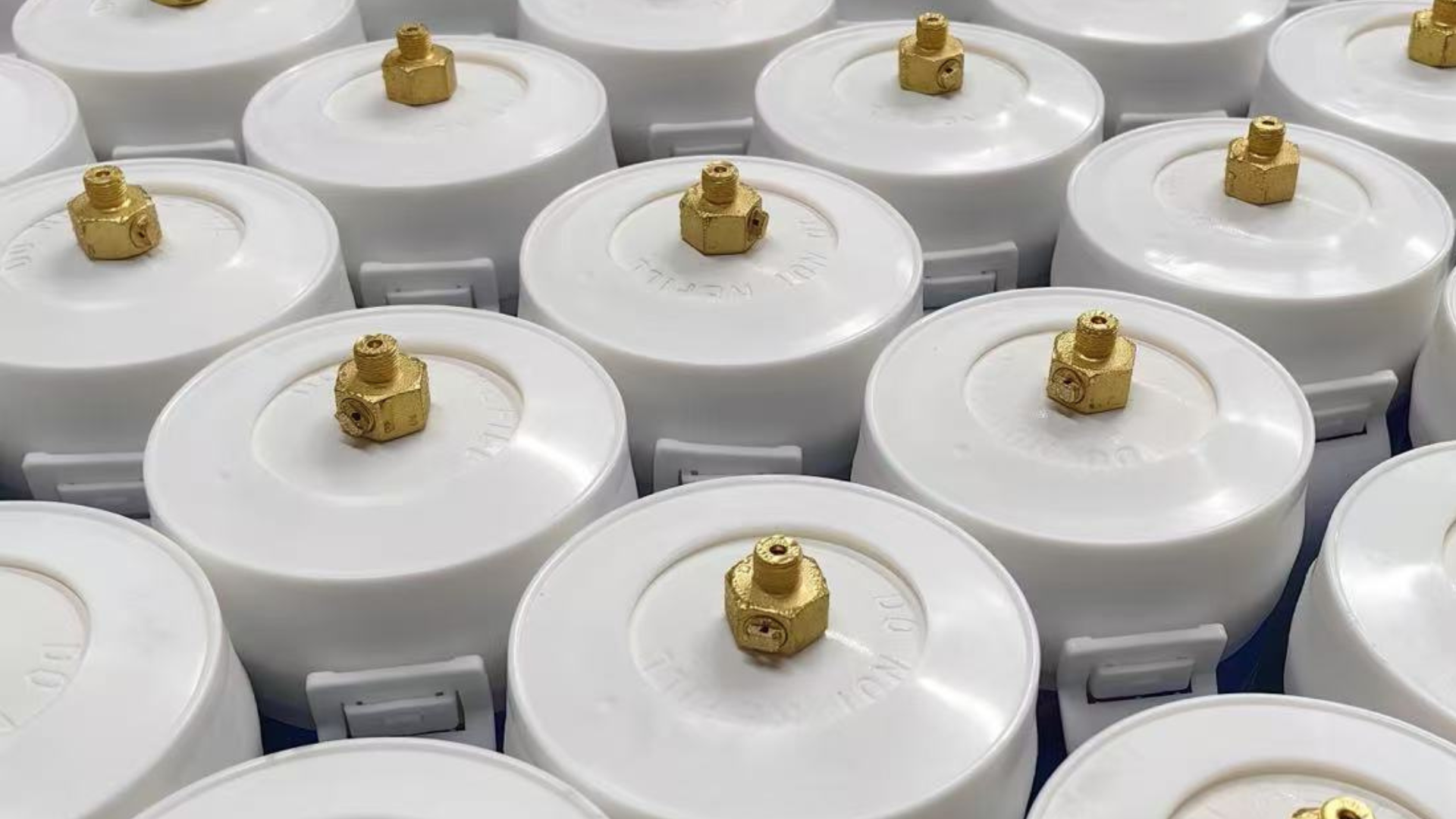
The valve is where many small problems show up. If it looks bent, loose, or dirty, that can affect gas flow. Even a bit of debris can cause issues.
In real-world use, a lot of “bad tank” complaints come down to valve condition rather than the tank body. A quick look here can tell you a lot.
Performance Can Be a Clue
Sometimes the tank doesn’t look damaged at all, but it doesn’t perform like usual. Maybe the pressure feels weak, or the gas release is inconsistent.
Long-time users often notice this right away. When something changes without explanation, it’s worth checking the tank instead of assuming it’s normal.
Trust Your Instincts
This might sound simple, but it’s solid advice: if a tank makes you hesitate, don’t use it. Nitrous oxide tanks are replaceable — safety isn’t.
Most problems can be avoided with basic care. Store tanks upright, keep them away from heat, and avoid dropping them. Buying from reputable suppliers also reduces the chances of receiving poorly handled stock.
A quick inspection only takes a few seconds, but it can prevent a lot of trouble. Once you get used to it, it becomes second nature.


.png?w=800&h=800)