Product quality has always been a top concern for users. As a cream charger manufacturer, we are here today to explain from a professional perspective how to evaluate the quality of cream chargers, helping you avoid pitfalls and make safe, reliable purchases.
Hazards of Low-Quality Gas: Hidden Health Risks
Potential Health Risks
Low-quality cream chargers may contain non-food-grade nitrous oxide or other impure gases:
May contain industrial lubricants, metal particles, or oil residues.
The whipped cream produced may have an off-smell, cause throat irritation, or taste bitter.
Long-term exposure or accidental inhalation may cause nerve damage, oxygen deficiency, or even respiratory paralysis.
Risk of Equipment Damage
Cream chargers made of poor-quality steel or with rough manufacturing may leak or explode.
Unstable interfaces or incorrect dimensions may damage the cream dispenser head or cause jamming.
Impure gas entering the equipment may clog the valve or corrode the dispenser's sealing ring, significantly reducing equipment lifespan.
How to Distinguish the Quality of Cream Chargers?
- Inspect Canister Quality
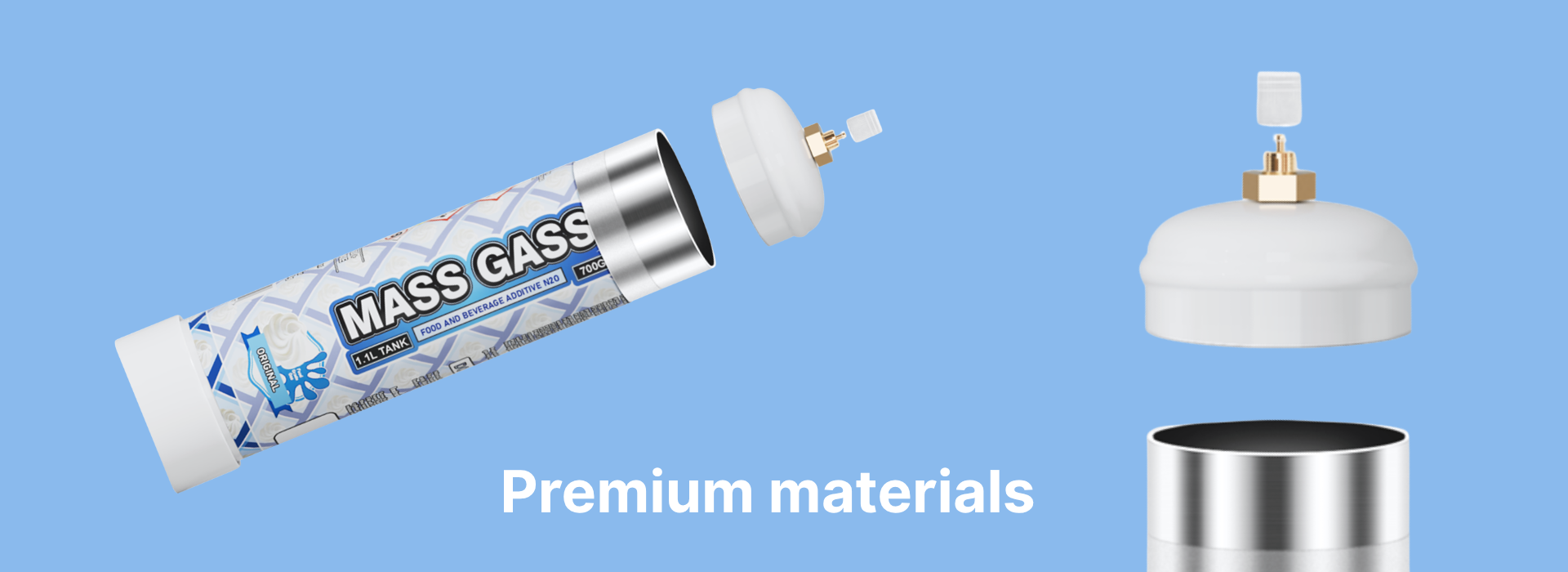
Genuine whipped cream chargers are usually made of thick food-grade steel, high-pressure steel, or aluminum.
The surface should be smooth, rust-free, and evenly welded.
The body or bottom of the canister should feature brand marks, laser-engraved batch numbers, and production dates.
- Check Packaging and Sealing
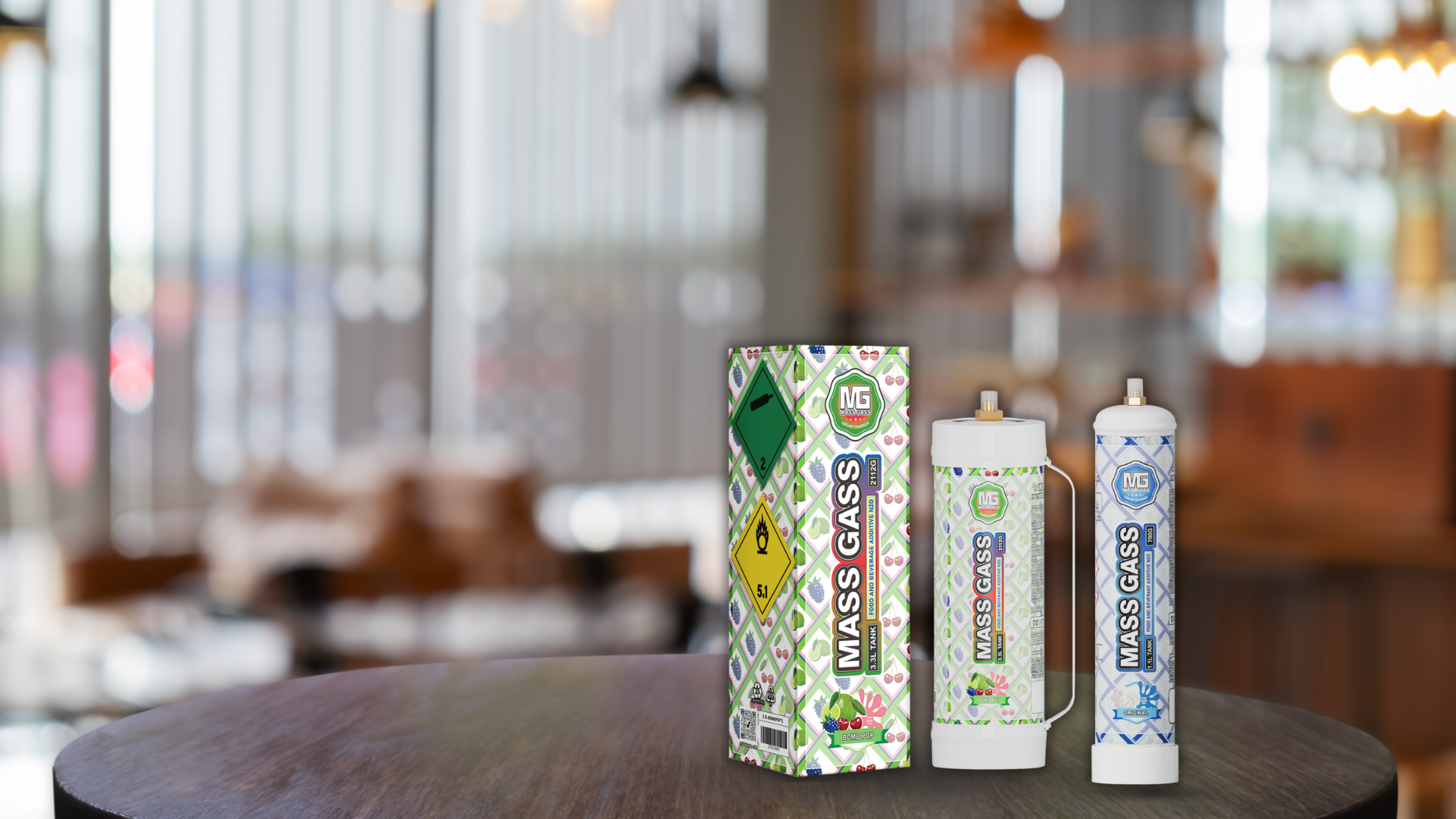
Check whether the packaging uses tamper-evident seals, anti-counterfeit codes, and complete labeling.
Each whipped cream charger should be tightly sealed, with no looseness, scratches, or signs of leakage.
Reputable brands often include multilingual safety instructions and food-grade certifications (e.g., CE, ISO22000).
- Evaluate Performance and Taste
High-purity N2O cream chargers should produce rich, smooth whipped cream without any odor.
Low-quality gas may result in unwhipped cream, watery texture, clogged nozzles, or altered cream flavor.
- Refer to User Feedback and Reputation
User reviews are the most direct reference.
Check the product's comments or discussion section for keywords such as explosions, failed whipping, or unpleasant odor.
How to Use Cream Chargers Safely and Correctly?
When used properly, cream chargers are both safe and efficient. Please remember the following operation tips:
Use only with professional whipped cream dispensers, and avoid using with non-food equipment.
For 8g or 9g canisters, insert vertically during use, and twist tightly before immediate use.
If using large capacity tanks (e.g., 1.1L nitrous oxide tanks), always use a matching pressure regulator.
Do not disassemble or remove a charged cream charger before the gas is fully released, to avoid accidental spray.
Store away from fire, heat, or direct sunlight (recommended: cool, dry, room temperature).
Dispose of used cream chargers properly through recycling, do not incinerate or dismantle.
Recommended Purchase Channels
Recommended Sources:
Official brand websites
Flagship stores on major e-commerce platforms (e.g., Amazon, eBay)
Not Recommended:
Unbranded or white-label products (especially those sold in bulk).
Second-hand markets or personal resales.
Unverified sellers on social media, who may be distributing products from illegal sources or selling refurbished cream chargers.
Choosing a reliable cream charger is more than just a taste preference—it's about health, safety, and performance. Stay informed, choose wisely, and enjoy the confidence that comes with using safe, reliable tools in your kitchen.
FAQS
Why does my whipped cream taste metallic or oily?
This could indicate poor-quality nitrous oxide or contamination inside the charger. Only use chargers from trusted brands that ensure food-grade gas purity.
Do cream chargers expire?
While the gas itself doesn’t expire, the metal casing can degrade over time if not stored properly. Check for rust, corrosion, or unusual smells before use.
Is there a difference in pressure output between high and low-quality chargers?
Absolutely. Premium chargers deliver consistent pressure for optimal whipping. Inconsistent or underfilled chargers may result in poor foam structure or incomplete discharge.




.png?w=800&h=800)