

Yes, nitrous oxide (N2O) is a greenhouse gas. In fact, it is one of the most powerful greenhouse gases in the atmosphere today. However, not all uses of nitrous oxide contribute equally to environmental concerns. Large-scale agricultural and industrial emissions are the main sources of atmospheric N2O, while the everyday use of food-grade nitrous oxide tanks in kitchens and cafes represents only a very small fraction of total emissions.
What Is Nitrous Oxide and What Are Greenhouse Gases?
Nitrous Oxide
Nitrous oxide, commonly known as N2O, is a colorless gas with a slightly sweet smell and taste. It has been used safely for decades in several industries, including food preparation, medicine, manufacturing, and automotive applications.
Greenhouse Gases
A greenhouse gas is any gas that traps heat in the Earth’s atmosphere. The most well-known greenhouse gases include carbon dioxide (CO₂), methane (CH₄), and nitrous oxide (N₂O). These gases absorb heat from sunlight and prevent some of it from escaping back into space, which contributes to global warming.
Although nitrous oxide exists in much smaller quantities than carbon dioxide, it has a much stronger warming effect molecule for molecule. Scientists estimate that N₂O has a global warming potential hundreds of times greater than CO₂ over a 100-year period. It also remains in the atmosphere for a long time once released.
Still, the source of emissions matters. Most atmospheric nitrous oxide does not come from whipped cream chargers or small tanks used by consumers. The majority comes from agriculture and industrial activities.
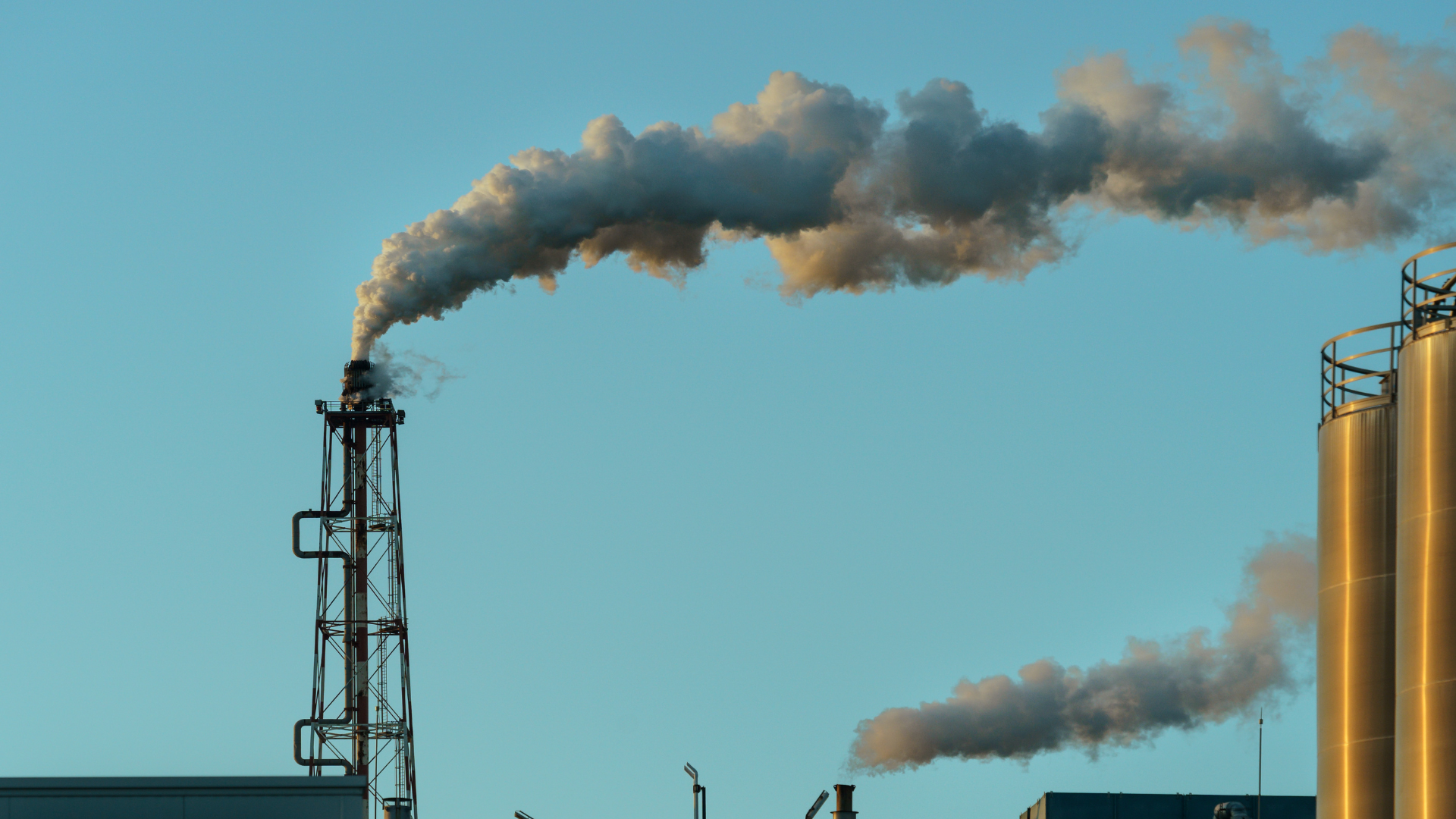
The Impact of Greenhouse Gases
Greenhouse gases play a natural role in keeping Earth warm enough to support life. Without them, the planet would be far too cold. The problem begins when human activities increase greenhouse gas concentrations faster than nature can balance them.
As greenhouse gas levels rise, more heat becomes trapped in the atmosphere. This contributes to climate change, rising global temperatures, melting ice caps, sea level rise, and more extreme weather patterns.
Nitrous oxide is especially concerning because it affects both climate change and the ozone layer. While CO2 receives most public attention due to its large volume, N2O is considered a high-impact greenhouse gas because of its strength and long atmospheric lifetime.
However, it is important to avoid oversimplifying the issue. Environmental impact depends heavily on the scale of emissions. Industrial fertilizer production and intensive farming release vastly more nitrous oxide than household or food-service applications.
Read More:Nitrous Oxide Emissions

What Is Nitrous Oxide Used For?
Food Industry
In the food industry, nitrous oxide is widely used as a whipping agent for cream dispensers. Food-grade N2O helps create smooth, stable whipped cream with a light texture. It is commonly used in cafes, bakeries, restaurants, dessert shops, and home kitchens.
One reason N2O is popular in food preparation is that it dissolves easily into cream while also helping preserve freshness. Unlike some other gases, it does not oxidize fats quickly, which helps maintain flavor and consistency.
Modern whipped cream charger tank and whipped cream dispensers are designed for efficient gas use, meaning only a small amount is needed during food preparation. Compared with large industrial emissions, the environmental footprint of occasional culinary use is relatively small.
Industrial Industry
Industrial activity is actually one of the largest contributors to nitrous oxide emissions worldwide. Chemical manufacturing, fertilizer production, fuel combustion, and certain industrial processes release significant amounts of N₂O into the atmosphere.
Agriculture is especially important in this discussion. Nitrogen-based fertilizers used in farming generate massive N2O emissions through soil processes. These emissions account for a substantial share of global atmospheric nitrous oxide.
Because of this, discussions about N₂O and climate change should focus primarily on large-scale industrial and agricultural sources rather than small consumer applications. A food-grade nitrous oxide tank used occasionally in a kitchen is not comparable to continuous industrial emissions from factories or intensive farming operations.

Medical Industry
Nitrous oxide has also been safely used in medicine and dentistry for many years. Doctors and dentists commonly use it for pain relief and relaxation during procedures. It is valued because it works quickly and leaves the body relatively fast after treatment.
Medical use is tightly regulated, and the gas is administered through professional equipment designed to minimize waste and ensure patient safety.
Read More:Why do hospitals use nitrous oxide for treatment?
Using Nitrous Oxide Tanks Does Not Mean Major Atmospheric Harm
Many people hear the phrase “greenhouse gas” and immediately assume every use is highly damaging to the environment. In reality, environmental impact depends on volume, frequency, and source.
Industrial and agricultural emissions are responsible for the overwhelming majority of atmospheric N2O. Food-service applications, especially when used responsibly and recycled properly, contribute only a very small percentage in comparison.

That does not mean waste should be ignored. Responsible use and proper disposal still matter. But it is important to keep the scale of emissions in perspective.
How Does Nitrous Oxide Enter the Atmosphere?
Nitrous oxide enters the atmosphere through both natural and human-made processes.
Naturally, soil bacteria and ocean activity release small amounts of N₂O as part of the nitrogen cycle. Human activities, however, have dramatically increased emissions over time.
The largest human-related sources include:
Agricultural fertilizers
Livestock farming
Industrial chemical production
Fossil fuel combustion
Wastewater treatment
Biomass burning
In the food industry, nitrous oxide can enter the atmosphere when tanks are intentionally vented, improperly stored, or discarded without recycling. However, compared with agricultural and industrial sectors, these emissions remain relatively minor.

Everyday Use of Nitrous Oxide Tanks Is Tiny Compared With Industrial Emissions
When discussing environmental impact, scale matters.
A single factory or agricultural operation may release more nitrous oxide in a short period than thousands of individual cream chargers used by consumers. This is why climate researchers and environmental policies focus primarily on farming efficiency, industrial controls, and emissions management systems.
Using a cream chargers occasionally at home or in a café is not considered a major driver of climate change. The much larger environmental challenge comes from industrial-scale nitrogen use and manufacturing emissions.
Responsible consumers can still reduce unnecessary waste by using tanks efficiently, avoiding intentional gas release, and recycling empty containers whenever possible.
How to Use Nitrous Oxide Tanks Properly?
Using nitrous oxide tanks correctly improves safety, reduces waste, and minimizes environmental impact.
Always use food-grade nitrous oxide products from reliable suppliers. Tanks should be stored in a cool, dry place away from direct heat or flames. Users should also follow the manufacturer’s instructions carefully when connecting tanks to whipped cream dispensers or pressure systems.
Overfilling dispensers or releasing excess gas unnecessarily should be avoided. Proper maintenance of dispensers and valves also helps prevent leaks.
For businesses such as cafés and bakeries, staff training is important. Teaching employees how to handle tanks responsibly can improve efficiency while reducing accidental gas loss.
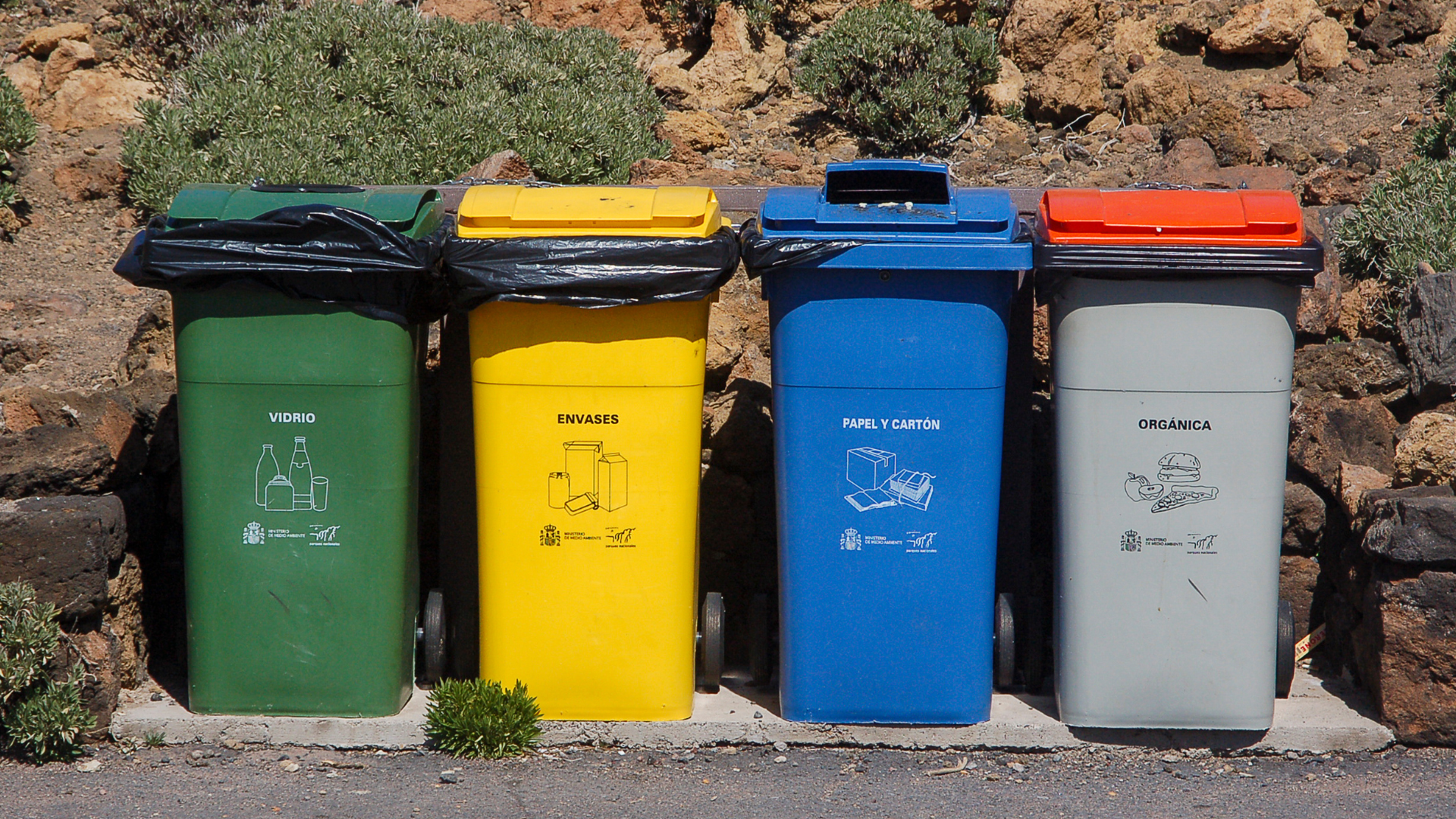
How to Recycle Empty Nitrous Oxide Tanks Properly?
Recycling empty nitrous oxide tanks is one of the simplest ways to reduce waste and support more sustainable use.
Most cream charger tanks are made from recyclable steel or aluminum. Before recycling, users should ensure the tank is completely empty according to local safety guidelines. Some recycling centers require tanks to be punctured or depressurized before acceptance.
Local recycling regulations vary by region, so it is always best to check with municipal recycling facilities or scrap metal centers for proper instructions.
Many suppliers and distributors are also beginning to support refillable systems and larger reusable tanks, which can significantly reduce packaging waste compared with disposable chargers.
As sustainability becomes more important in the food industry, proper recycling and responsible use will continue to play a bigger role in reducing the overall environmental footprint of nitrous oxide products.
Read More:How to Safely Recycle Empty Nitrous Oxide Tanks?
For consumers and businesses in the food industry, the best approach is responsible use: avoid unnecessary waste, use high-quality equipment, and recycle empty tanks properly. Small actions may not solve global emissions challenges alone, but they are still part of building a more sustainable industry.




.png?w=800&h=800)