
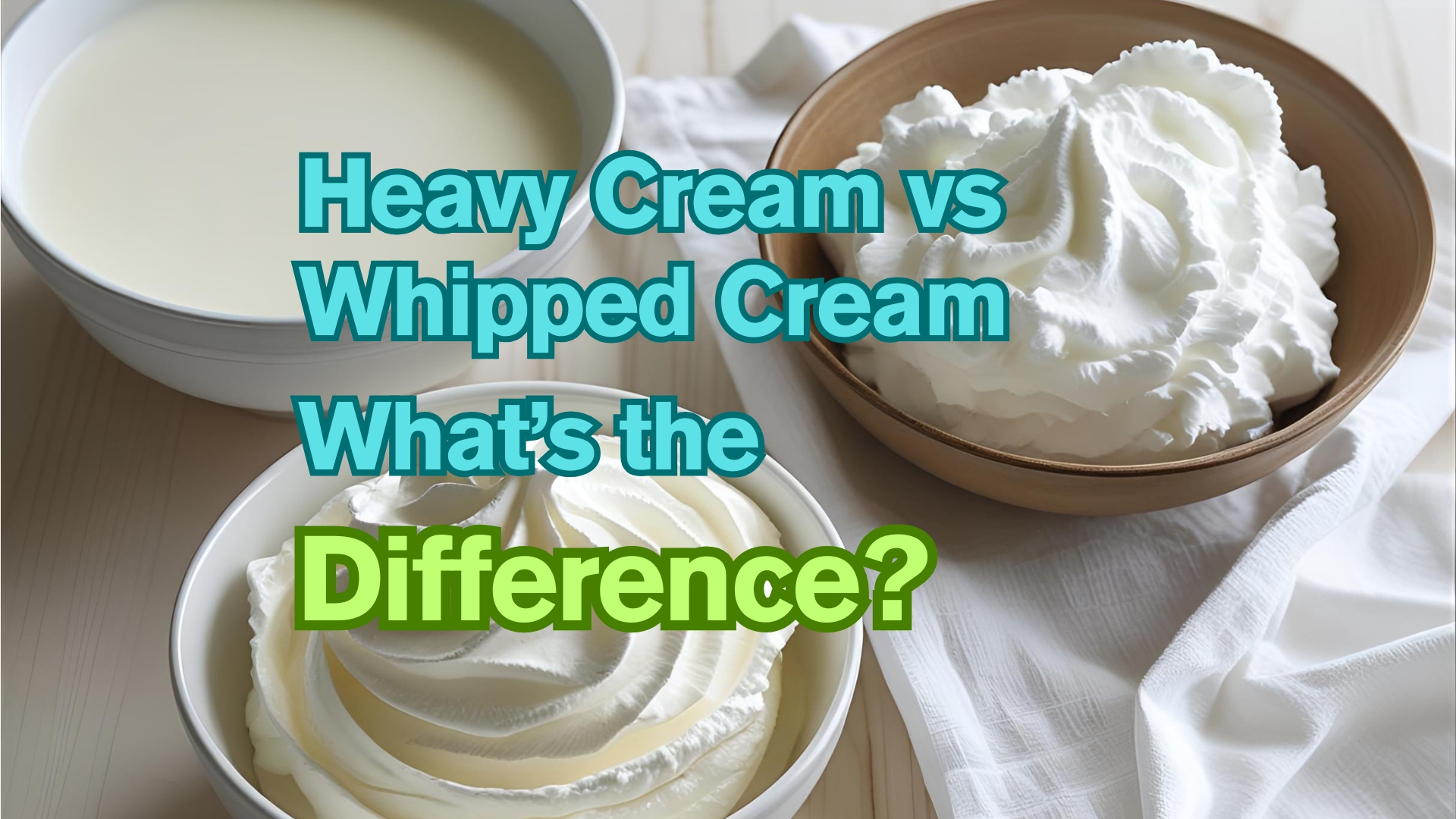
Cream is one of the most essential ingredients in baking and dessert making. If you’ve ever followed a recipe for whipped cream, you’ve likely seen it call for “heavy cream.” But why heavy cream, and not just any cream? What exactly is the difference between heavy cream and whipped cream?
Let’s break it down in simple terms.
What Is Heavy Cream?
Heavy cream is a rich, high-fat cream that’s separated from whole milk. It typically contains 36% to 40% milk fat, making it one of the thickest and richest types of cream available.
It has a smooth, silky texture and comes in liquid form.
Because of its high fat content, it's ideal for whipping, cooking, and baking.
It’s the base for whipped cream but can also be used directly in sauces, soups, and desserts.
What Is Whipped Cream?
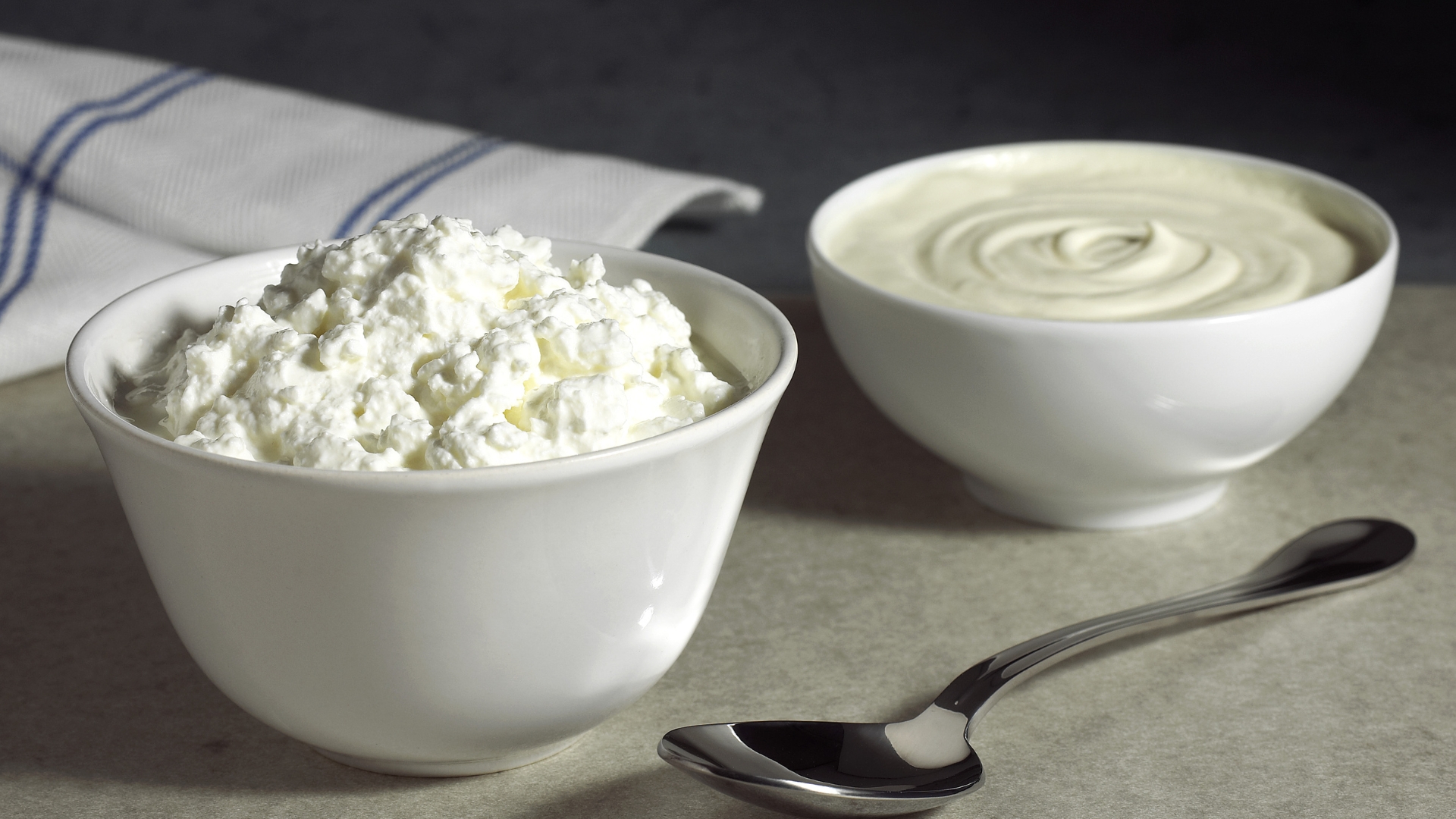
Whipped cream is simply heavy cream that’s been beaten until it turns light and fluffy. As you whip it, air gets mixed in, which makes the cream expand and hold soft peaks. It’s usually lightly sweetened and finished with a touch of vanilla, giving it that classic dessert-friendly flavor. Compared to frosting, whipped cream is much softer and more delicate, which is why it’s perfect for topping cakes, pies, and all kinds of desserts.
What are they used for?
Heavy Cream Uses:
Heavy cream’s rich texture and high fat content make it versatile in both sweet and savory dishes:
Making buttercream or pastry cream
As a base for homemade ice cream
Adding richness to coffee, hot chocolate, or soups
Can be whipped and used as a dessert topping
Whipped Cream Uses:
Whipped cream is mostly used as a decorative and flavorful topping:
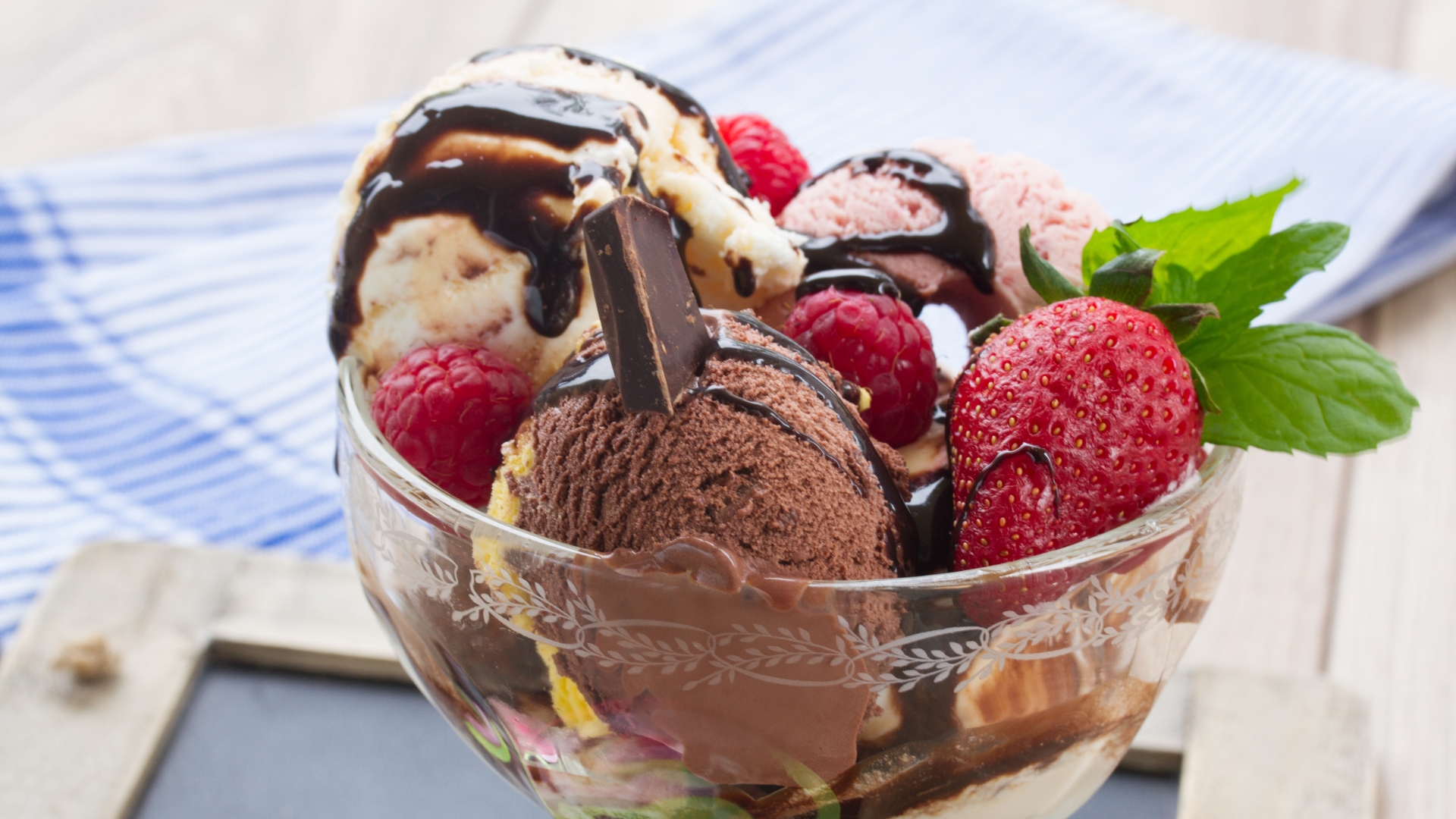
Topping for cakes, pies, puddings, and ice cream
Added to coffee drinks, like lattes or mochas
Used in fruit salads or cake fillings
How Are Cream Used?
Heavy cream is used in both sweet and savory dishes. You’ll find it in recipes for creamy sauces, ganache, custards, soups, and ice cream. It can be poured straight into coffee for a luxurious twist or used as a base for making whipped cream or frosting.
Whipped cream, on the other hand, is almost always used as a topping. It’s commonly added to cakes, pies, hot chocolate, lattes, fruit salads, or served alongside berries. It’s not typically used in cooking because it breaks down when heated.

Different between Heavy Cream and Whipped Cream
Heavy cream has a thick, pourable texture and is the base ingredient used to make whipped cream. When heavy cream is aerated with a cream charger, it turns into a light, fluffy foam with plenty of volume. In terms of stability, heavy cream is quite reliable. Unopened, it can stay fresh in the refrigerator for up to two weeks. Once opened, it usually lasts several days to about a week, depending on the brand and its initial freshness.
Whipped cream, on the other hand, is far less stable. It tends to collapse or melt within a few hours, especially at room temperature. To help it hold its shape longer, you can add gelatin or a whipped cream stabilizer during preparation. Heavy cream is also versatile in cooking and can be used to make creamy soups, sauces, and more.
How to Make Whipped Cream from Heavy Cream
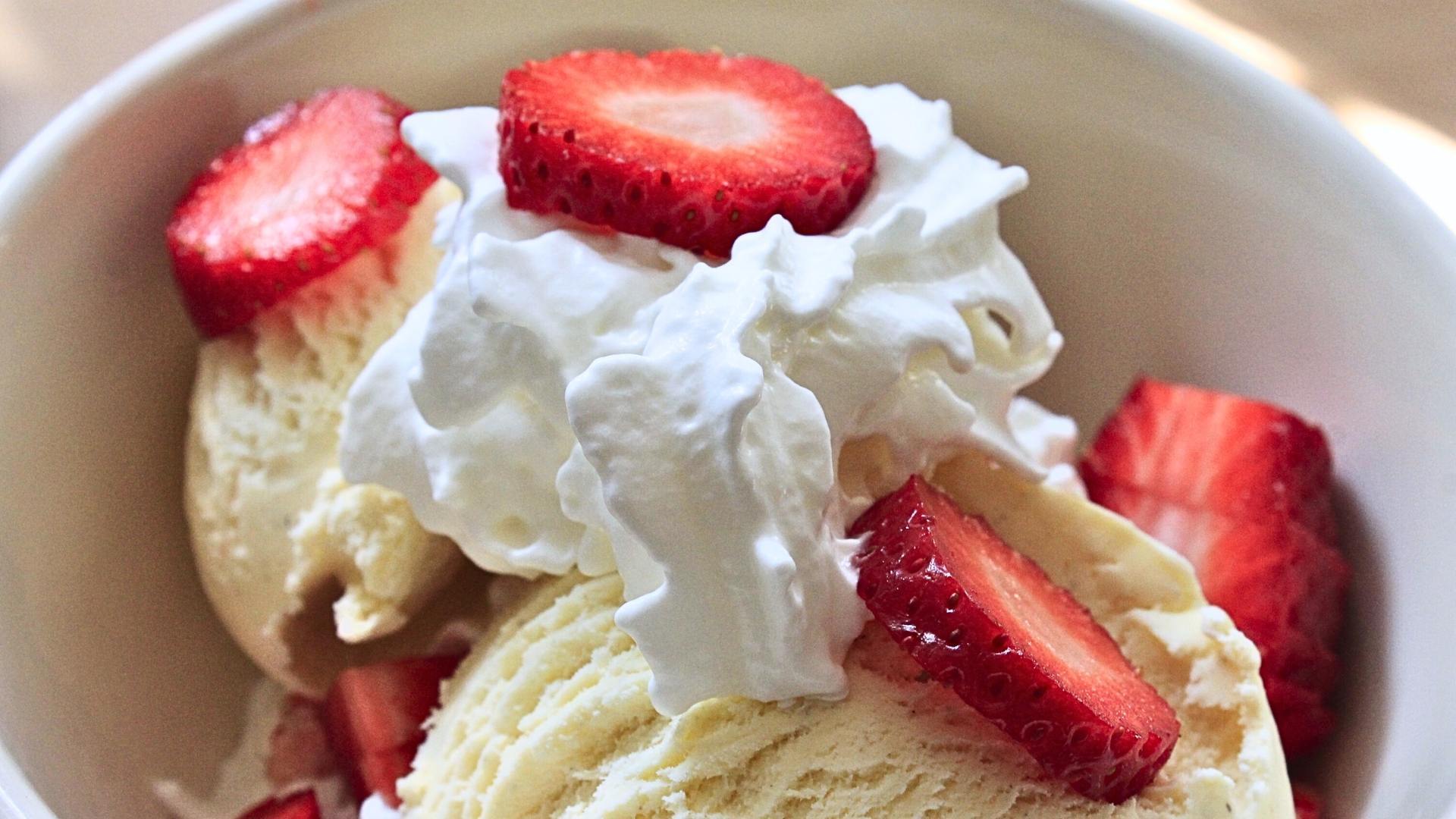
To make whipped cream, start with cold heavy cream. Pour it into a chilled cream dispenser, use a gas cylinder pressure to pressurize the gas in the cream charger tank into the dispenser, and then shake the dispenser 20-30 times. Cream charger is a very convenient tool for making cream.You can add powdered sugar and vanilla extract to sweeten and flavor it. Be careful not to overwhip—otherwise, it will turn into butter.
Tips to Remember
Use heavy cream when you need structure, fat, or richness in a dish.
Use whipped cream as a light, sweet topping—preferably soon after making it.
Always chill your cream and mixing tools before whipping for best results.
Don't confuse whipped cream with frosting—they’re different in texture, sweetness, and stability.
Final Thoughts
Heavy cream and whipped cream are closely related, but they play very different roles in the kitchen. Heavy cream is the raw ingredient—rich and versatile, perfect for both sweet and savory dishes. Whipped cream is what happens when you transform that ingredient into a light, airy topping.
Understanding the difference helps you get better results in your cooking and baking, whether you're making a silky chocolate ganache or a beautiful whipped topping for your pie.
FAQS
Which type of cream is best for whipping?
Choose heavy cream with 35–40% fat, as this range whips easily and provides a stable structure.
Can I add flavors to the cream?
You can add extracts, syrups, strained fruit purées, or a small amount of alcohol.
Avoid adding large fruit pieces, high-fiber ingredients, or anything that may clog the nozzle.
Why is my whipped cream too runny?
Possible reasons include:
The cream doesn’t have enough fat
Too much liquid was added
The dispenser wasn’t shaken well
The cream or the dispenser wasn’t cold enough
How long can whipped cream last in the dispenser?
Usually, it can be kept in the refrigerator for several days, but the flavor and stability will gradually decline over time.




.png?w=800&h=800)