If a whipped cream canister or a larger N2O tank valve seems unable to close completely, the problem is usually not that the tank itself is defective. In many cases, the cause is a worn valve, damaged or displaced sealing component, contamination around the sealing surface, or a connection that is not compatible with the valve. With pressurized gas, however, “almost closed” should never be treated as good enough. If the valve is leaking or cannot be shut off normally, stop using the equipment and have it inspected or serviced according to the manufacturer’s instructions.
1. What Does the Canister Valve Do?
The valve is one of the most important parts of a pressurized whipped cream system. Its basic job is to control the flow of gas between the gas container and the connected equipment. When the system is in use, the valve allows gas to pass through the appropriate regulator or connection. When the supply is no longer needed, the valve should shut off the gas flow and maintain the seal.
For a small whipped cream dispenser, the valve assembly is integrated into the dispenser head and works together with the internal sealing components. With a whipped cream canister, the setup is different: the tank valve, regulator, hose, and fittings form a complete pressure-control system. That distinction matters because a problem that looks like a “valve problem” may actually be caused by the regulator, fitting, gasket, or connection between components.
This is also why forcing a connection is a bad idea. Gas-cylinder connections are designed around specific outlet standards and compatible components. OSHA's general compressed-gas requirements point users toward Compressed Gas Association guidance for the handling, storage, and use of compressed gases.
2. What Happens If the Valve Does Not Close Properly?
Gas Can Continue Escaping and the Valve May Frost
The most obvious problem is continued gas leakage. Even a small leak can become noticeable when the system is under pressure.
If gas is escaping rapidly, the area around the valve, regulator, or fitting can become extremely cold. Frost or ice around a connection is therefore an important warning sign, not something to ignore. It can indicate that gas is escaping and expanding rapidly.
A common mistake is to think that tightening the connection harder will automatically solve the problem. It may actually make things worse if the underlying issue is a damaged seal or incompatible fitting.
Cold Gas Can Cause a Freeze Injury
Rapidly escaping compressed or liquefied gas can cool metal components dramatically. Touching a heavily frosted valve or fitting with bare skin can result in a cold-contact injury.
For that reason, I would not recommend touching, disassembling, or attempting to repair a leaking pressurized connection while gas is escaping. If a component is frosting heavily or the leak cannot be stopped using the normal shutoff mechanism, move away from the equipment and follow the supplier's emergency or service instructions.
OSHA also emphasizes that damaged or defective compressed-gas cylinders should not be used.
3. Why Won’t a Whipped Cream Canister Valve Close Properly?
-
The Valve Has Become Worn or Damaged
Valves are mechanical components, so they can wear over time. Repeated opening and closing, rough handling, impact, or excessive force can eventually affect the valve seat or other internal components.
A valve can also become mechanically damaged if the tank is dropped or knocked over. OSHA notes that rough handling, knocks, and falls can damage a cylinder, valve, or safety device and potentially cause leakage.
If the valve feels noticeably different from normal—for example, unusually loose, unusually stiff, or unable to reach its normal closed position—that is a good reason to stop treating it as a simple tightening problem.
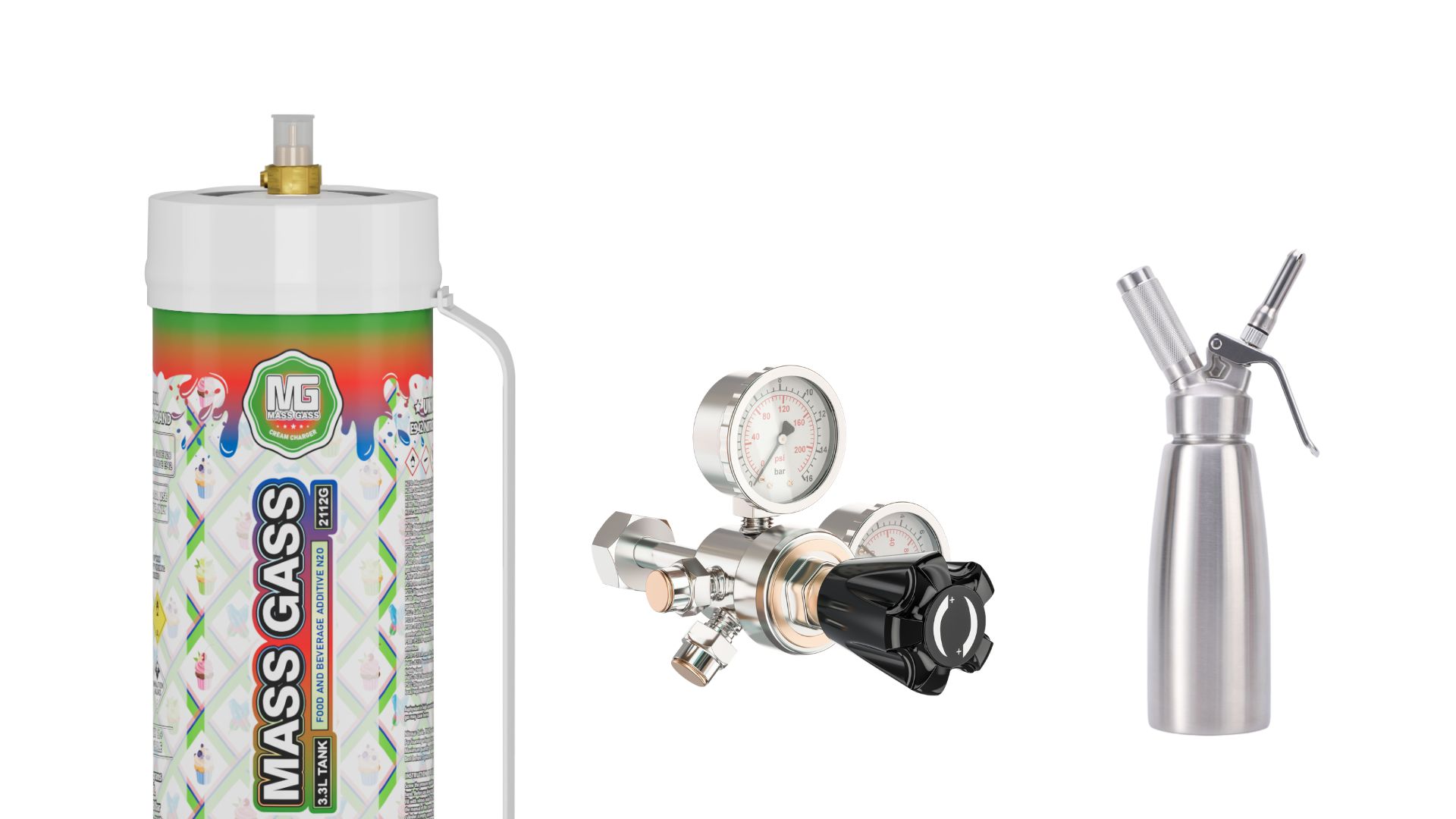
-
A Seal May Be Displaced, Compressed, or Contaminated
The sealing system is just as important as the metal valve itself. Gaskets, O-rings, valve seats, and other sealing surfaces have to remain correctly positioned and in suitable condition.
Food residue, grease, dust, or other debris can interfere with the sealing surface. Over time, a gasket can also become compressed, worn, or displaced.
This is not just theoretical. In online discussions about whipped cream dispensers, users frequently describe leaks that appear to come from small gasket or sealing components rather than from the main body of the dispenser.
In one Reddit discussion, an iSi dispenser owner reported that N₂O was escaping around the charger-holder area and suspected that a small gasket inside the threaded charger connection might be responsible.
This is a good example of why it is worth identifying the actual source of a leak before replacing the entire dispenser or simply trying to tighten everything further.
-
The Valve May Not Be Returning to Its Normal Position
Sometimes the issue is surprisingly simple: the valve or operating mechanism has not returned to its intended closed position.
This can happen when a component has been assembled incorrectly, when residue interferes with movement, or when an internal mechanism has become worn. With a whipped cream dispenser, the head, valve, nozzle, and sealing components all need to work together. If one part is incorrectly positioned, the valve may not behave as it normally does.
I've also seen people describe a dispenser as “leaking from the valve” when the actual problem was somewhere else in the assembly. In an online cooking discussion, users reported leaks around the charger-holder gasket and nozzle area, illustrating how difficult it can be to identify the exact leak point simply by looking at the outside of the dispenser.
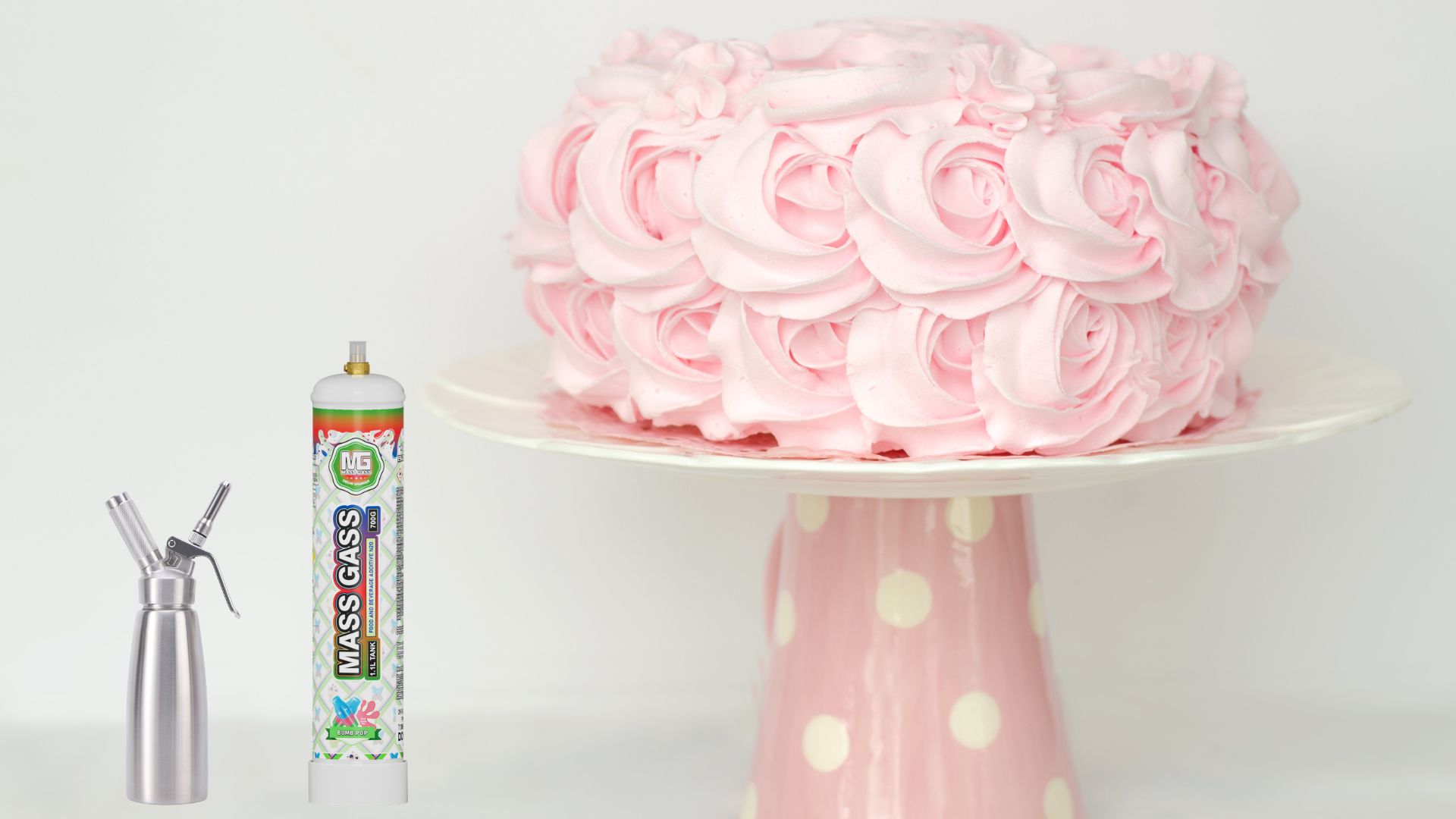
-
The Regulator or Fitting May Be the Real Problem
This is especially important with larger N₂O tanks.
If a regulator will not screw onto the tank properly, do not assume that you simply need to tighten it harder. The connection may involve the wrong outlet standard, incompatible threads, an unsuitable gasket, or a fitting designed for a different gas service.
A proper gas connection should fit correctly without excessive force. If the threads feel wrong, stop rather than trying to “make” the parts fit.
The same principle applies when a regulator appears to be leaking. The valve itself may be fine while the leak originates at the regulator connection, hose connection, or sealing surface.
4. What Should You Do If the Valve Has a Problem?
The safest approach is to treat an abnormal valve as a pressure-equipment problem rather than a normal kitchen-equipment adjustment.
First, stop using the equipment if the valve cannot close normally, if you hear continuous gas escaping, or if you see significant frosting around the valve or connection. Do not keep tightening, hammering, bending, or modifying the valve.
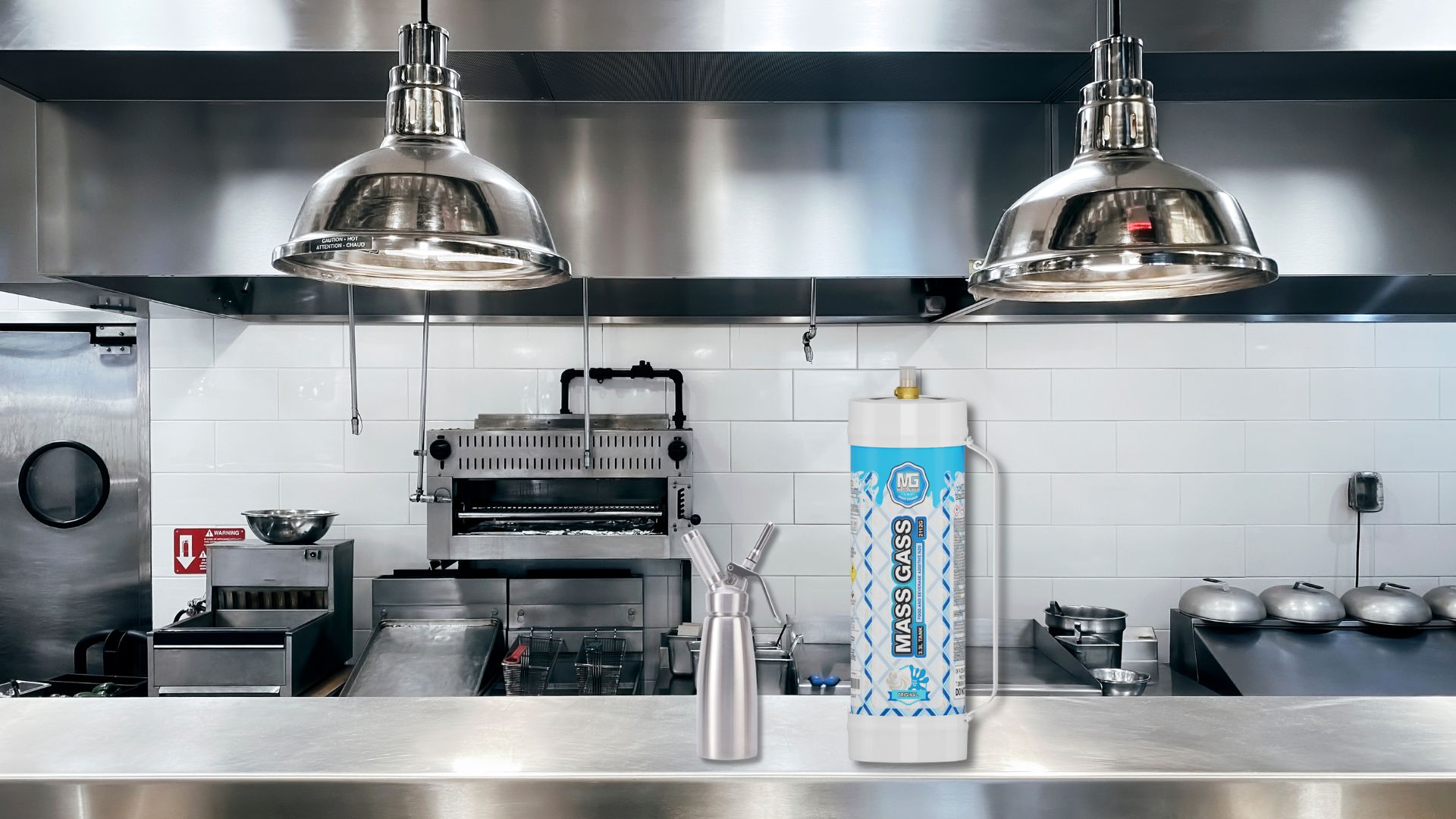
Next, keep people away from the immediate area and follow the manufacturer's instructions for shutting down the system. If the valve cannot be safely closed, contact the gas supplier or a qualified technician rather than attempting to disassemble a pressurized valve yourself.
Do not improvise a temporary seal with tape, rubber bands, clamps, or other materials. One Reddit discussion about a leaking whipped cream dispenser included suggestions for improvised leak-stopping, but another commenter correctly pointed out that improvised fixes are inappropriate for pressurized gas.
That is one piece of internet advice I would strongly agree with: a pressurized gas leak is not the place for a DIY workaround.
If the cylinder or valve appears damaged, it should be taken out of service and handled according to the supplier's procedures. OSHA's compressed-gas rules specifically state that damaged or defective cylinders should not be used.
5. How Should You Properly Store a Large N2O Tank?
Keep the Tank Upright and Secure
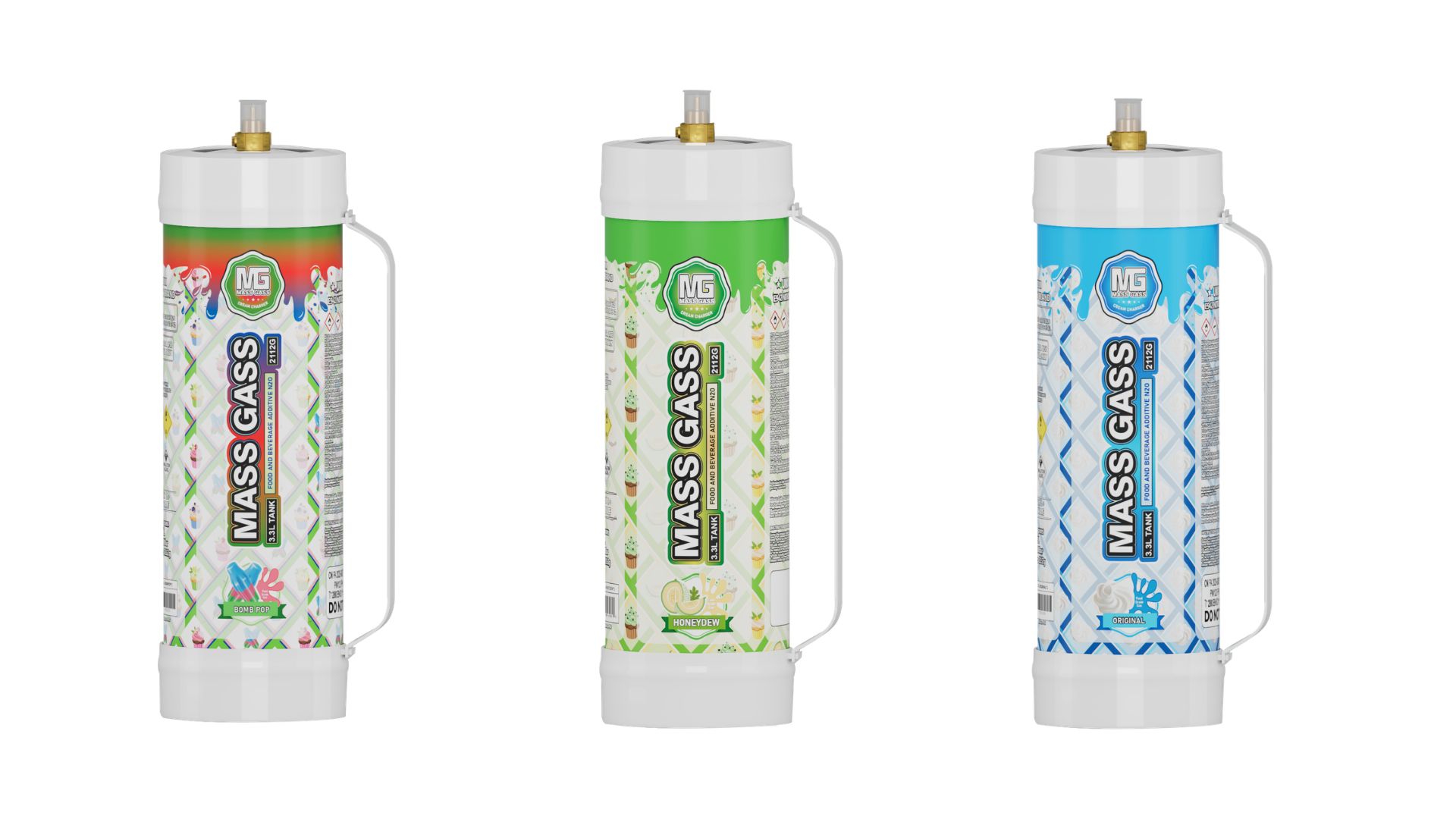
Large nitrous oxide cream chargers should be stored in a stable position where they cannot easily tip over. OSHA guidance for compressed-gas cylinders emphasizes securing cylinders in an upright position and protecting them from being knocked over.
This is particularly important because the valve is one of the most vulnerable and important parts of the cylinder. A falling tank can damage the valve or regulator even if the cylinder body itself appears fine.

Keep the Valve Protected
When a cylinder is being stored or moved, valve protection should be used as required by the cylinder design and applicable rules. OSHA's requirements include protecting valves from physical damage and using valve protection caps where applicable.
If a regulator is not installed as part of an approved setup, it should not simply be left exposed while the cylinder is being moved. OSHA specifically addresses regulator removal and valve protection during cylinder movement.
Choose a Dry, Well-Ventilated Storage Area
A large N₂O tank should be kept in a dry, well-protected, adequately ventilated location and away from unnecessary sources of heat or physical damage.
OSHA's compressed-gas storage guidance calls for storage areas to be well protected, ventilated, and dry, and warns against storing cylinders in unventilated enclosures such as lockers or cupboards.
For a restaurant or commercial kitchen, this means avoiding random storage behind equipment, underneath counters where the cylinder can be struck, or in a cramped enclosed cabinet.
Keep the Tank Away From Heat and Heavy Traffic
A cylinder should not be placed next to a stove, oven, radiator, or other significant heat source. It should also be positioned where employees, carts, boxes, and cleaning equipment will not constantly bump into it.
This sounds basic, but in a busy commercial kitchen, accidental impacts are more common than people think. OSHA specifically requires compressed-gas cylinders to be protected from physical damage and located where they will not be knocked over or damaged by passing or falling objects.

A Practical Rule I Always Follow
When a whipped cream dispenser or large N₂O system does not behave normally, I don't start by asking, “How can I tighten it more?”
I start by asking, “Where is the gas actually escaping, and is every component compatible with the system?”
That small change in thinking prevents a lot of unnecessary troubleshooting. A valve that won't close properly can be caused by wear, contamination, a damaged seal, incorrect assembly, or a mismatched connection. And when pressurized gas is involved, forcing the parts together is rarely the right answer.
The official OSHA guidance is also consistent on the bigger principle: compressed-gas cylinders need to be inspected, properly handled, secured, and protected from damage, while defective equipment should be removed from service rather than improvised around.
For anyone using a large N2O tank in a restaurant, café, or commercial kitchen, the safest habit is simple: if the valve doesn't close normally, stop and investigate before continuing to use the system. A few extra minutes spent checking compatibility and getting professional service is much better than turning a small valve problem into a serious gas leak.




.png?w=800&h=800)