

If you love whipped cream but want something lighter, you don't necessarily have to give it up. By replacing part of the heavy cream with Greek yogurt, blending silken tofu with soy milk, or combining plant-based cream with soy milk, you can make a lighter whipped topping that still works beautifully on fruit, coffee, pancakes, and desserts.
The idea also fits into a broader change in the way Americans are thinking about food. At McDonald's 2026 Investor Day, Skye Anderson, President of McDonald's USA, said there are roughly 30 million GLP-1 users in the U.S. and nearly 60 million Americans actively seeking more protein in their diets. She said these customers are looking for more protein and greater portion flexibility.
That doesn't mean everyone needs to follow the same diet. But as a home cook, I think it is an interesting reason to rethink some familiar ingredients. Whipped cream is a good example. You can keep the creamy texture and airy finish while changing the recipe to use less heavy cream or more protein-rich ingredients.
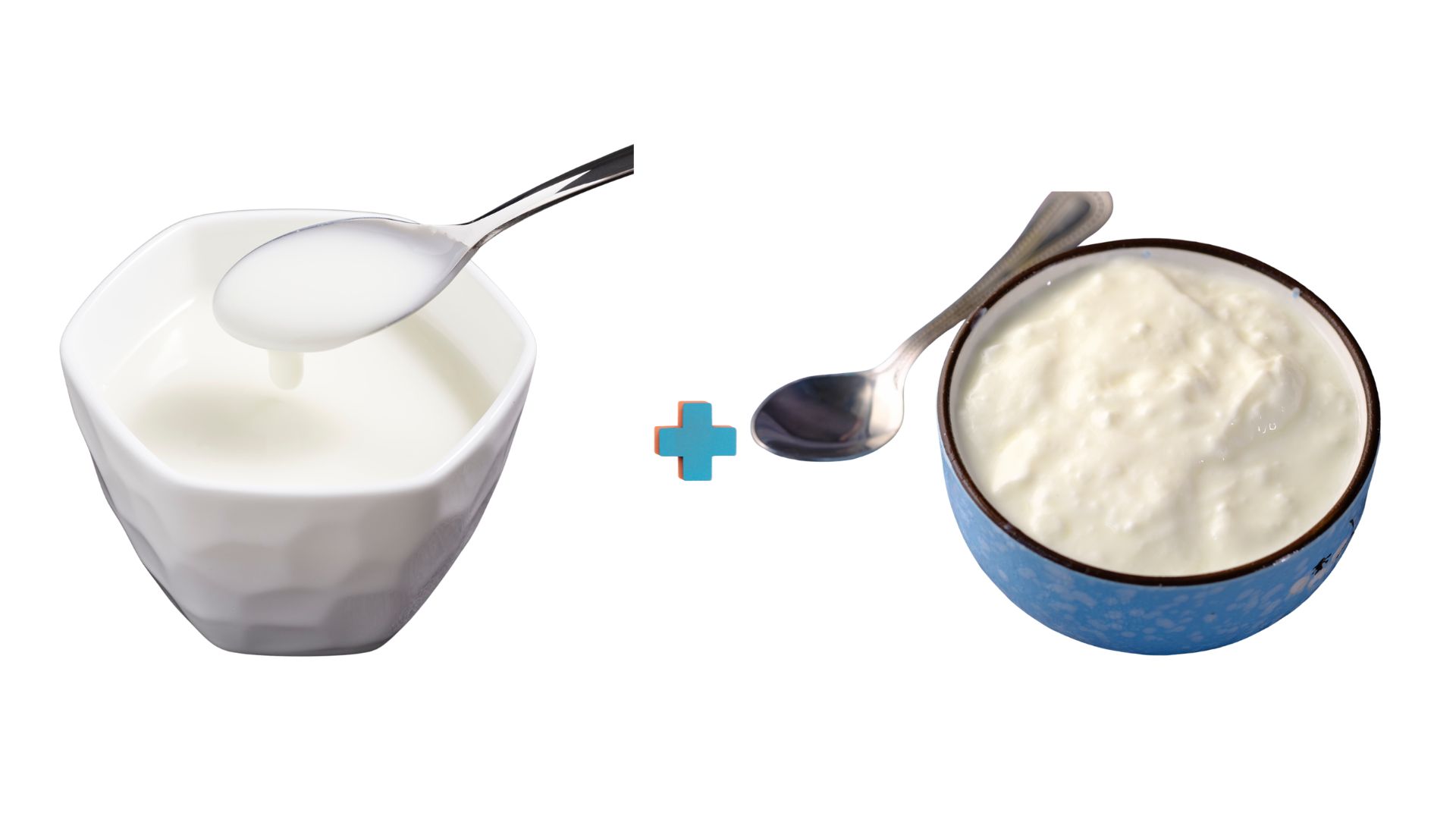
Method 1: Heavy Cream + Greek Yogurt
This is probably the easiest place to start if you're used to traditional whipped cream. You still have enough heavy cream to create the structure needed for whipping, while Greek yogurt replaces part of it and adds protein and a pleasant tang.
This isn't just a theory. UT Southwestern Medical Center's Culinary Medicine program has a yogurt whipped cream recipe that combines chilled heavy cream with plain Greek yogurt. The program specifically notes that yogurt adds protein and probiotics while reducing saturated fat compared with traditional whipped cream.
Ingredients
- 1 cup cold heavy cream
- ½ cup plain Greek yogurt
- 1 tablespoon powdered sugar, optional
- ½ teaspoon vanilla extract
How to Make It
Add the cold heavy cream, Greek yogurt, powdered sugar, and vanilla extract to a blender. Blend briefly until completely smooth. The mixture should be thick but still pourable.
Pour it through a fine-mesh strainer to remove any lumps, then transfer it to a compatible whipped cream dispenser. connect with one whip cream charger according to the manufacturer's instructions. Shake the dispenser several times and refrigerate before serving.
This version uses considerably less heavy cream than traditional whipped cream while Greek yogurt adds protein and body. UT Southwestern's Culinary Medicine program also uses a combination of Greek yogurt and heavy cream in its yogurt whipped cream recipe.
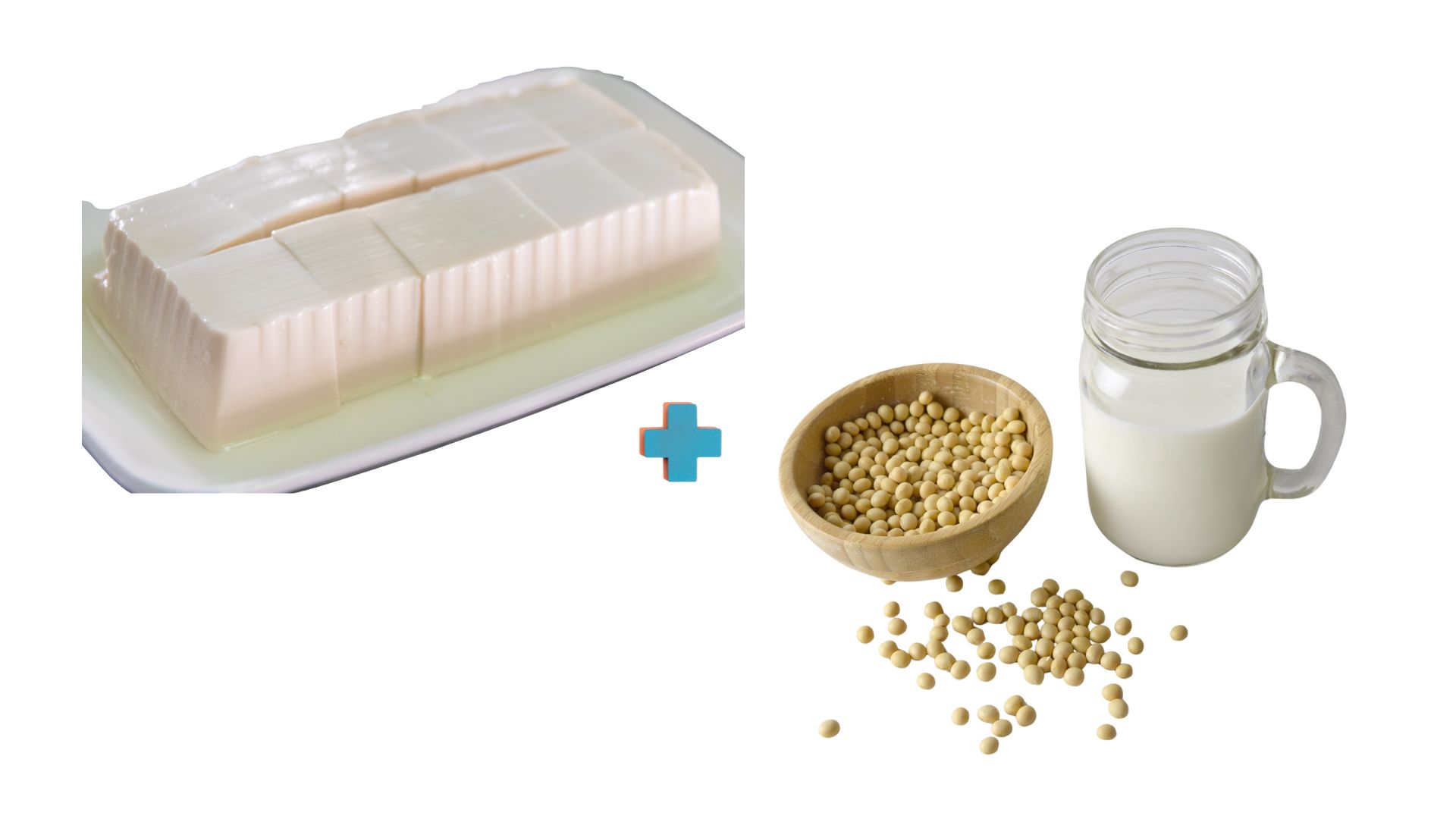
Method 2: Soy Milk + Silken Tofu
A Dairy-Free, Protein-Focused Option
If you want to move away from dairy completely, soy milk and silken tofu are worth trying.
This combination doesn't behave exactly like heavy cream because it doesn't have the same fat structure. Instead, the tofu provides body and creaminess while soy milk helps create a smoother, lighter mixture. The result is closer to a whipped topping or mousse-like cream than classic bakery-style whipped cream.
For this method, use silken tofu, not firm or extra-firm tofu. Silken tofu blends much more smoothly and doesn't leave the grainy texture that can ruin a dessert topping.
Ingredients
- ½ cup unsweetened soy milk
- 1 cup silken tofu
- 1–2 tablespoons powdered sugar or maple syrup
- 1 teaspoon vanilla extract
- A small pinch of salt
- A small amount of food-grade xanthan gum, optional
How to Make It
Drain the silken tofu well and add it to a blender with the soy milk, sweetener, vanilla, and salt. Blend until completely smooth.
If you want a thicker and more stable topping, you can add a very small amount of xanthan gum. Start with only a pinch; too much can make the mixture gummy.
Chill the mixture thoroughly before serving. If you're using a cream charger, pour the completely smooth, well-chilled mixture into a compatible dispenser, charge it according to the manufacturer's instructions, and shake gently.
The important trick here is not to make the mixture too thin. A cream charger adds gas, but it can't magically turn a watery liquid into traditional whipped cream. The base needs enough body to hold the bubbles.
What It Tastes Like
This version is lighter and less rich than traditional whipped cream. It works particularly well with berries, chocolate desserts, overnight oats, or coffee drinks where you don't need a thick layer of frosting-like cream.
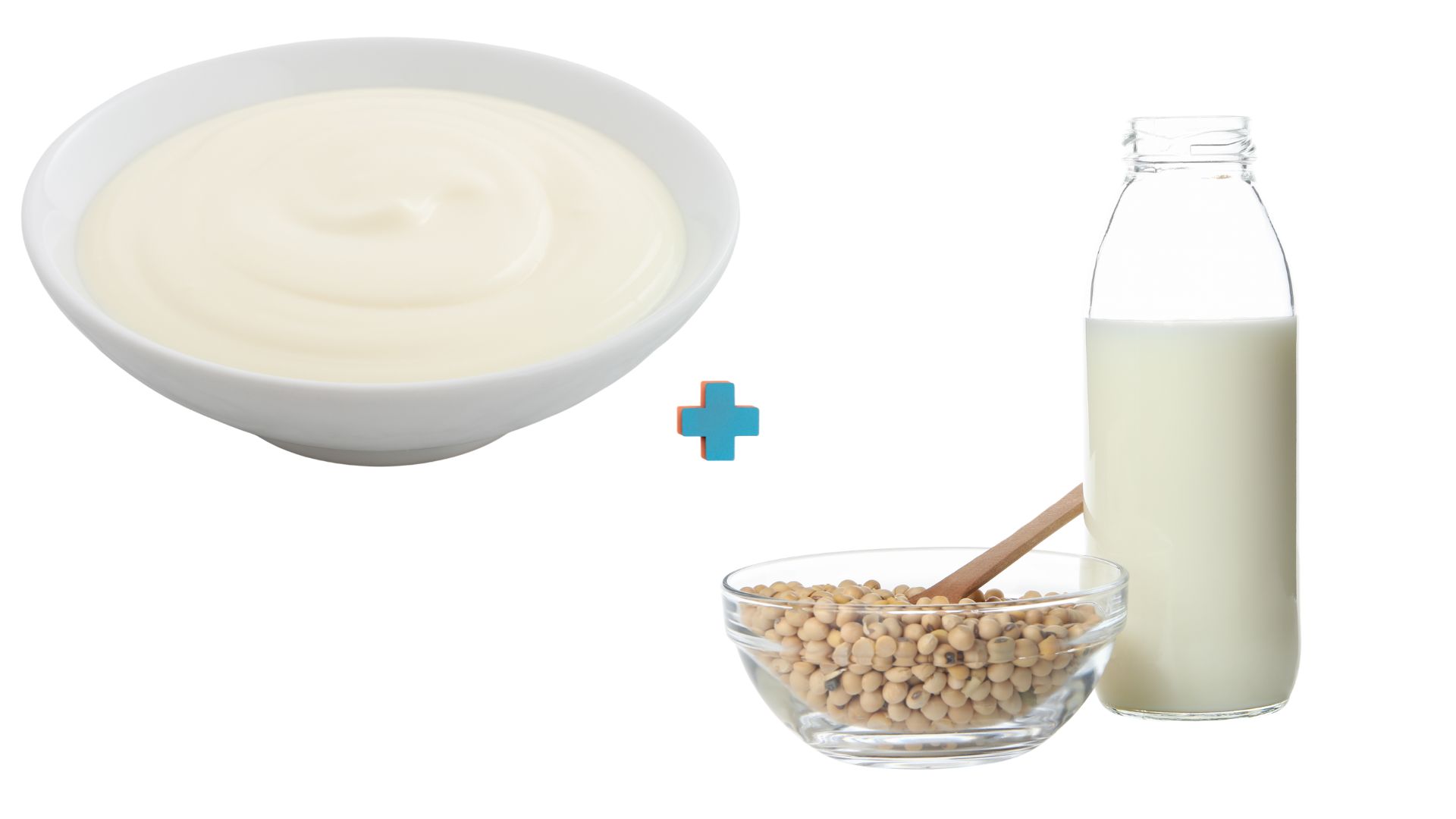
Method 3: Plant-Based Cream + Soy Milk
The Closest Plant-Based Alternative to Traditional Whipped Cream
If texture is your biggest concern, this is the method I'd try first.
Plant-based whipping cream is designed to create a stable whipped structure, while soy milk makes the mixture lighter and brings some plant-based protein into the recipe. Compared with using soy milk alone, the combination has a much better chance of producing a fluffy topping.
Just keep in mind that plant-based whipping creams vary considerably in fat content and formulation. Check the package directions before adjusting the ratio.
Ingredients
- 1 cup chilled plant-based whipping cream
- ½ cup cold unsweetened soy milk
- 1 tablespoon powdered sugar, optional
- ½ teaspoon vanilla extract
How to Make It
Add the chilled plant-based cream and soy milk to a cold mixing bowl. Add vanilla and powdered sugar if you're using them.
Whip until the mixture becomes visibly thicker and starts holding soft peaks. Don't chase extremely stiff peaks; a soft, airy texture is usually nicer for spooning over desserts.
For a cream charger tank version, make sure the mixture is completely smooth before transferring it to a compatible dispenser. Charge according to the dispenser manufacturer's instructions, shake gently, and refrigerate until you're ready to use it.
If the finished foam seems too loose, the first thing I'd change is the ratio rather than simply adding more gas. A little more plant-based cream and a little less soy milk can make a noticeable difference.
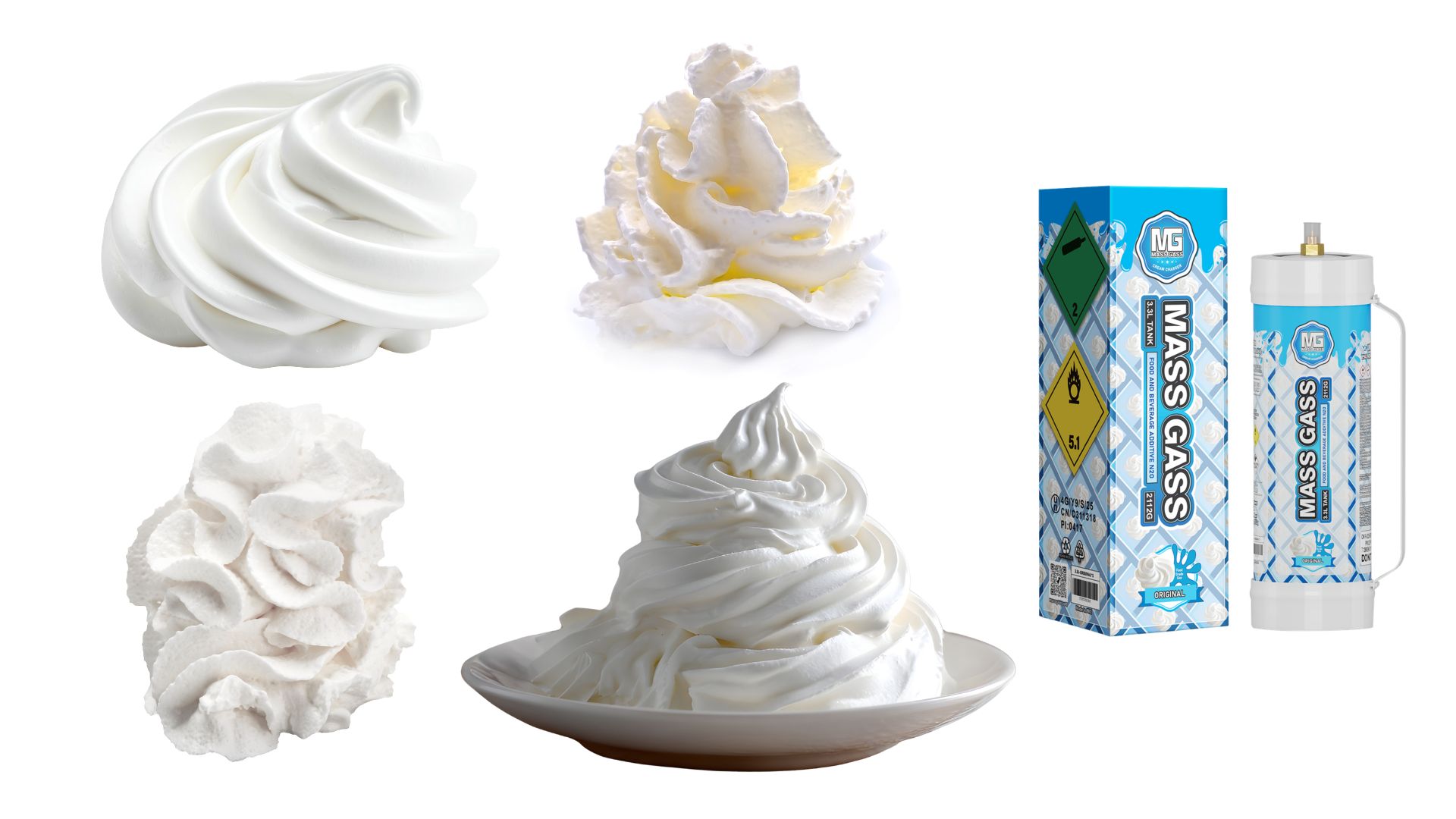
Which Low-Fat Whipped Cream Should You Try?
For the Easiest Homemade Version
Go with heavy cream and Greek yogurt. It requires the fewest changes from traditional whipped cream, and the result still tastes rich and familiar. This is the one I'd make when serving guests who aren't specifically looking for a dairy-free dessert.
For a Dairy-Free, Protein-Focused Option
Try soy milk and silken tofu. It is a very different style of topping, but it makes sense when you're trying to reduce reliance on dairy and add a plant-based protein source.
For the Fluffiest Plant-Based Option
Choose plant-based whipping cream with soy milk. It is the most practical option when you still want that familiar whipped-cream texture while making the recipe dairy-free and somewhat lighter.
A Few Tricks That Make a Big Difference
Whatever recipe you choose, keep the ingredients cold. This is probably the simplest trick and one of the easiest to overlook.
Also, don't add too much liquid just because you're trying to make the recipe lower in fat. Whipped toppings need some structure to hold air. If you dilute the base too much, you may end up with foam that disappears quickly.
And finally, think about what you're putting the cream on. A small spoonful of lightly sweetened whipped topping over fresh berries can feel completely different from using a large amount as cake frosting. For me, that is where a lighter whipped cream makes the most sense: you still get the creamy, airy finish, but the dessert doesn't have to be built around a huge amount of cream.
A low-fat whipped topping isn't supposed to perfectly imitate traditional heavy whipped cream. The goal is simply to find a balance between texture, flavor, protein, and richness that works for the way you actually eat at home.



.png?w=800&h=800)