
Using a cream charger and dispenser seems simple, but many people run into the same frustration: why won’t the cream whip?
In most cases, the problem isn’t the product—it’s a small detail that gets overlooked. If the gas, cream, temperature, or dispenser isn’t just right, the whipping process can easily fail.
Below you’ll find the most common reasons why cream chargers don’t work and what you can do to quickly fix each issue.
Problems with the Cream Charger
The cream charger is empty or low on gas
Sometimes a cream charger looks new on the outside but is actually empty or has leaked. With low pressure, the cream simply won’t whip.
How to tell:
You should hear a clear “hiss” when you screw the charger in.
No sound or a very weak hiss usually means the charger is empty.
If the charger feels unusually light, it may have leaked.
What to do:
Always use a brand-new charger; they’re single-use only.
Store chargers in a cool place to reduce the chance of gas leakage.
If you’re unsure, try another charger to confirm.
Low gas purity
Cream chargers should contain food-grade N2O. If the gas isn’t pure enough, the cream won’t whip well and may taste off.
Common signs:
The cream comes out runny or too soft.
You need to shake much longer than usual.
Rarely, the cream has an unusual smell.
What to do:
Choose chargers from trusted, food-grade brands.
Avoid damaged chargers (dents, rust, or deformation).
Problems with the Cream
Not enough fat in the cream
Cream needs enough fat to trap air and form a stable whipped texture. Look for cream with 35%–40% fat.
Tips:
“Light cream,” “half and half,” or low-fat cream will NOT whip.
Use whipping cream or heavy cream for best results.
Fix:
Stick with full-fat fresh cream.
Add a bit of powdered sugar or stabilizer if you want firmer texture.
Cream temperature is too warm
Temperature is critical. Warm cream won’t whip because the fat structure becomes loose and can’t hold the gas.
Best temperature: 2–7°C (cold but not frozen).
How to cool properly:
Chill the cream for at least 4 hours before use.
In hot kitchens, chill the dispenser as well.
Never freeze the cream—ice crystals ruin the texture.
Filling the dispenser too full
Your dispenser needs space for the gas to mix with the cream. If it’s completely full, the gas will only stay at the top.
Ideal fill level: Half to two-thirds full.
Fix:
Pour out a bit of cream and try again.
The dispenser should still have some shaking room.
Using liquids that can’t be whipped
Not everything can be whipped with a nitrous tank. Too much water content makes whipping impossible.
Common mistakes:
Milk + sugar → will not whip
Too much fruit puree → causes clogging and failed whipping
Excess alcohol, tea, or flavored syrups → dilutes the cream
Correct approach:
Add flavors (vanilla, cocoa, syrups) only in small amounts.
Keep the cream thick; added liquids should stay under 10% of the mix.
Read More:Why Isn’t My Cream Coming Out Fluffy?
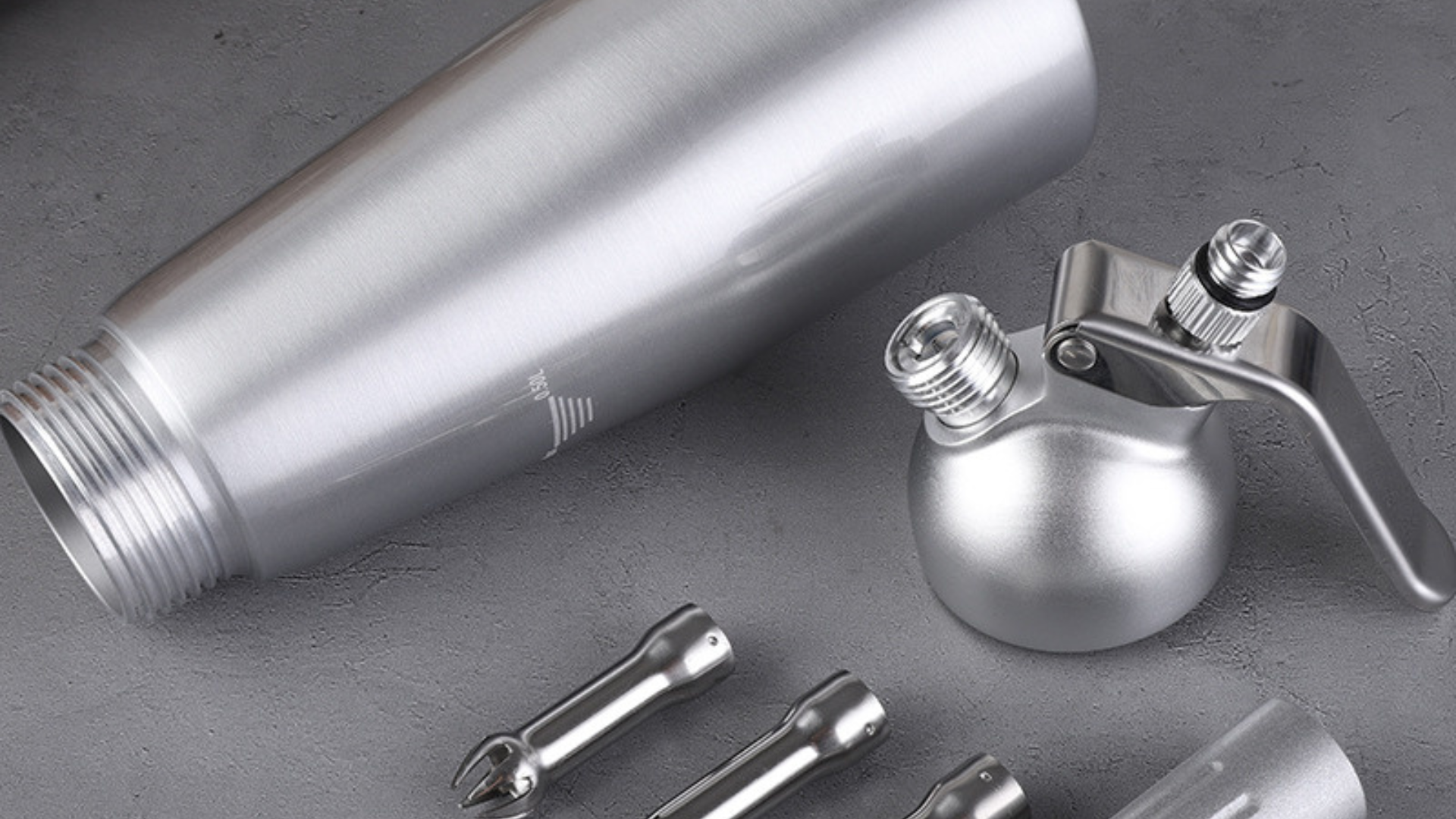
Problems with the Cream Dispenser
Not shaking enough
The gas must fully mix with the cream. If you don’t shake the dispenser properly, you’ll end up with a runny or liquid result.
How to shake correctly:
After charging, shake strongly for 10–20 seconds.
Thick cream mixtures may need a few extra shakes.
Signs you need more shaking:
Liquid comes out instead of cream.
Cream feels soft and deflated.
Loose parts causing gas leaks
A whipped cream dispenser must be fully airtight. If any connection is loose, gas will leak out instead of mixing with the cream.
Check these areas:
The top cap
The charger holder
The nozzle connection
The rubber gasket/seal (common issue if old)
Fix:
Tighten all parts before use.
If you hear a constant gas leak, stop and check the seals.
Clogged nozzle
Nozzle blockages are common, especially when using flavors like vanilla beans, chocolate, or fruit that aren’t finely filtered.
Signs of clogging:
Nothing comes out
Only gas releases
Sudden messy sprays
Fix:
Rinse the nozzle right after every use.
Soak in warm water to soften stuck residue.
Filter any mixture that contains solids.
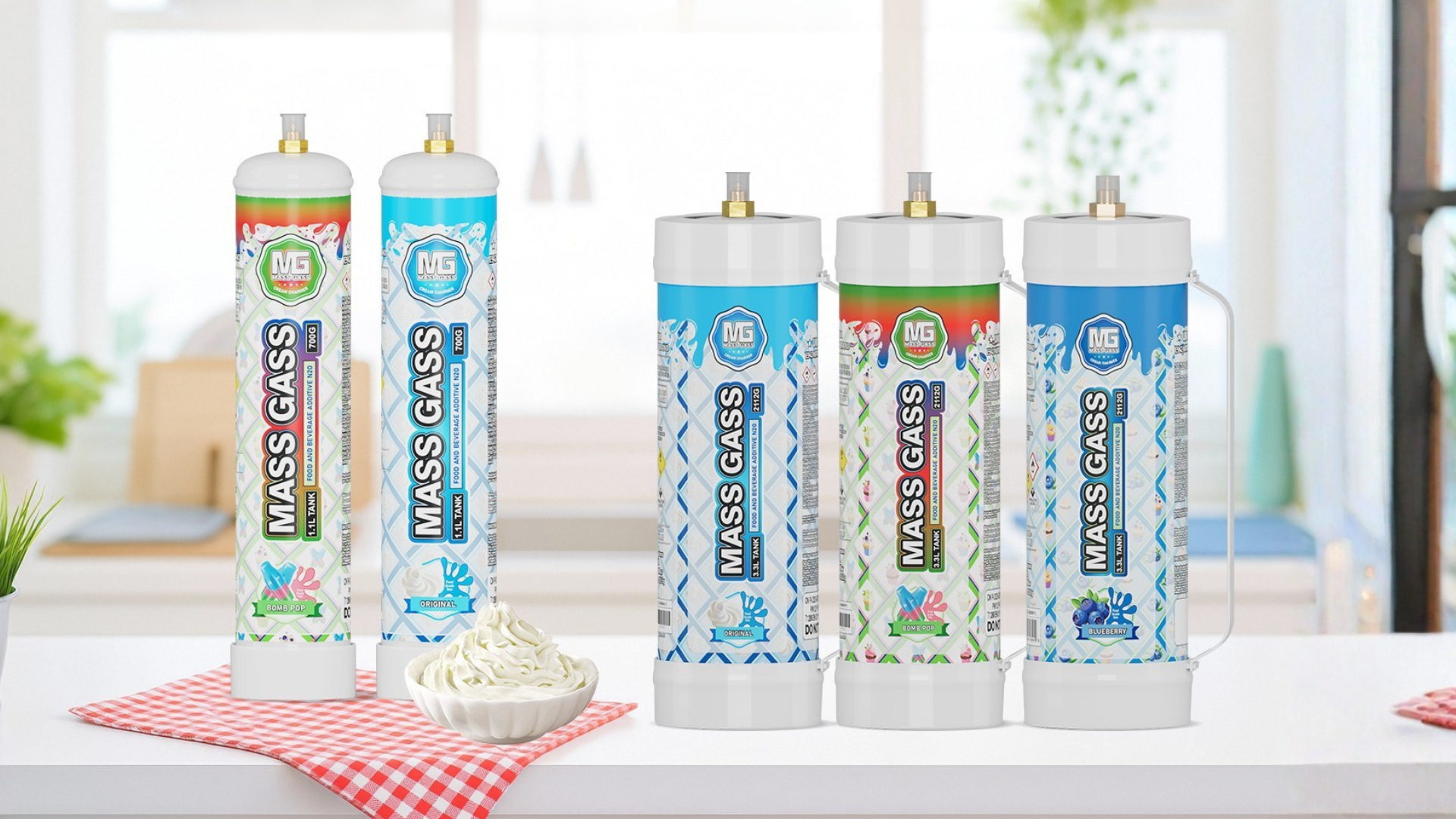
Tired of running into charging issues or going through small cream chargers too quickly, upgrading to a 3.3L nitrous tank is a game changer. A larger tank gives you consistent pressure, better whipping performance, and far more reliability compared to single-use chargers. It’s also more cost-effective in the long run and perfect for people who whip cream often—whether you're running a small cafe, hosting events, or simply love making desserts at home. With a steady gas supply and fewer chances of defects, a 3.3L tank can dramatically improve your overall experience.
If your cream charger isn’t working, don’t worry—most issues come down to small details like temperature, fat content, shaking, or sealing. Go through the points above, and you’ll usually find the problem quickly.




.png?w=800&h=800)