

Many people worry that a cream charger tank slowly loses pressure over time. In reality, a high-quality, unopened, and properly sealed cream charger tank will not experience noticeable pressure loss within its shelf life. When pressure seems lower than expected, the reason is usually related to storage conditions, usage, or product quality rather than the gas leaking on its own.
Does a Cream Charger Tank Lose Pressure Over Time?
Under normal conditions, the answer is no. A well-manufactured cream charger tank is designed to remain airtight until it is used. If the tank has not been opened and the valve remains intact, the internal pressure should stay stable throughout its intended lifespan. Any significant pressure loss typically indicates an external factor rather than natural gas loss.
How Is N2O Stored Inside the Tank?
Nitrous oxide is stored in the tank as a balance of liquid and gas under high pressure. In a 3.3L nitrous oxide tank, most of the N2O remains in liquid form, which helps maintain consistent pressure as the gas is released. As long as liquid N2O is present inside the tank, pressure regulation stays stable and reliable, ensuring smooth and predictable performance during use.
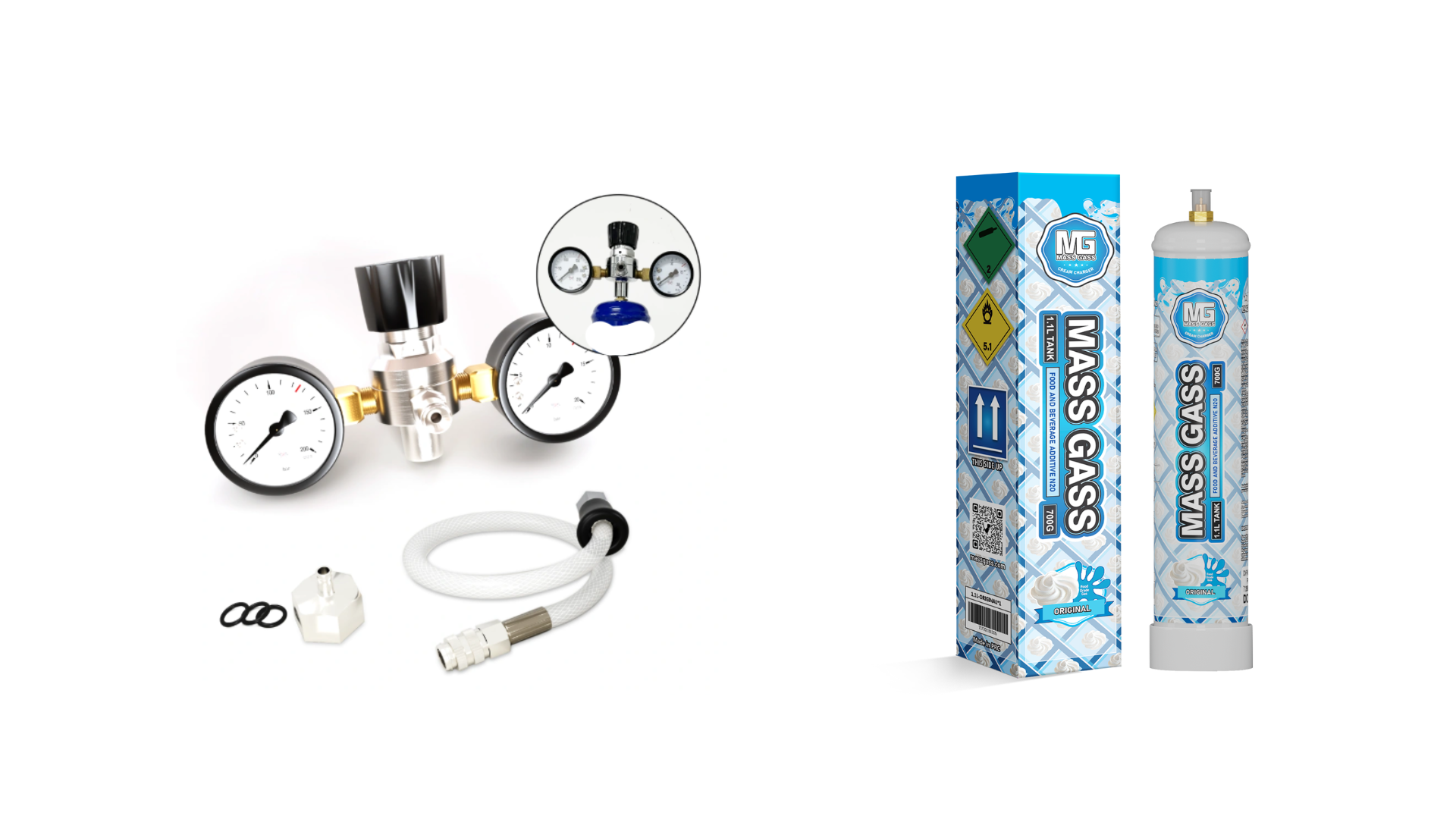
Why the Valve Seal Matters?
The valve and sealing system play a critical role in keeping the gas contained. A properly sealed valve prevents gas from escaping and protects the tank from slow leaks. When these components are well made and undamaged, they allow the tank to maintain pressure from the moment it leaves the factory until it is first used.
When Pressure May Appear Lower Without a Leak?
There are situations where pressure seems to drop even though the tank is functioning normally. Temperature changes are a common reason, as colder environments naturally reduce pressure readings without affecting the amount of gas inside. Pressure may also temporarily fall during continuous or rapid use, especially when the tank cools down. Near the end of the tank’s lifespan, pressure fluctuations become more noticeable as the remaining gas decreases.
What Actually Causes Pressure Loss?
True pressure loss is usually linked to physical or manufacturing issues. Damaged valves, worn O-rings, or poor-quality materials can allow gas to escape slowly. Tanks made with substandard welding or uncertified materials are more likely to experience this problem. Pressure loss can also occur if a tank has been dropped, incorrectly installed, or stored in excessively hot conditions for long periods.

How to Store a Cream Charger Tank Properly?
Proper storage helps maintain both safety and performance.
Cream charger tanks should be kept in a cool, dry place away from direct sunlight and high heat. Avoid storing them in hot vehicles or areas where temperatures fluctuate significantly.
Keeping the tank sealed and handling it carefully will help ensure it remains pressurized until use.

A cream charger tank does not naturally lose pressure over time when it is well made, unopened, and stored correctly. Most perceived pressure issues come from temperature changes, usage patterns, or low-quality products. Choosing certified tanks and following proper storage guidelines is the best way to ensure consistent and reliable performance.




.png?w=800&h=800)