
Cutwater's growing popularity comes down to more than convenient ready-to-drink cocktails. From a chef's perspective, what makes the brand interesting is the way it combines familiar flavors with unexpected ingredients, pays attention to changing consumer preferences, and makes bar-style drinks easier to enjoy at home. Products like Tiki Nog, which combines Bali Hai Tiki Gold Rum with cream and cinnamon, show how a simple flavor combination can create something different from a traditional cocktail. Its recent sales growth and investment in production also suggest that this approach is connecting with consumers.
1. Creative Flavor Combinations Make Familiar Drinks More Interesting
In cooking, some of the best dishes come from combining ingredients that people already know but don't necessarily expect to find together. The same idea applies to cocktails. Consumers may enjoy familiar drinks, but a creative twist can give them a reason to try something new.
The Appeal of Tiki Nog
One interesting example is Cutwater's Tiki Nog. Traditional eggnog is usually associated with milk or cream, warm spices, and a rich, comforting flavor. Cutwater takes a different approach by combining Bali Hai Tiki Gold Rum with cream and cinnamon, bringing tropical rum character into a familiar holiday-style drink.
From a culinary perspective, this combination makes sense. Cream softens the stronger character of the rum and creates a richer mouthfeel, while cinnamon adds warmth and aromatic depth. The rum brings another layer of flavor, helping balance the sweetness and creamy texture.
What I find particularly interesting is the contrast between tropical and traditional flavors. Eggnog is usually associated with cold winter evenings and holiday gatherings, while tiki drinks are more commonly connected with tropical ingredients and relaxed summer occasions. Bringing these two ideas together gives consumers something recognizable but still unexpected.

Why Cream Changes the Drinking Experience
Cream does more than make a drink taste richer. It changes the overall texture and how the flavors are experienced.
In desserts, cream helps balance sweetness, soften stronger flavors, and create a smoother finish. The same principles apply to cream-based cocktails. When combined with ingredients such as coffee, chocolate, cinnamon, or rum, cream can bring different flavor elements together.
This is also why cream-based cocktails have room for so much creativity. A familiar drink can feel completely different with the addition of a creamy element, especially when the sweetness and spice are carefully balanced.
2. Understanding What Consumers Actually Want
Convenience Without Losing the Cocktail Experience
Not everyone has the time or ingredients to prepare a cocktail from scratch. Buying several bottles, measuring ingredients, mixing everything, and getting the proportions right can take more effort than some people want to put into making a drink at home.
Ready-to-drink cocktails offer a simpler alternative. They make familiar cocktail styles more accessible without requiring consumers to learn professional bartending techniques.
However, convenience alone is not enough to build long-term interest. People still care about flavor, texture, and whether a drink feels enjoyable. A product needs to offer more than just an easy way to serve alcohol.
Cutwater's combination of recognizable cocktail styles and creative flavor variations helps address both sides of that expectation.

Listening to Customers Before Creating New Products
Another important part of the brand's approach is its connection with consumers.
Cutwater's San Diego Tasting Room & Kitchen is not just a place where visitors can try existing products. It also serves as a testing environment for new cocktail ideas. Consumers can sample potential flavors and share their opinions before products move toward wider distribution.
From a chef's perspective, this is a sensible way to develop a menu. You can create something that sounds exciting on paper, but the real test is how people respond when they actually taste it.
A flavor combination might be technically interesting but too sweet for everyday drinking. Another might seem unusual at first but quickly become a favorite. Direct feedback helps identify these differences.
Rather than relying entirely on assumptions about what customers want, brands can use real tasting experiences to guide their next steps.
3.Bringing Restaurant-Style Cream Techniques into Your Home Kitchen
One of the easiest ways to experiment with cream-based drinks at home is to pay more attention to the texture and presentation of the cream itself.
In professional kitchens, whipped cream is used for much more than decorating cakes. It can finish desserts, complement coffee, and add a light, creamy layer to specialty drinks. The same technique can also be used when preparing creative cocktail garnishes.
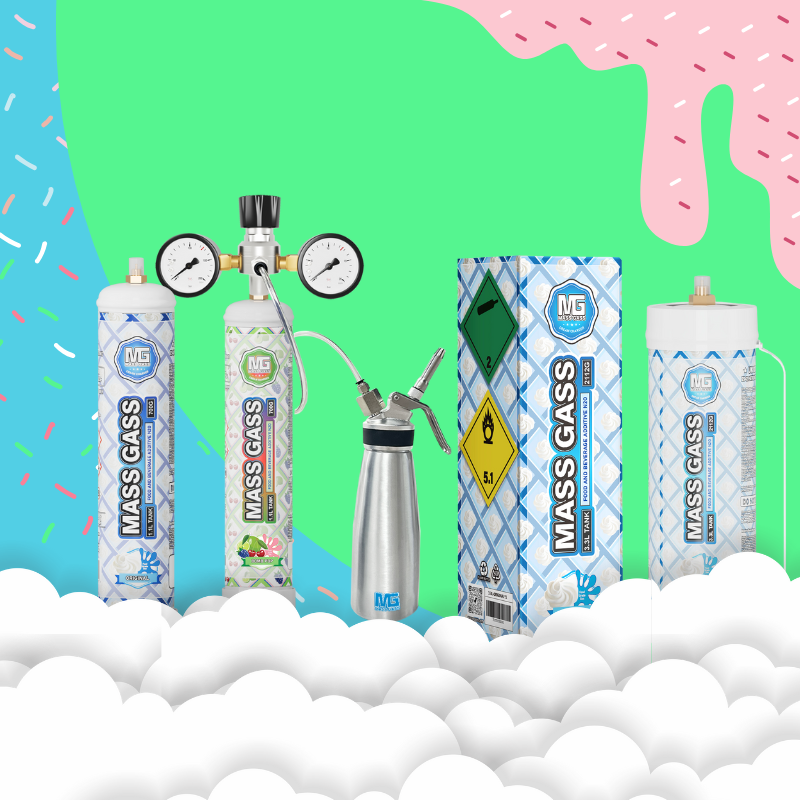
A nitrous oxide canister paired with a compatible cream dispenser is a convenient way to prepare fresh, airy whipped cream.
Instead of manually whipping cream with a hand mixer, you can combine cold heavy cream with ingredients such as vanilla, cocoa, or a little cinnamon, transfer the mixture into the dispenser, and use a food-grade N2O charger according to the manufacturer's instructions.
The result can be dispensed in a controlled way, making it easier to create consistent toppings for individual servings.
For example, a small swirl of vanilla whipped cream can complement a coffee-based cocktail, while cinnamon-flavored cream works particularly well with warm spice profiles. Chocolate whipped cream can also be used to finish dessert-inspired drinks.
The important distinction is that the n2o cream chargers are a tool for preparing the whipped cream garnish, not a substitute for the ingredients used to make the cocktail itself.

Experimenting with Different Cream Flavors
You don't need complicated recipes to create interesting cream toppings. A few simple ingredients can produce very different results.
Vanilla whipped cream is a versatile choice for coffee and chocolate drinks. Cinnamon cream works well with rum-inspired flavors and seasonal cocktails. For a richer dessert-style finish, chocolate whipped cream can add depth to drinks featuring coffee or cocoa.
When experimenting, keep the cream lightly sweetened so it doesn't overpower the drink underneath. The goal is to complement the existing flavors rather than turn every cocktail into an overly sweet dessert.
5. Investing in Production Is Also Investing in Future Innovation
As consumer demand grows, Cutwater is also investing in its production and product development. In November 2026, Anheuser-Busch announced a $1.5 million investment in Cutwater's flagship San Diego facility, aimed at expanding cream-based cocktail production and supporting new products.
Why the Investment Matters
What makes the San Diego facility particularly interesting is its role in letting consumers taste and experience products firsthand. Their feedback can help Cutwater understand which flavors work best before bringing new ideas to a wider market.
From a food development perspective, this is valuable. A successful recipe needs more than good flavor—it must also deliver consistent quality when produced on a larger scale. By connecting consumer tasting with product development and production, Cutwater can better respond to what people actually enjoy.

6. What Other Food and Beverage Brands Can Learn from Cutwater
There are a few useful lessons in Cutwater's approach, particularly for businesses developing products in competitive food and beverage markets.
Don't Be Afraid to Rework Familiar Favorites
People are often attracted to familiar flavors, but that doesn't mean they always want the exact same experience.
Combining tropical rum flavors with traditional eggnog ingredients is a good example of how a familiar concept can be given a different identity. The original idea remains recognizable, but the flavor experience becomes more interesting.
This principle works in cooking too. A classic dessert can feel new with a different sauce, a flavored cream topping, or an unexpected ingredient combination.
Convenience Should Still Come with Quality
Convenience helps people fit products into their daily routines, but it shouldn't come at the expense of taste.
Whether it's a ready-to-drink cocktail or a homemade dessert, people still notice the details. Texture, ingredient balance, aroma, and presentation all influence the overall experience.
The most successful products often find a way to make things easier without making them feel ordinary.
Let Real Customer Preferences Guide Development
Creative ideas are important, but customer feedback matters just as much.
A product developer may have a strong personal preference for a particular flavor, but that doesn't automatically mean consumers will feel the same way. Testing new ideas with real customers can help brands understand what works and what needs improvement.
This is a practical lesson for anyone working in food, cooking, or product development: good ideas start in the kitchen, but they become successful when people genuinely enjoy them.

Final Thoughts
Cutwater's growing popularity is not just about producing convenient canned cocktails. Its approach combines creative flavor development, familiar ingredients, consumer feedback, and investment in production. Tiki Nog is a good example of how a simple combination of rum, cream, and cinnamon can give a traditional holiday-style drink a different personality. From a chef's perspective, the bigger lesson is that great flavor often comes from understanding how ingredients work together. Whether you're developing a new cocktail, preparing a dessert, or experimenting with homemade whipped cream using a cream charger, creativity and attention to detail can make a familiar experience feel new again.