
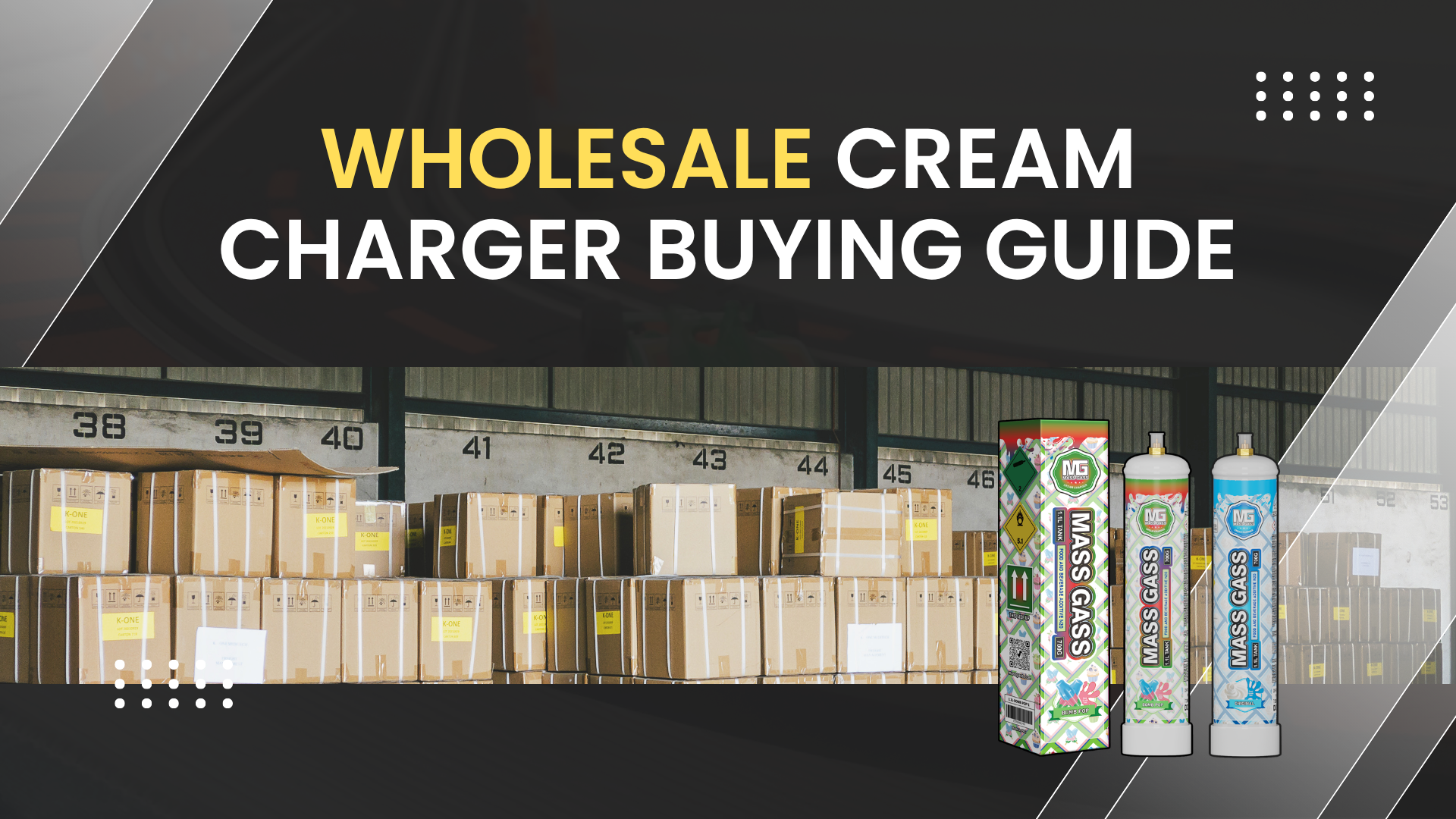
If you run a cafe, bakery, catering business, or online store, buying cream chargers in bulk can save a lot of money and ensure you always have enough stock. However, wholesale purchasing is not just about finding the lowest price. You also need to consider size, storage, supplier reliability, and local regulations. This guide will walk you through everything you need to know before buying cream chargers wholesale.
1. What are cream chargers used for ?
Cream chargers are small steel cylinders or canisters filled with nitrous oxide (N2O). They are commonly used with whipped cream dispensers to make whipped cream quickly and consistently. In commercial kitchens, they help save time and produce stable whipped cream for desserts, coffee, and drinks.
Besides whipped cream, many kitchens also use cream chargers for foams, sauces, and culinary infusions. Because of this, restaurants, bakeries, milk tea shops, and catering companies often buy cream chargers in bulk instead of small retail boxes.
If you want to start buying wholesale cream chargers, the easiest way is to begin as a retailer or distributor by reselling existing brands. This allows you to test the market, compare different cream charger brands, and understand customer feedback without large upfront costs. After you know which products sell well and how much storage and demand you have, you can then move to bulk wholesale orders or custom branding. This step-by-step wholesale strategy helps reduce risk, control costs, and make better purchasing decisions.

2. What to Consider When Buying Cream Chargers Wholesale
When buying wholesale cream chargers, you should think about more than just price. Size, customer type, storage space, and supplier quality all matter.
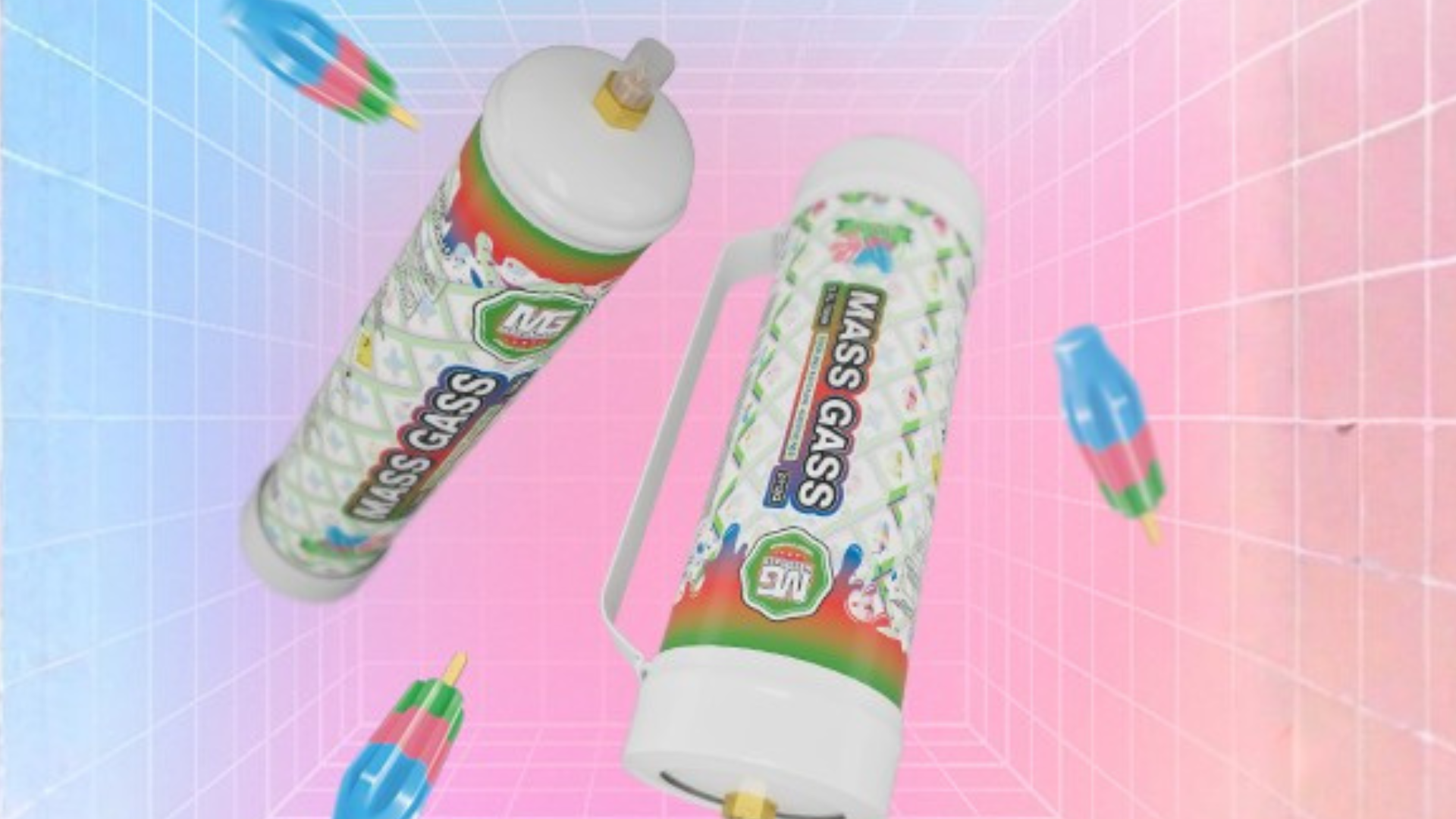
Wholesale Sizes – 8g, 1.1L, 3.3L
Different sizes are suitable for different users. Below is a simple comparison table.
|
Size |
Suitable Users |
Price |
Advantages |
Disadvantages |
|
8g(10 pcs) |
Home users, small cafes |
$19.9 |
Cheap, easy to store |
Need many cartridges |
|
1.1L |
Cafes, bakeries |
$32.99 |
Good balance of size and cost |
Requires pressure regulator |
|
3.3L |
Restaurants, catering |
$79.99 |
Fewer tank changes |
Needs storage space |
In general, small businesses usually choose 8g or 1.1L, while large kitchens and distributors prefer 3.3L tanks because they reduce replacement frequency and packaging waste.
Target Customers
Before buying wholesale, think about who you are selling to or using the chargers for. If your customers are home users, smaller packaging may be better. If your customers are cafés or restaurants, larger tanks are usually more attractive because they are more efficient.
Your customer type often determines which size and packaging you should order in bulk.
Wholesale Quantity
Wholesale usually means buying by the case, pallet, or container. The larger the quantity, the lower the unit price. However, you should not buy too much at the beginning. It is safer to test the market first, then increase your order after sales become stable.
Storage Capacity
Cream chargers must be stored in a dry, cool place away from heat and direct sunlight. Large tanks like 1.1L and 3.3L require more warehouse space, so you need to make sure you have proper storage before ordering large quantities.

Choosing a Wholesaler – OEM, ODM, OBM
When buying cream chargers wholesale, you will often see three manufacturing models: OEM, ODM, and OBM. Understanding the differences can help you choose the right supplier and business model, especially if you want to build your own brand.
Here is a simple comparison table:
|
Model |
Full Name |
What It Means |
Best For |
Advantages |
Disadvantages |
|
OEM |
Original Equipment Manufacturer |
Supplier manufactures products with your brand and packaging |
Brand owners, wholesalers |
Build your own brand, customizable packaging |
Usually higher MOQ |
|
ODM |
Original Design Manufacturer |
Supplier has existing product design, you sell under your brand |
New brands, small wholesalers |
Faster launch, some customization |
Less product differentiation |
|
OBM |
Original Brand Manufacturer |
Supplier sells products under their own brand |
Distributors, retailers |
Easy to start, low development cost |
Cannot build your own brand |
However, if you only plan to operate as a retailer, you can simply purchase ready-made products from other brands and resell them as a distributor. This approach does not require additional production or customization costs, making it one of the simplest ways to start.
At the same time, you can stock cream chargers from different brands to compare them. Based on customer feedback and sales performance, you can then adjust your wholesale purchasing plan for the next order.
Understand Local Regulations
Before importing or buying cream chargers in bulk, you must understand local laws and regulations. Some regions have age restrictions, transportation rules, or labeling requirements for nitrous oxide products.
Always make sure your supplier follows proper shipping and labeling regulations to avoid customs issues or legal problems.
3. Wholesale Purchasing Process
The wholesale purchasing process is usually simple, but planning ahead will save you time and money.
First, determine the size and quantity you need based on your business and storage space. Then contact several suppliers to request quotes and compare prices, minimum order quantity, and shipping costs. After choosing a supplier, confirm the shipping method, delivery time, and total cost including freight and taxes.
Many buyers only look at the product price, but shipping and import costs can sometimes be a large part of the total cost, especially for heavy steel cylinders.
Conclusion
Buying cream chargers wholesale is a great way to reduce costs and ensure stable supply for your business, but choosing the right size, quantity, and supplier is very important. You should consider your customers, storage space, budget, and local regulations before placing a large order.
If you plan carefully and work with a reliable supplier, wholesale cream chargers can significantly improve your business efficiency and profit margins.

.png?w=800&h=800)