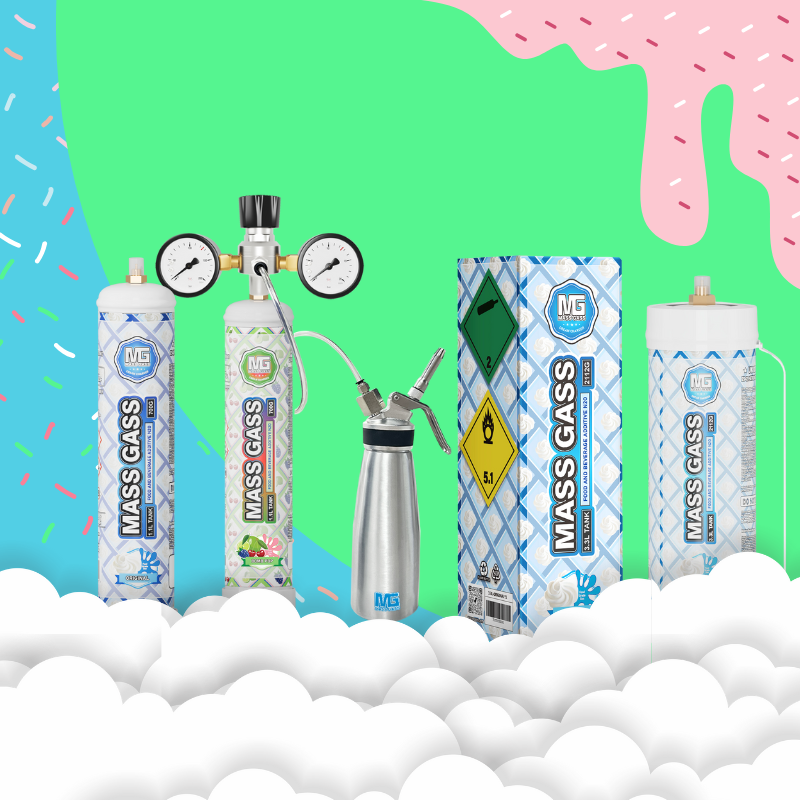
Cream chargers—steel canisters filled with food grade nitrous oxide (N2O) — are increasingly popular in bakeries, coffee shops, and home kitchens. They’re essential for whipping cream quickly and efficiently. However, due to the presence of nitrous oxide—which can be misused for recreational purposes—the sale of cream chargers is subject to growing scrutiny and legal oversight.
If you operate a physical (offline) retail store and plan to sell cream chargers, here’s what you must know and prepare to ensure compliance, safety, and consumer trust.
Ensure Have the Right Business Licenses
First and foremost, your store must hold a valid business license appropriate for selling kitchen or food-related products. Check your license to confirm that it includes terms like:
Food supplies or baking equipment
Kitchen gas cartridges or culinary tools
Some jurisdictions may also require a retail license for food-grade products, especially if the gas canister are considered part of food handling equipment.

Understand Food-Grade Product Requirements
Since cream chargers are classified as food-grade products, they may fall under local food safety regulations. You might need:
A food sales permit or sanitation certificate
Assurance that your cream chargers are certified for food use (often labeled as ‘’E942’’)
Make sure the products you stock are from reputable suppliers, with clear labeling, batch tracking, and safety documentation.

Know the Laws Around Nitrous Oxide Sales
Nitrous oxide (N2O) is generally legal for culinary use — but in many regions, it's also a controlled or restricted substance due to potential recreational misuse ("laughing gas").
Depending on your country or local government, you may need:
Registration for selling restricted gases or chemicals
A hazardous goods license
Age-restricted sales policies (e.g., 18+ only)
Examples:
UK: The Psychoactive Substances Act makes it illegal to sell N2O for recreational use.
US (varies by state): Some states like California and New York regulate the sale of nitrous oxide and restrict bulk sales or sales to minors.
Australia: Some states classify cream chargers under drug paraphernalia laws if not used for culinary purposes.
Tip: Always consult your local municipal or business authority to confirm what applies in your area.
Labeling & Safety Instructions Are a Must
All cream chargers sold in-store should include:
“Food-grade nitrous oxide (E942)” clearly printed
Manufacturer or importer contact information
Batch number and expiration date
Safe usage instructions and warning labels
If your store repackages cream chargers into smaller bundles, maintain proper labeling and consumer information.

Implement a Responsible Sales Policy
To prevent misuse and align with legal and ethical standards:
Do not sell to minors (add age checks at checkout)
Limit the quantity per customer for walk-in purchases
Train staff to recognize suspicious buying patterns
Clearly display "For Food Use Only" notices near the product
Many manufacturers and responsible retailers also require customers to sign an acknowledgment of intended use for food preparation.
Storage and Waste Disposal Considerations
While cream chargers are safe when handled properly, stores should:
Store canister in a cool, dry, secure area
Ensure the boxes are sealed and tamper-free
Display disposal instructions for empty chargers (they are typically recyclable)
Offering a charger recycling program or partnering with local recycling centers is a great way to promote sustainability.
Selling whipped cream chargers offline is a great way to meet the growing demand for gourmet whipped cream, mousses, and coffee toppings — but it comes with responsibility. Staying compliant with local laws, promoting safe use, and educating your staff and customers is the key to long-term success.
If you're a retail store owner planning to add cream chargers to your product lineup, take the time to research your local laws, choose trustworthy suppliers, and create a transparent, responsible sales process.