

Adding certain types of cheese can make whipped cream more stable, but it depends heavily on the type and amount of cheese you use. Soft cheeses such as cream cheese or mascarpone can give whipped cream a thicker structure and help it hold its shape for longer. However, the cream charger itself does not make the cheese-based cream more stable—the stability mainly comes from the cheese's fat, protein, and moisture content, while the nitrous oxide cream charger helps create the light and smooth texture.
Why Does Whipped Cream Lose Its Shape?
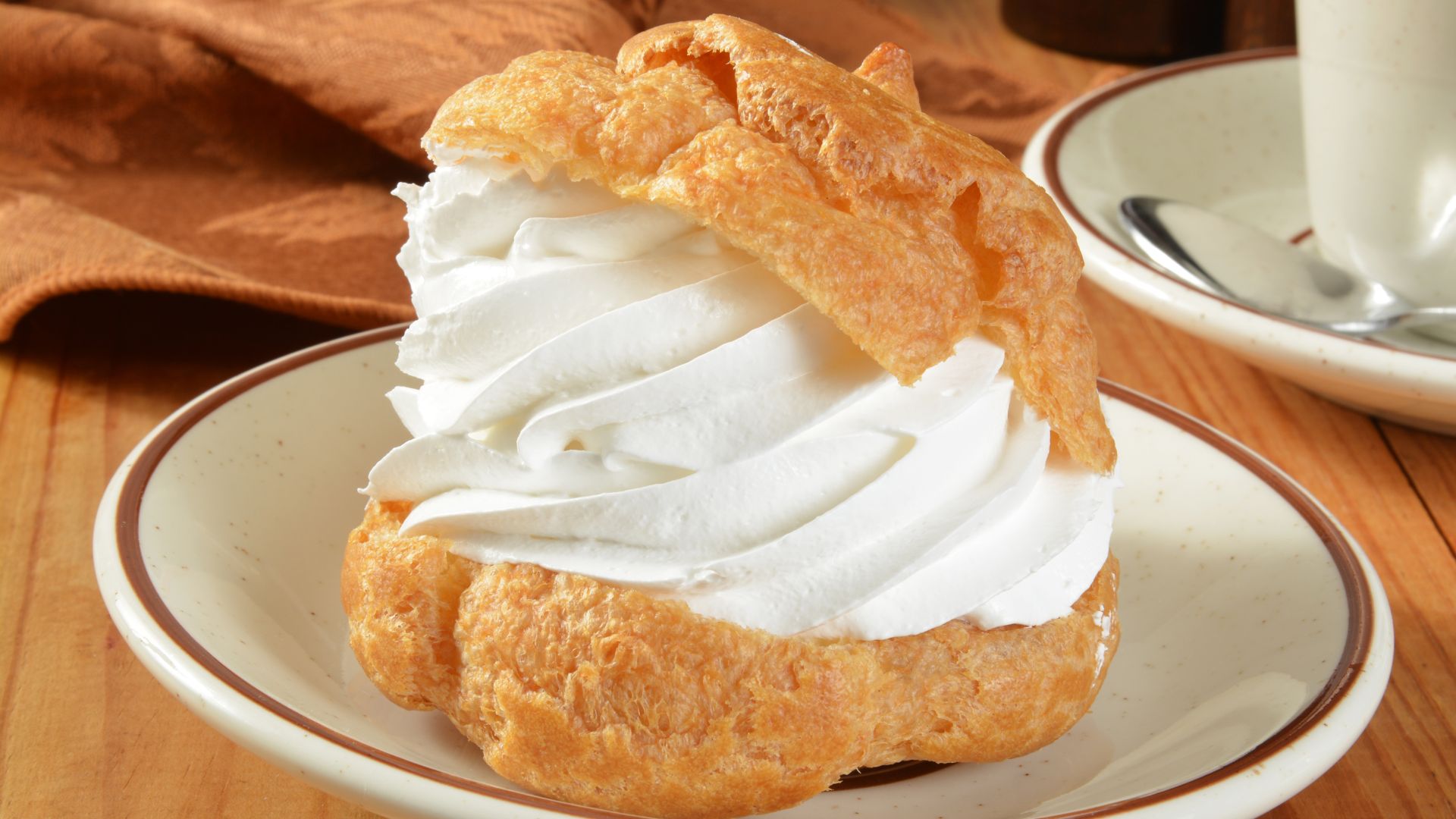
Fresh whipped cream looks great when it first comes out of the dispenser, but it does not always stay that way. After sitting for a while, the cream can become softer, release moisture, or slowly lose the clean peaks that you worked so hard to create.
In a professional kitchen, this can be a real problem. If I'm decorating cakes, preparing desserts for a party, or making drinks that need to sit for several minutes before serving, I want the cream to still look good when it reaches the customer.
The basic structure of whipped cream comes from tiny air bubbles surrounded by partially solidified milk fat. The better that structure holds together, the more stable the whipped cream will be.
This is where ingredients such as cheese can make a difference.
How Can Cheese Stabilize Whipped Cream?
Certain cheeses contain a combination of fat and milk proteins that can add more body to whipped cream.
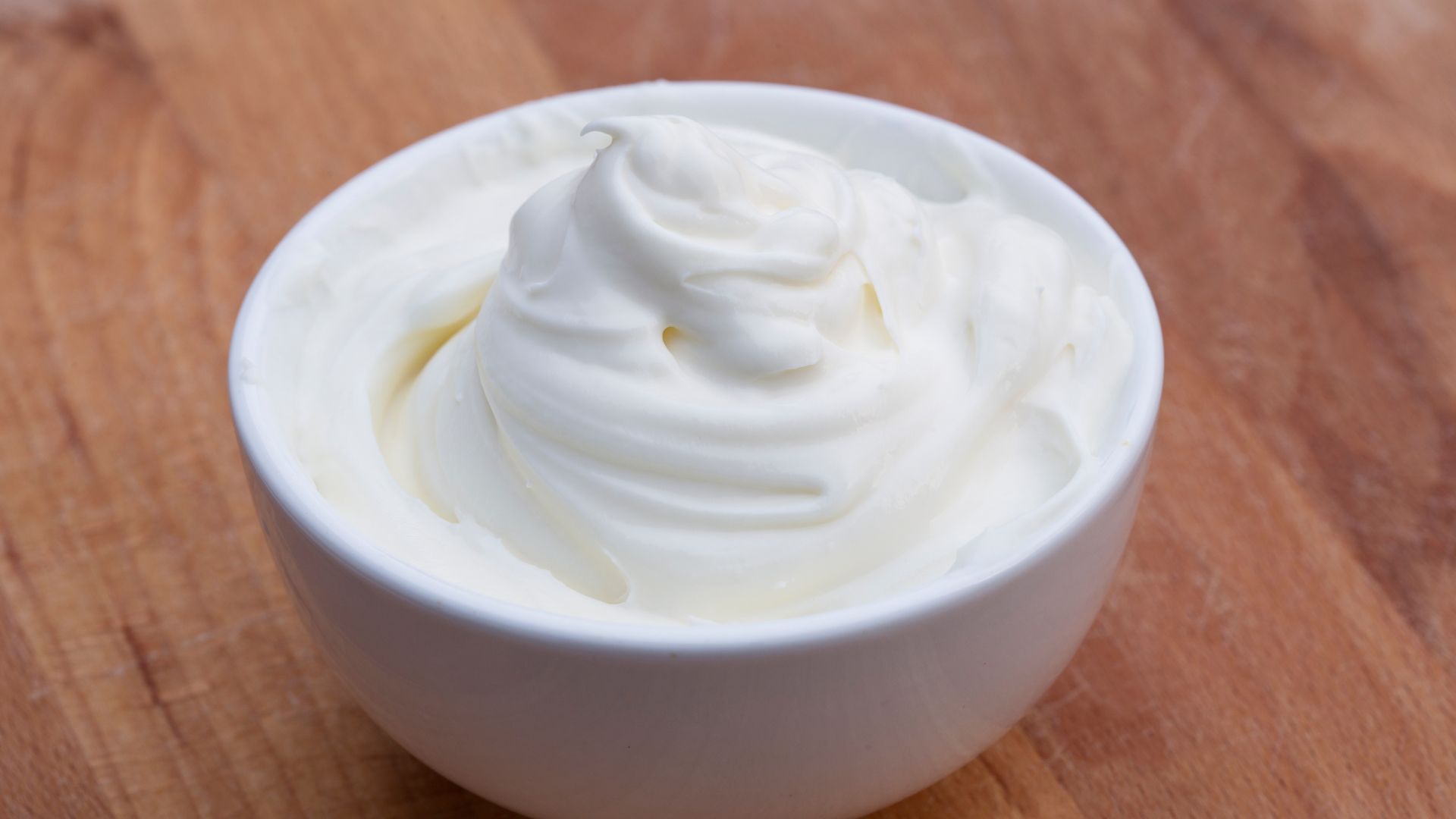
Cream cheese is a good example. It is relatively thick and contains both fat and protein, so mixing a small amount into whipped cream can make the finished mixture noticeably firmer. Mascarpone works in a similar way, although it usually gives a smoother and richer result.
The cheese basically gives the cream a little more structure. Instead of having a very light mixture that depends almost entirely on whipped air and milk fat, you have a thicker base that is better able to support those air bubbles.
That doesn't mean adding more cheese will always make the cream better. Too much can make the mixture heavy, dense, or difficult to dispense.
What Happens When You Use a Cream Charger?
A whipped cream canister containing food-grade nitrous oxide (N₂O) is designed to aerate the cream inside a compatible whipped cream dispenser.
When the charger is released into the dispenser, the gas dissolves into the cream. Shaking the dispenser then helps distribute the gas throughout the mixture. When the cream is dispensed, the pressure drops and the dissolved gas expands, creating the familiar whipped texture.
If you add cream cheese or mascarpone before charging, the charger still performs the same basic job. It creates the airiness, while the cheese contributes additional body and structure.
I think of it this way: the cream charger creates the texture, while the cheese can help support that texture.
Cream Cheese vs. Mascarpone
Not every cheese behaves the same way in whipped cream.
Cream Cheese
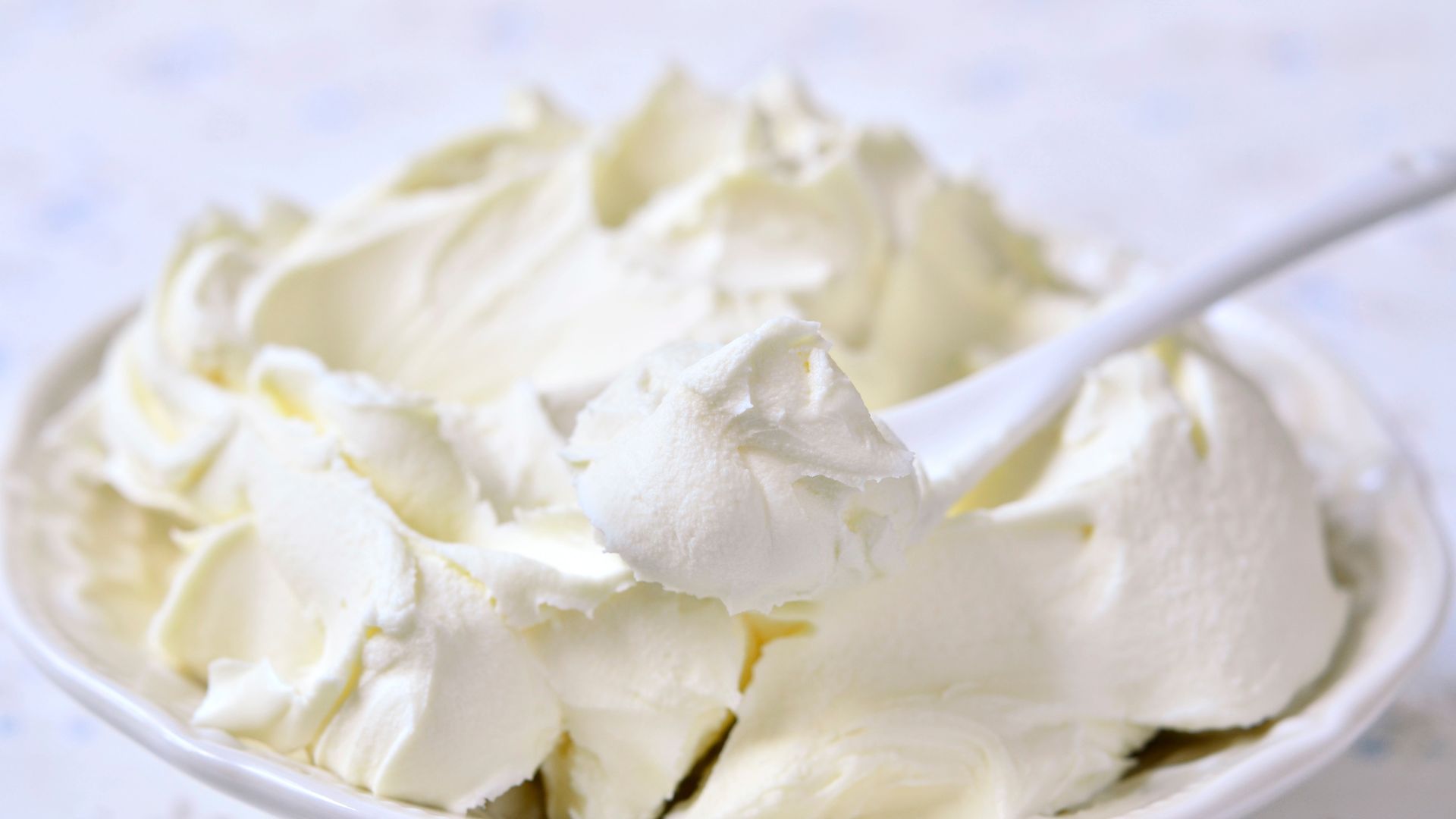
Cream cheese gives whipped cream a thicker, slightly tangy character. It works particularly well for cake toppings, cupcakes, cheesecake desserts, and fruit desserts.
From my experience, cream cheese is useful when I want something that holds its shape but still feels like whipped cream rather than frosting.
The key is not to go overboard. A small amount can improve body, while too much can make the mixture too thick for a dispenser.
Mascarpone
Mascarpone is one of my favorite choices when I want a richer and smoother result.
It has a high fat content and a mild flavor, so it blends naturally with cream. The finished product tends to feel luxurious without the stronger tang that cream cheese can bring.
Mascarpone whipped cream is especially good with berries, coffee desserts, chocolate, and tiramisu-style desserts.
Does Cheese Always Make Whipped Cream More Stable?
Not necessarily.
The result depends on the cheese, the recipe, and how the ingredients are prepared.
A cheese with a lot of moisture may not provide the same structure as a richer, thicker cheese. Strongly flavored or aged cheeses can also change the taste dramatically, so they are usually not the first choice for sweet whipped cream.
Temperature is another important factor. Cold cream generally whips better because the milk fat can form a stronger structure around the air bubbles.
I normally keep the cream, dispenser, and other ingredients properly chilled before starting. This simple step can make a bigger difference than adding another stabilizer.
How Much Cheese Should You Add?
There isn't one universal ratio because recipes vary, but I recommend starting conservatively.
For a cream charger recipe, adding a relatively small amount of cream cheese or mascarpone to the cream is usually a better approach than trying to turn the mixture into a cheese frosting.
If the mixture becomes too thick, the dispenser may have difficulty producing a smooth stream. You may also end up with a texture that feels heavy instead of light and creamy.
When testing a new recipe, I prefer to make a small batch first. If the cream holds its shape well and still comes out smoothly from the dispenser, then I know the ratio is working.
Cheese Is Not a Substitute for Proper Technique
One thing I would emphasize is that cheese cannot fix every whipped cream problem.
If the cream is too warm, the mixture is poorly balanced, the dispenser is overloaded, or the wrong charging procedure is used, adding cheese will not magically solve the problem.
Good results start with a properly chilled mixture and a suitable dispenser. The ingredients should also be mixed thoroughly before charging so that the final texture is consistent.
And always follow the manufacturer's instructions for the specific cream dispenser and charger you are using.

When I Would Add Cheese?
For everyday whipped cream that is going straight onto coffee or a dessert, I often prefer keeping the recipe simple.
But when I need the cream to hold its shape for cake decoration, layered desserts, fruit cups, or a dessert table, mascarpone or cream cheese can be worth considering.
Mascarpone is my choice when I want a smooth, rich and relatively neutral flavor. Cream cheese is better when I want a little tang and a flavor that stands out.
For a light, delicate whipped cream, however, I wouldn't automatically add cheese just for stability.
Final Thoughts
So, does cheese make whipped cream more stable? Yes, certain cheeses can improve stability, but they are only part of the equation. Cream cheese and mascarpone can add fat, protein, and body, helping whipped cream maintain its shape longer. When used with a cream charger, the N₂O provides the aerated texture while the cheese helps give that texture more support.
In my kitchen, I see cheese as a useful tool rather than a magic stabilizer. When the recipe is balanced and everything is properly chilled, a little mascarpone or cream cheese can turn ordinary whipped cream into something noticeably more stable, richer, and easier to work with.




.png?w=800&h=800)