

Making tea more enjoyable doesn't have to involve fancy equipment or complicated recipes. In my experience, the biggest difference comes from getting the temperature right, finding flavors you genuinely enjoy, and experimenting with simple toppings. A squeeze of lemon can brighten an ordinary iced tea, while a little whipped cream can turn homemade matcha into something that feels like a café treat. Once you understand a few basics, it's easy to make tea on your own.
1. How Your Tea Habits May Affect Your Health?
Tea has been part of everyday routines for generations, and it's easy to see why. It's comforting, comes in countless varieties, and can be enjoyed hot or cold. But there's more to a good cup of tea than choosing your favorite flavor. How often you drink it, how you brew it, and how hot it is when you take that first sip can all be worth considering.
A recent study reported by CNN explored the relationship between tea-drinking habits and cardiovascular health, looking at factors such as drinking frequency, tea type, brewing strength, and temperature. The findings add to the ongoing discussion about tea and health, although an observational study cannot prove that drinking tea directly prevents heart disease.
2. Get the Temperature Right
Let Hot Tea Cool Before Drinking
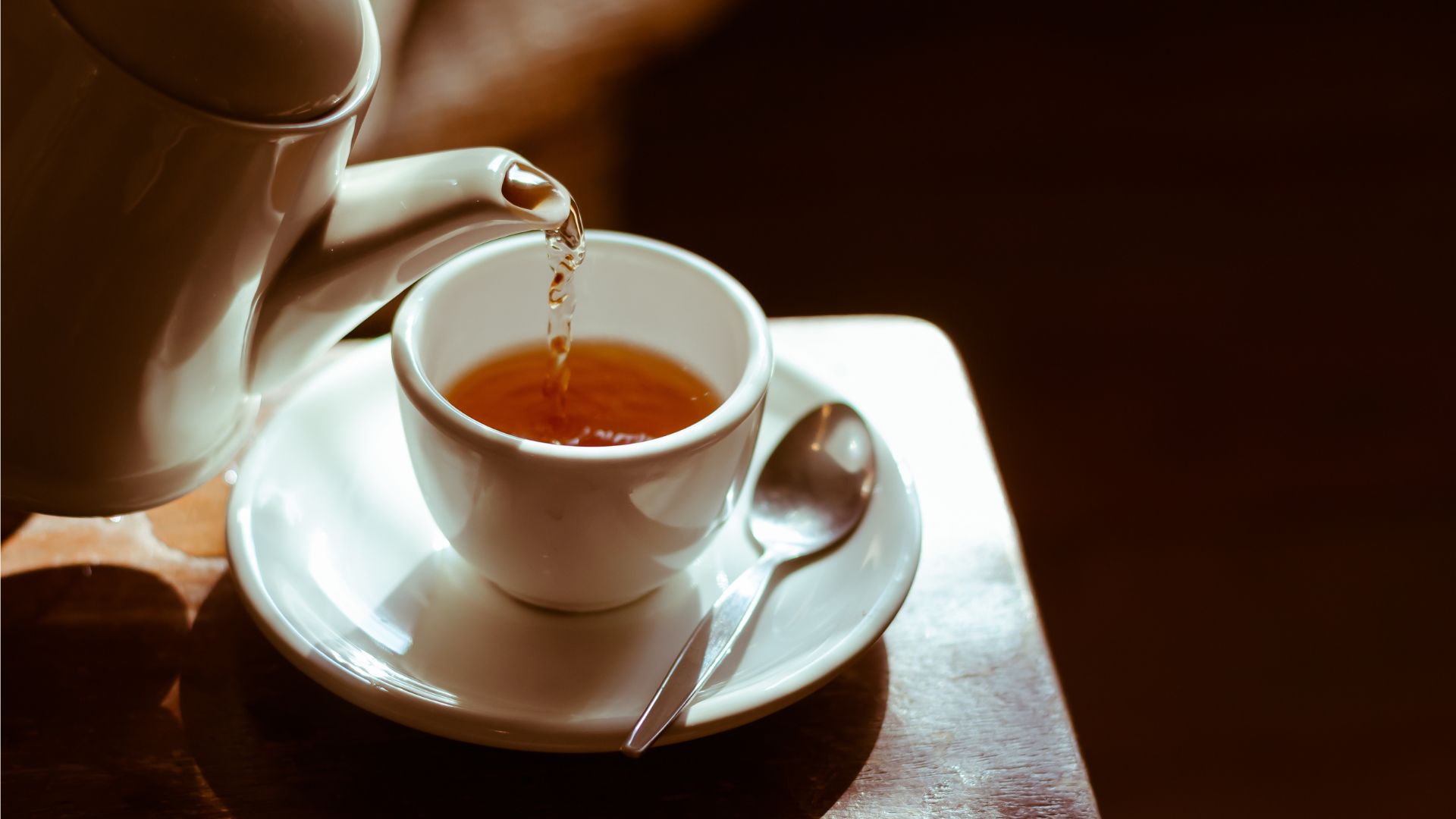
We've all probably been impatient enough to take a sip of freshly brewed tea and immediately regret it. Tea straight from the kettle can be uncomfortably hot, so give it a few minutes before drinking. Besides being more comfortable, a slightly cooler cup can make it easier to notice the tea's aroma and flavor.
There's no single perfect drinking temperature for everyone. The important thing is to avoid drinking tea while it's scalding hot and wait until it feels comfortable to sip.
Match the Water Temperature to the Tea
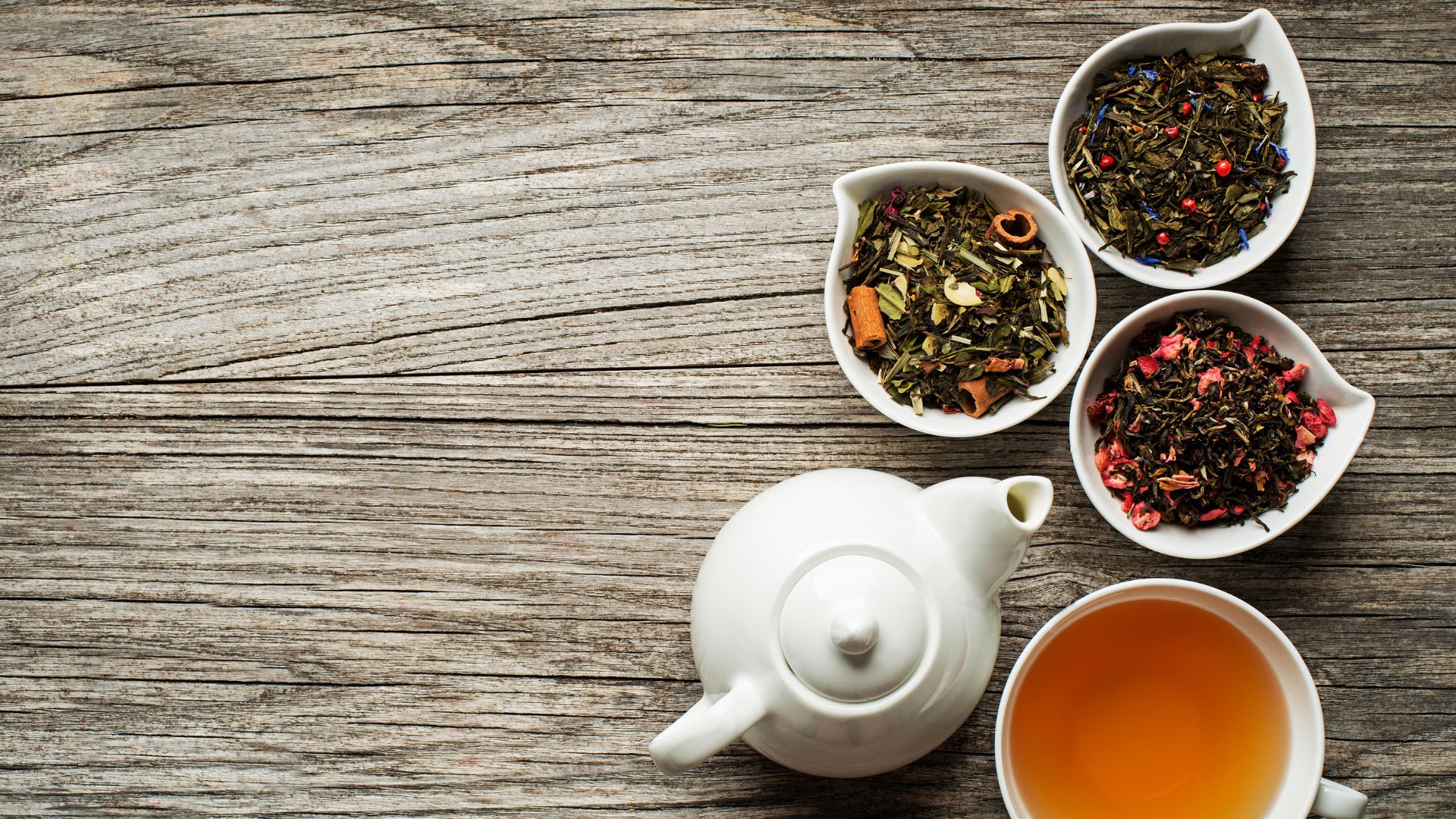
Different teas respond differently to heat. Green tea often tastes smoother when brewed with cooler water, while black tea generally handles hotter water well. Using water that's too hot for a delicate green tea can bring out bitterness, while water that's too cool may leave a black tea tasting weak.
If your tea regularly tastes harsh or flat, try changing the water temperature before adding more sugar or other flavorings. Following the brewing recommendations on the package is a good starting point, and you can adjust from there to suit your taste.
Don't Leave the Tea Steeping Too Long
Brewing time matters just as much as water temperature. Leaving tea leaves in hot water for too long can create a bitter, astringent taste that no amount of lemon or milk will completely fix.
Start with the recommended steeping time and taste the tea before deciding whether it needs longer. Once you find the balance you like, making a consistently good cup becomes much easier.
Make Better Iced Tea
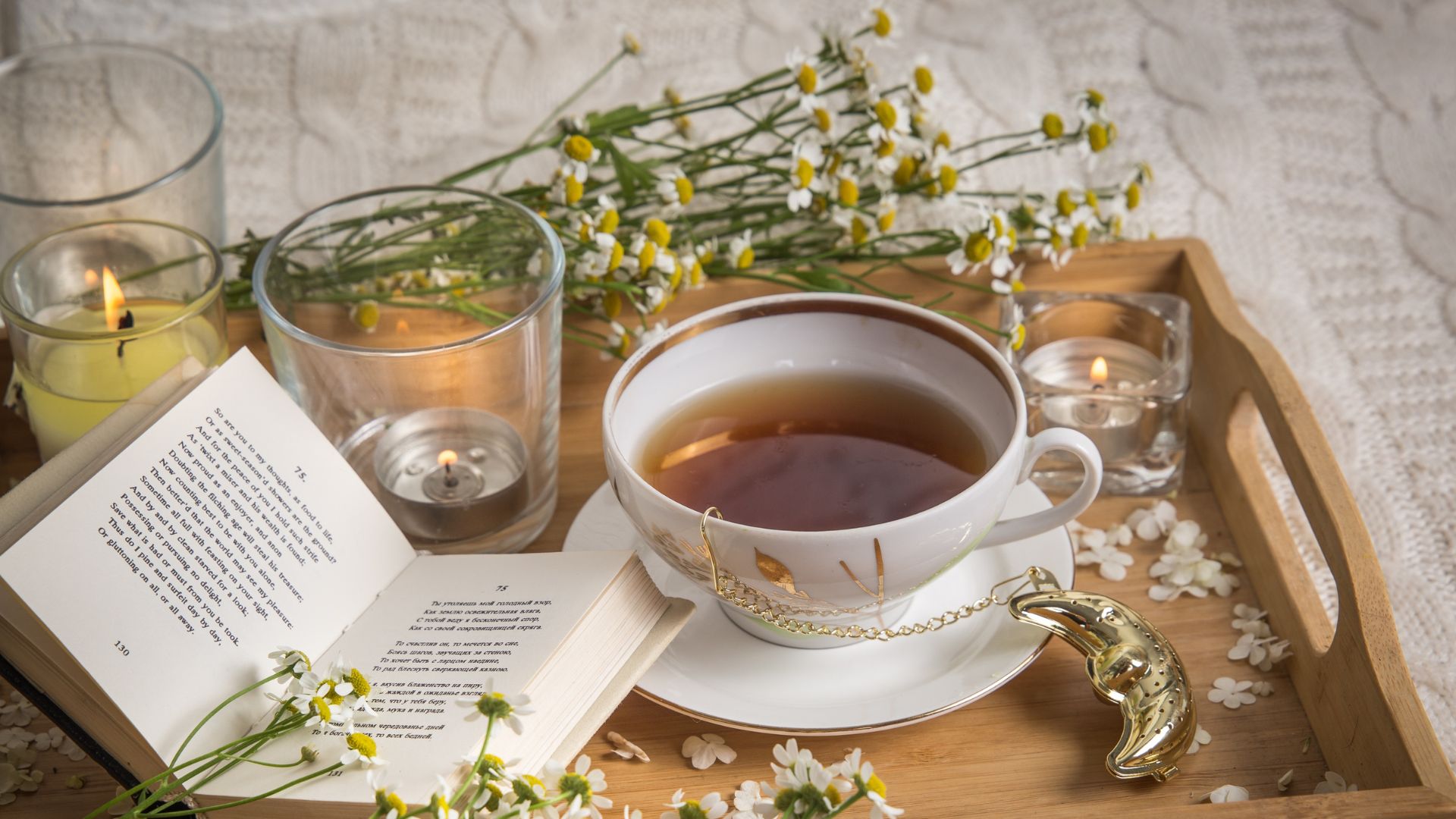
Iced tea is especially satisfying on a warm afternoon, but it can easily end up watery. One simple trick is to brew the tea a little stronger than you normally would, since melting ice will dilute it. Let the tea cool before serving it over ice, then add lemon, mint, or another ingredient if you like.
You can also prepare a batch ahead of time and keep it refrigerated, making it easy to pour a refreshing drink whenever you want one.
3. Explore Different Flavors
One of the best things about making tea at home is how easy it is to change the flavor without buying a whole collection of syrups. A few familiar ingredients can create completely different drinks, and you can adjust everything to your liking.
Lemon and Black Tea
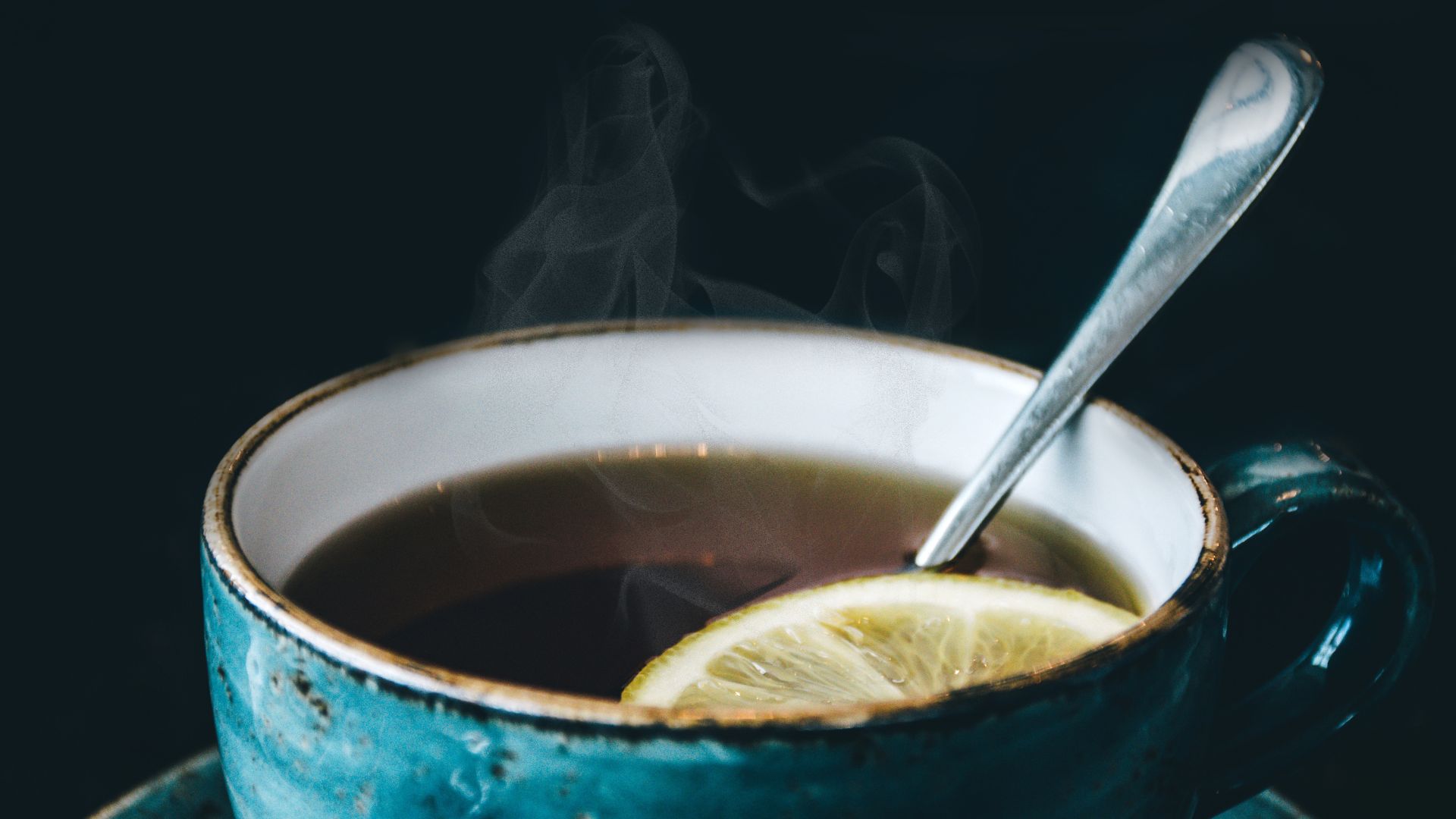
Lemon is a classic addition for a reason. Its bright, citrusy flavor balances the stronger taste of black tea, especially when served cold. Add a fresh squeeze rather than relying on bottled lemon juice, and start with a small amount so the citrus doesn't overpower the tea.
If you prefer your tea sweetened, add a little sugar or honey while the tea is still warm so it dissolves more easily. For a lighter, more refreshing version, skip the sweetener and let the lemon do the work.
Mint and Green Tea
Fresh mint can make green tea taste cleaner and more refreshing. Add a few leaves to chilled green tea, or gently press them to release their aroma before adding ice. There's no need to crush them completely; too much handling can make the leaves look bruised and the flavor overly strong.
This combination works well when you want something refreshing without the richness of milk or cream.
Milk and Black Tea
If plain black tea tastes a little too strong, try adding a splash of milk. It softens the tea's sharper notes and gives the drink a smoother mouthfeel. You can use dairy milk or a suitable plant-based alternative, depending on your preference.
The order and proportions aren't something to stress over. Start with a small splash, taste it, and add more until the balance feels right. If you enjoy milk tea from a café, experimenting at home is a simple way to find your own favorite version.
Honey, Ginger, and Vanilla
Honey and ginger are a good match when you want a warm, slightly spicy flavor. A little fresh ginger adds character, while honey provides sweetness. Add both gradually, since ginger can become quite strong and honey can quickly dominate a delicate tea.
Vanilla works especially well with matcha and milk-based tea drinks. A small amount can round out matcha's earthy flavor and make a homemade latte feel a little more special. Start with just a touch; the goal is to complement the tea rather than make it taste like vanilla syrup.
4. Create Café-Style Tea Drinks at Home
Once you've found a tea and flavor combination you like, try changing the way you serve it. A familiar drink can feel completely different with ice, milk foam, or a whipped cream topping. You don't need to recreate an elaborate café menu. Start with one simple recipe and build from there.
Milk Tea with a Creamy Finish
A basic milk tea is easy to make with brewed black tea, milk, and your preferred sweetener. The key is to let the tea flavor come through instead of making the drink so sweet that it tastes mostly like syrup.
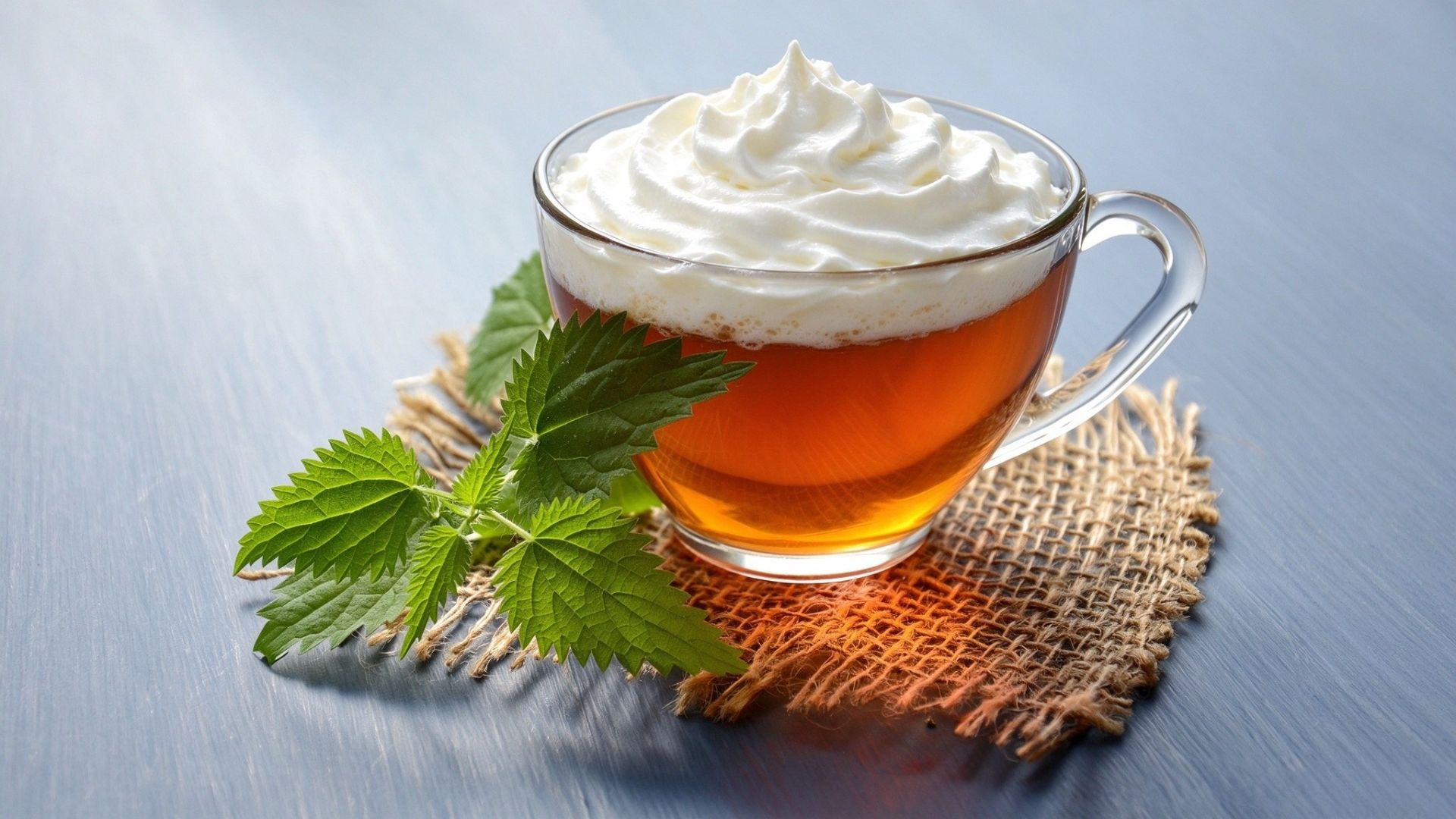
For a café-style finish, add a little whipped cream on top. The contrast between the tea underneath and the soft, creamy topping makes the drink feel more like a dessert. Since cream adds richness, a modest amount is often enough.
Use a whipped cream charger tank for Homemade Whipped Cream
If you regularly make whipped cream for drinks or desserts, a cream charger paired with a compatible whipped cream dispenser can be a convenient tool to have in the kitchen. Rather than whipping a small amount by hand each time, you can use the dispenser to create a light, smooth topping for iced matcha, milk tea, and other homemade beverages.
It also gives you room to experiment with flavors. A little vanilla or a small amount of sweetener can complement the cream, while a simple, unsweetened topping lets the tea remain the main attraction. Follow the dispenser manufacturer's instructions when choosing ingredients and preparing the cream.
When selecting a cream charger tank, check that it's specifically intended for culinary use and compatible with your dispenser. Follow the manufacturer's directions for handling, storage, and safe operation.
A cream charger isn't something you need just to enjoy tea, of course. But if whipped cream has become one of your favorite finishing touches, it can make preparing café-style drinks at home more convenient.
Read More:How to use a cream charger?
Final Thoughts
Making tea more enjoyable is mostly about finding what works for you. Start with the basics: use an appropriate brewing temperature, avoid steeping the leaves for too long, and let hot tea cool until it's comfortable to drink. From there, try a few simple flavor combinations until you find the ones you want to make again.
When you feel like trying something different, turn your usual tea into an iced latte or add a light whipped cream topping. You don't need a complicated recipe or professional equipment to make a drink feel special. And if you often prepare whipped cream at home, a compatible cream charger and dispenser can be a useful addition to your kitchen.
Sometimes, a better cup of tea comes down to just one small change.