

When we think of whipped cream today, we picture that soft, cloud-like topping floating over desserts, coffee, or even cocktails. But few people know that the story of whipped cream stretches back over four centuries, to the lavish kitchens of 17th-century Europe, where it was known as a culinary luxury — and a true test of patience.
From “Milk Snow” to “Crème Fouettée”
The earliest versions of whipped cream appeared in France and Italy during the early 1600s.
French cooks called it crème fouettée — literally, “whipped cream.”
In Italy, it was poetically named neve di latte, meaning “milk snow.”
The source is Scappi, Bartolomeo. Opera dell’arte del cucinare. Venice, 1570.
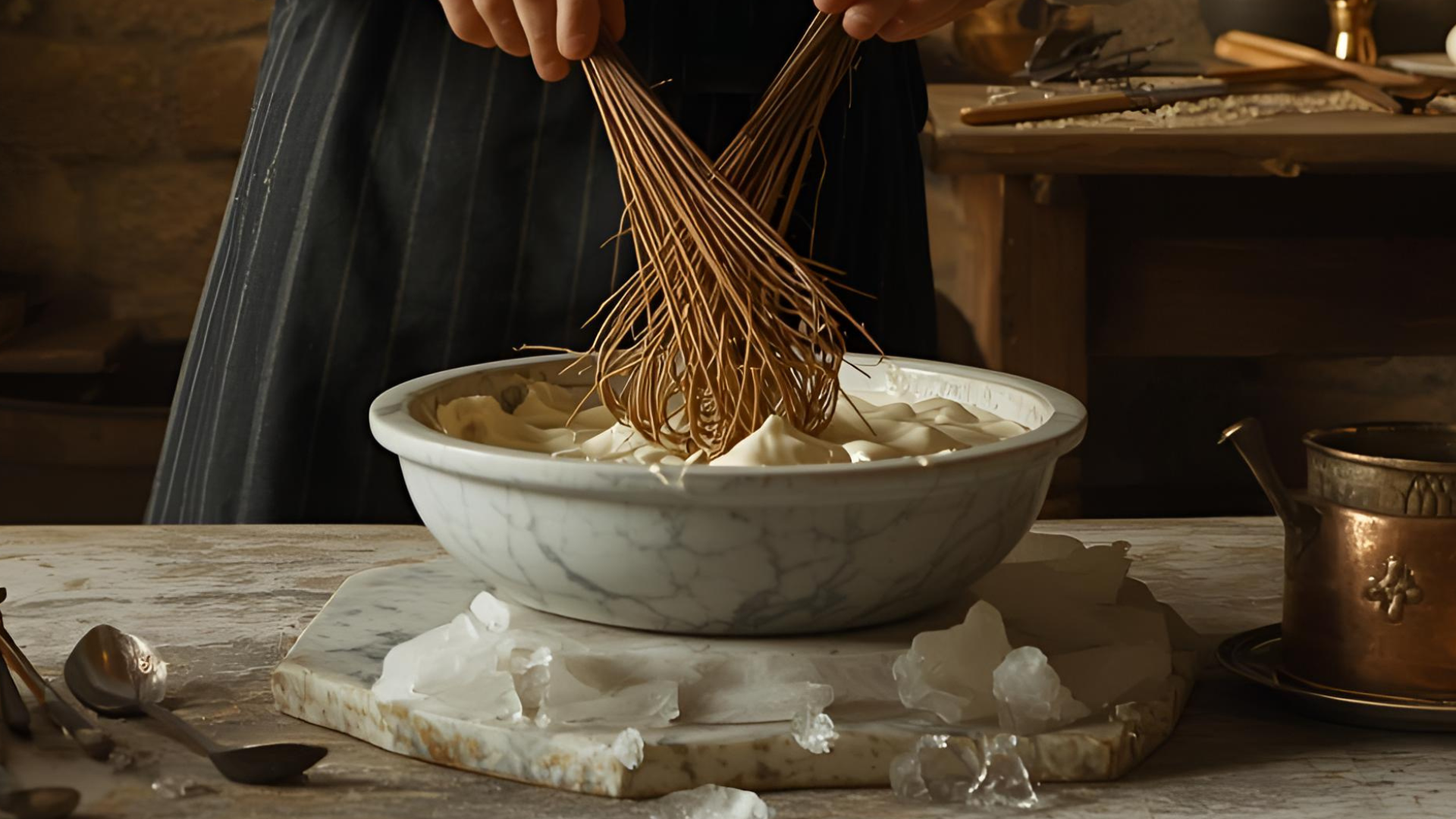
At that time, there were no electric mixers or gas chargers. Everything was done by hand, using bundles of thin twigs or wooden rods to beat thick cream for 20 to 30 minutes. The cream had to be kept cold, often in ice cellars or marble bowls, to ensure it would hold its shape. Only the wealthy could afford such indulgence, as milk, ice, and time were all precious commodities.
A Dessert Fit for Royalty
Whipped cream soon became a staple of noble feasts. French chefs, including the famous François Vatel at the court of Louis XIV, used it to decorate pastries, puddings, and fresh fruit.
Across the Channel, English aristocrats were enjoying something similar. In 1672, cookbook author Hannah Woolley described a dish called “Snow Cream” in The Queen-like Closet:“Take thick cream and whip it until it is as light as snow.”
This “milk snow” became a symbol of sophistication and elegance — the finishing touch to any royal banquet. Whipped cream wasn’t just food; it was status, style, and spectacle.

The Art (and Struggle) of Hand-Whipping
Without machines, whipping cream required not just strength but skill.
Cooks experimented with copper or silver bowls to keep the cream colder, and some designed early perforated whisks to trap more air.
But still, success wasn’t guaranteed. Too warm, and the cream turned to butter. Too thin, and it refused to rise. Every perfect bowl of whipped cream was a small miracle — an edible work of art.
The Birth of Modern Whipped Cream
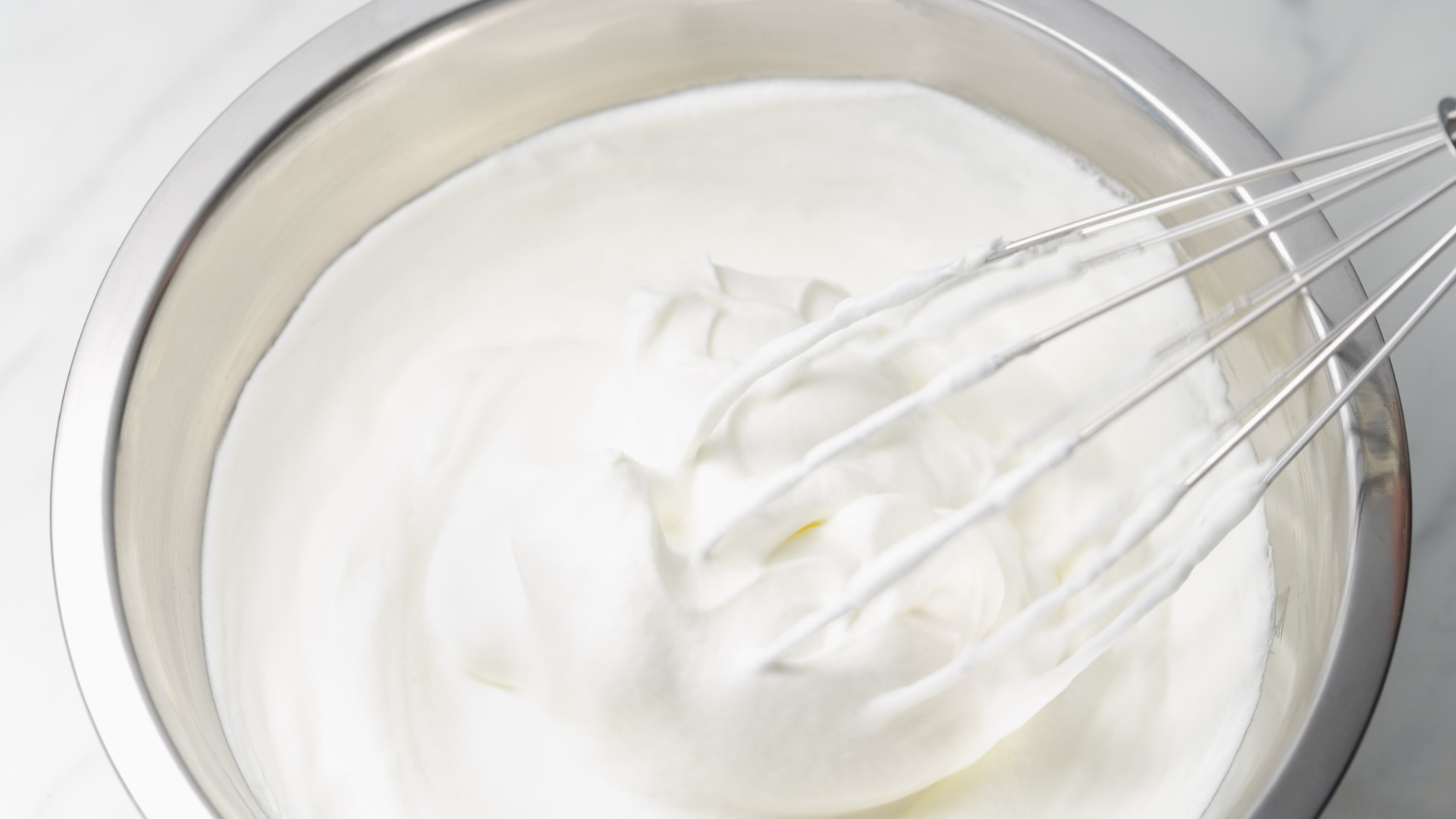
By the 19th century, hand-whipping gave way to mechanical mixers, and in the early 20th century, scientists discovered that nitrous oxide could be used to create the same fluffy texture instantly.
This breakthrough transformed whipped cream from a royal delicacy into an everyday delight — smooth, stable, and ready in seconds.
What Is a Cream Charger?
Imagine pouring cold cream into a metal canister, pressing a small lever, and watching it transform into a soft, velvety cloud in seconds — that’s the magic of a cream charger.
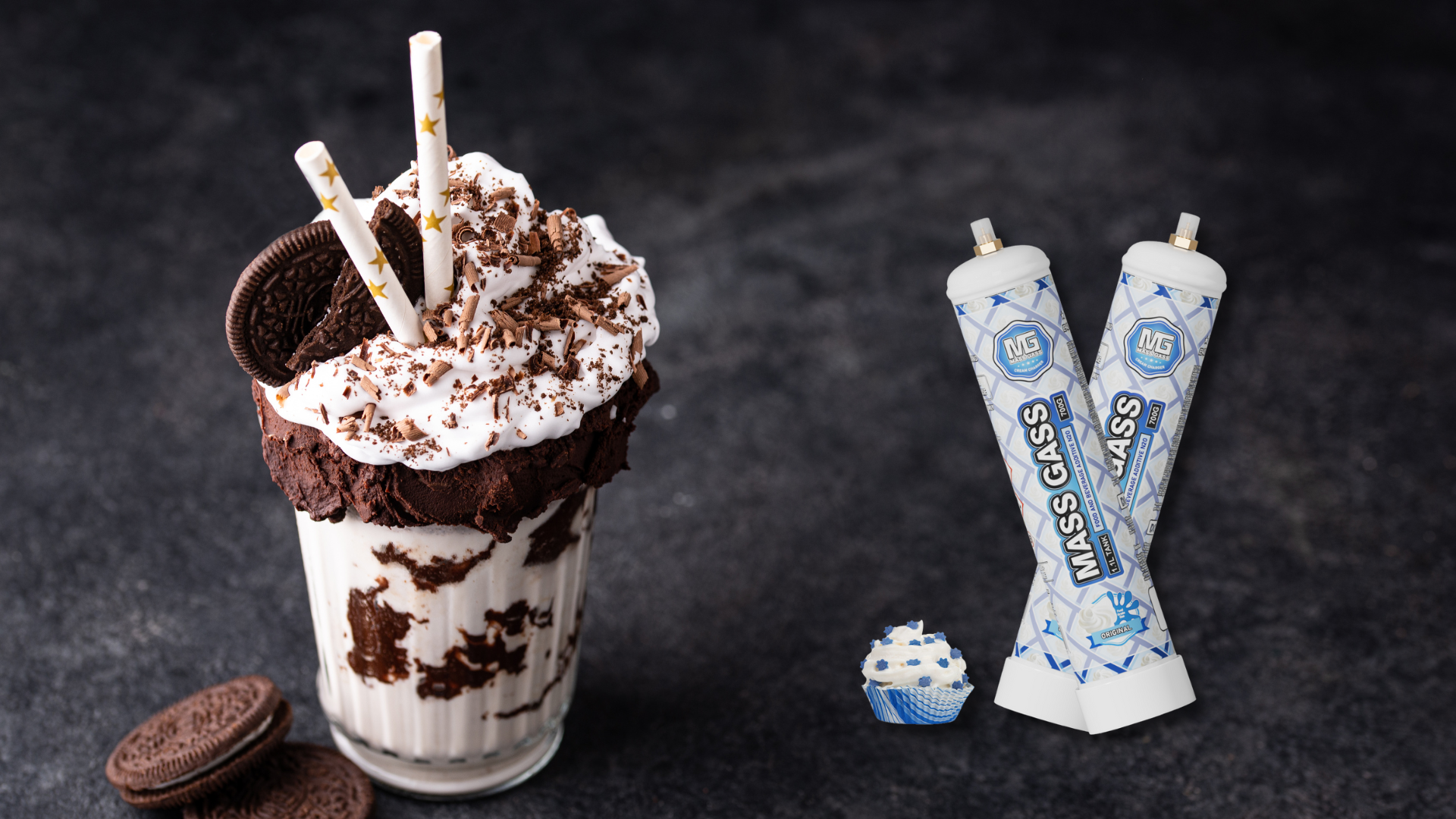
A cream charger is a steel canister filled with food-grade nitrous oxide gas. When it’s connected to a cream whipper, the gas dissolves into the liquid cream under pressure, creating thousands of micro-bubbles that make the texture light, smooth, and stable.
This tiny device replaced the hours of hand-whipping once needed to make perfect cream. Today, it’s used everywhere — from coffee shops and cocktail bars to home kitchens — to create whipped cream, foams, mousses, and even infused drinks.
Simple in design but brilliant in function, the cream charger is the little piece of technology that turned an old culinary challenge into an everyday pleasure.

From Milk Snow to Modern Magic: The Cream Charger
Today, with a nitrous oxide tank or a cream whipper, anyone can recreate what 17th-century chefs once spent hours perfecting.
Inside these sleek modern tools, N2O gas instantly infuses into the cream, creating thousands of tiny bubbles that make the texture light, silky, and irresistibly smooth.
It’s amazing to think that the same sweet “milk snow” once whipped in candlelit royal kitchens now sits effortlessly atop your coffee, dessert, or cocktail — all thanks to a small, powerful piece of modern culinary science: the cream charger.
FAQS
Can I make more than whipped cream with it?
Absolutely! Whipped cream charger are great for mousses, foams, infused cocktails, or even quick flavor extractions. Chefs and baristas use them to add creative textures and flavors to both sweet and savory dishes.
How long does whipped cream last once made?
Whipped cream made with a charger can stay fresh in the refrigerator for up to 10 days, as long as the dispenser remains sealed and chilled.
Is it safe to use a cream charger?
Yes — as long as you use food-grade N2O chargers and follow the instructions of your dispenser. Never inhale or misuse the gas, and always store chargers in a cool, dry place away from heat.
Can I use any type of cream?
For the best results, use heavy cream with at least 30–36% fat. Low-fat or dairy-free alternatives can work too, but they may produce a softer texture or require stabilizers.




.png?w=800&h=800)